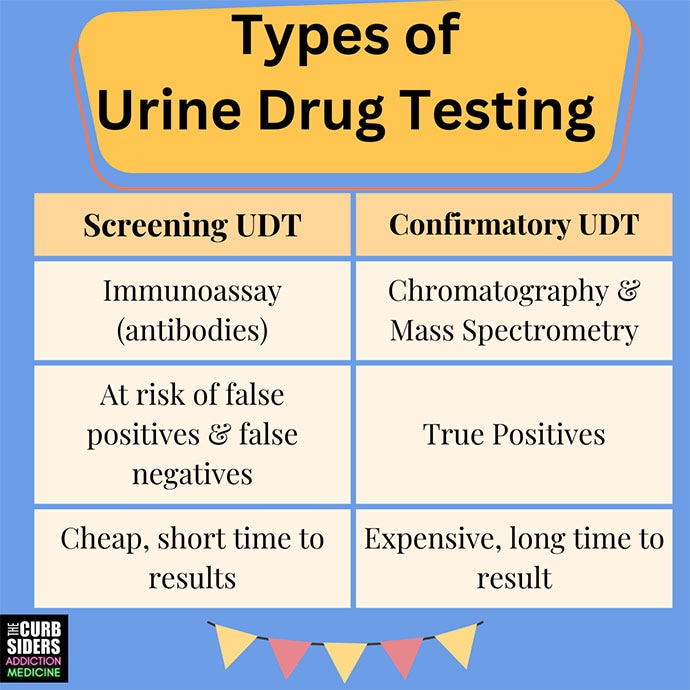
In the vast landscape of human biology, urine acts as a silent storyteller, narrating a story woven from the threads of metabolism and lifestyle choices. The curious inquiry surrounding urine, particularly its viability for drug testing, is akin to exploring the ephemeral nature of a sandcastle at the edge of the sea; intricate, fragile, and subject to the relentless tides of time and environmental conditions. This article delves deep into the intriguing world of urine testing, unveiling not just its shelf life but also the numerous intricacies that accompany it.
Understanding Urine Composition
Before we embark on our journey through time and temperature, it’s essential to comprehend what urine is composed of. Essentially, urine is a complex liquid byproduct of metabolism, primarily made up of water—but it also harbors a myriad of substances, including urea, creatinine, electrolytes, and various metabolites, including those from drugs. The very makeup of urine can influence how long it remains viable for testing. Each component tells its own story, with the metabolites serving as chapters reflecting the presence of specific substances.
Temporal Viability: How Long is Urine Valid?
The general consensus regarding urine’s longevity lies within a narrow window. Freshly voided urine is usually optimal for testing purposes within a timeframe of 24 to 48 hours when stored properly. However, external variables can complicate this timeline. Factors such as temperature, exposure to light, and the container’s material play pivotal roles in determining urine’s resilience against degradation.
When left at room temperature, urine begins its gradual decline shortly after production. Bacterial growth may commence within hours, altering its chemical composition and potentially leading to inaccurate test results. Conversely, refrigeration can extend its viability; stored at a cool temperature, urine may remain acceptable for drug testing up to three days. Nevertheless, the ideally pristine sample should be tested as soon as possible for the most accurate results.
The Role of Storage Conditions
Imagine preserving a delicate bouquet of flowers; proper care extends their life significantly. Similarly, the manner in which urine is stored can greatly influence its usability for drug testing. The following points elucidate ideal storage conditions:
- Temperature: Urine should be chilled if not tested immediately. Temperatures ideally below 4 degrees Celsius can help maintain stability.
- Container: Use clean, adequately sealed containers, preferably those designed for specimen collection to prevent contamination.
- Light Exposure: Keep the specimen away from light to avert the degradation of certain metabolites.
By adhering to these guidelines, one can artificially elongate urine’s life, mirroring the careful preservation of a historical manuscript in an archival environment.
Factors Affecting Drug Detection Time
The duration that drugs remain detectable in urine is as variable as the shifting colors of a sunset, influenced by myriad factors. Understanding these elements can provide deeper insight into the intricacies of drug testing:
- Type of Substance: Different drugs have distinct metabolic pathways. For instance, THC from cannabis might linger in urine for weeks, whereas cocaine may only be detectable for a few days.
- User Metabolism: Individual metabolic rates significantly alter detection periods. Factors such as age, body mass, hydration levels, and overall health can speed up or slow down drug metabolism.
- Frequency of Use: Regular users often leave broader traces compared to infrequent users. Chronic consumption can lead to prolonged detectability.
The metaphor of seasons changing illustrates this variability; what flourishes in spring may wilt by autumn, just as the lifespan of drugs in urine is subject to transformation based on use and bodily conditions.
Myth-Busting: Common Misconceptions
In the realm of drug testing, myths abound like shadows in the twilight. One prevalent misconception is that additives or detox drinks can significantly alter test outcomes. In truth, while some products claim to help flush out drugs, they often prove futile and can even raise red flags in a professional context. Understanding the genuine science behind urine analysis dismantles these myths and encourages transparency in the testing process.
Conclusion: The Ephemeral Nature of Urine Viability
Through our exploration, we observe that urine is not just a waste product but a compelling matrix that encapsulates an individual’s physiological condition and many lifestyle decisions. The life of this golden liquid, particularly its utility for drug testing, hinges on myriad factors—from proper storage conditions to individual biochemistry—reflecting the broader complexities of human life. Like the fleeting echoes of a melody that linger long after the last note has been played, urine retains a narrative all its own, highlighting the importance of understanding its characteristics as they pertain to drug testing. To respect this narrative is to engage with not just the science but also the artistry of the human experience.










Leave a Comment