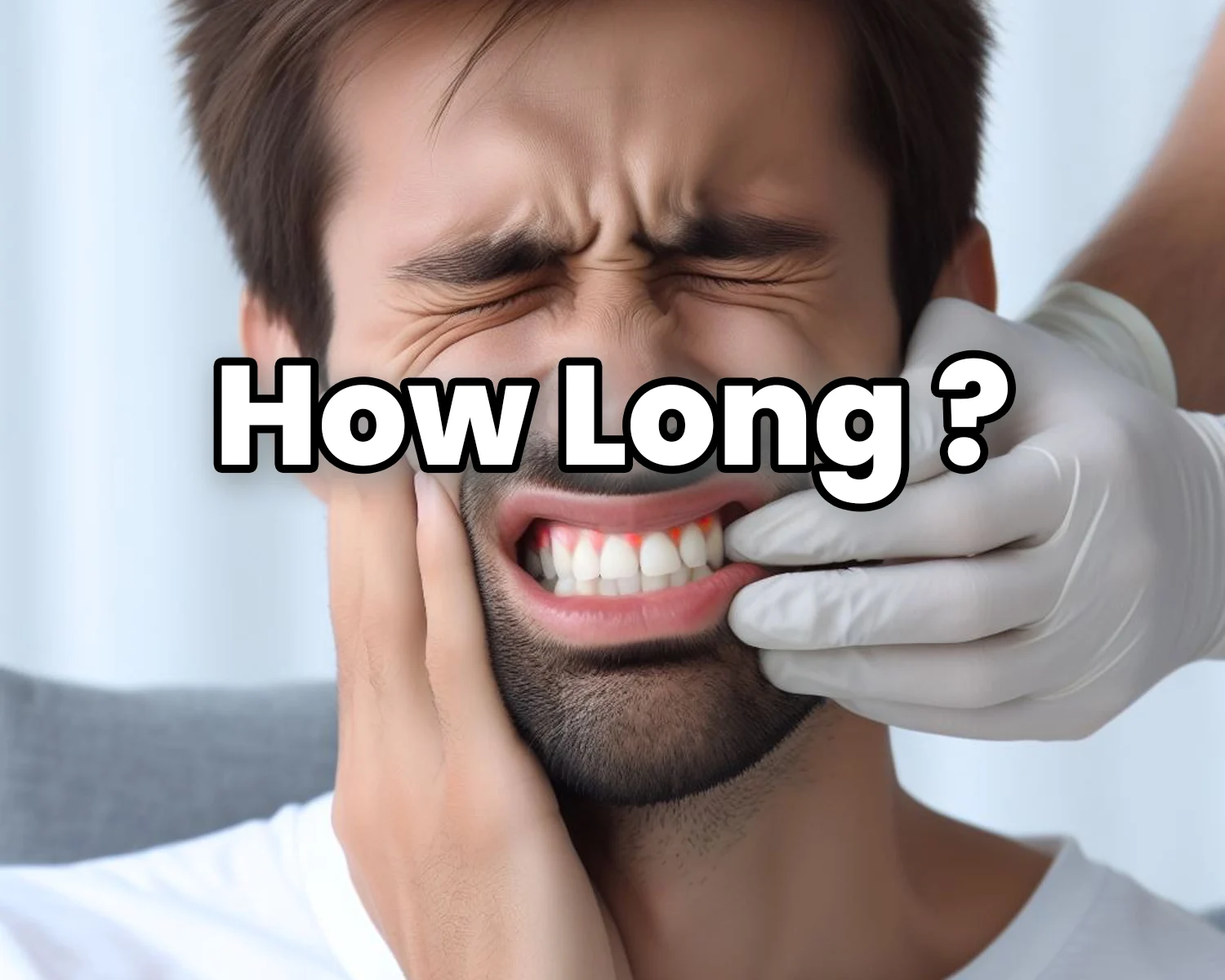
How Long Can You Keep Your Teeth With Periodontal Disease?
Periodontal disease, often likened to a slow, creeping shadow that unfurls behind one’s smile, signifies a battle not just for gums and bones but ultimately for the very essence of oral health. When this condition invades the mouth, it presents a poignant question: how long can your teeth endure this encroaching threat? Understanding the nature of periodontal disease, its progression, and the necessary interventions can illuminate the path to long-lasting dental health.
1. Understanding Periodontal Disease
Periodontal disease, also known as gum disease, is a multifaceted condition that arises primarily from the accumulation of plaque — a sticky film of bacteria that forms on teeth. As plaque hardens into tartar, the body responds with an inflammatory cascade, targeting the gums and underlying structures. This intricate dance of inflammation and bacterial proliferation can eventually lead to tooth loss, akin to a mighty fortress succumbing to gradual erosion.
2. Stages of Periodontal Disease
The journey of periodontal disease unfolds in stages, each marked by specific symptoms and implications:
- Gingivitis: This initial stage manifests as swollen, red, and bleeding gums, akin to a warning flag raised in a calm sea. With proper care, particularly improved dental hygiene, gingivitis is often reversible.
- Moderate Periodontitis: If left unaddressed, gingivitis can advance into moderate periodontitis, where gum recession and deeper pockets between teeth and gums develop. This stage signifies that the fortress walls are beginning to weaken.
- Severe Periodontitis: The final stage often results in significant bone loss, mobility of teeth, and eventual tooth loss. It could be described as the last stand of a beleaguered castle, where structural integrity is lost and defenses crumble.
3. Factors Influencing Longevity of Teeth
How long can teeth be maintained in the face of periodontal disease? The answer is not merely a matter of time but is intricately woven together with various factors:
- Severity of the Disease: The length of time one can retain their teeth hinges prominently on the disease’s severity. Early detection and intervention can safeguard against the more dire consequences of advanced periodontitis.
- Personal Hygiene Practices: Diligence in oral hygiene — including regular brushing, flossing, and professional cleanings — pays dividends. Picture a gardener tending to their flowers, knowing that consistent care fosters lasting beauty.
- Professional Interventions: Routine dental visits are crucial. Treatments such as scaling and root planing can remove tartar build-up, much like a skilled artisan restoring a decaying masterpiece.
- Systemic Health Factors: Conditions such as diabetes or autoimmune diseases can exacerbate periodontal issues. This interplay underscores how multifactorial health is, much like a web where each thread impacts the others.
- Smoking and Lifestyle Choices: Tobacco use can severely hinder healing and exacerbate inflammation, further compromising the fortifications of one’s dental castle. Lifestyle choices form part of the narrative in the longevity of one’s teeth.
4. Preventive Measures to Preserve Your Smile
Like fortifying walls against a relentless siege, prevention is key. A proactive approach can substantially extend the durability of your teeth in the presence of periodontal disease:
- Regular Dental Check-ups: At least biannual visits to the dentist are essential. This practice allows for early detection and swift intervention, forestalling a more severe decline.
- Improved Oral Hygiene Regimen: Incorporate effective brushing and flossing techniques. Use antibacterial mouthwashes to combat plaque build-up and inflammatory responses.
- Balanced Diet: Nutrition plays a crucial role in maintaining oral health. Foods rich in antioxidants, vitamins, and minerals foster resilience in gums and enhance overall dental fortitude.
- Limit Sugar Consumption: Excessive sugar intake feeds harmful bacteria. Moderation in sweet treats can help maintain a balanced oral microbiome, akin to controlling the influx of invaders into your fortress.
5. The Path Forward
While the shadow of periodontal disease may loom, it need not spell the end of one’s dental journey. Many individuals have successfully managed their condition, preserving their teeth through vigilance and proactive care. Just as a ship navigates through turbulent waters, adept strategies can help steer clear of the rocky shores of severe gum disease.
Conclusion
The question of how long you can keep your teeth with periodontal disease reflects a deeper dialogue about resilience, awareness, and commitment to care. While the importance of professional guidance cannot be understated — akin to having a seasoned captain guiding your ship — personal responsibility in maintaining oral hygiene is vital. By understanding the nuances of periodontal disease and adopting preventive measures, you can ensure that your smile remains a radiant beacon, reflecting both health and vitality for years to come.









Leave a Comment