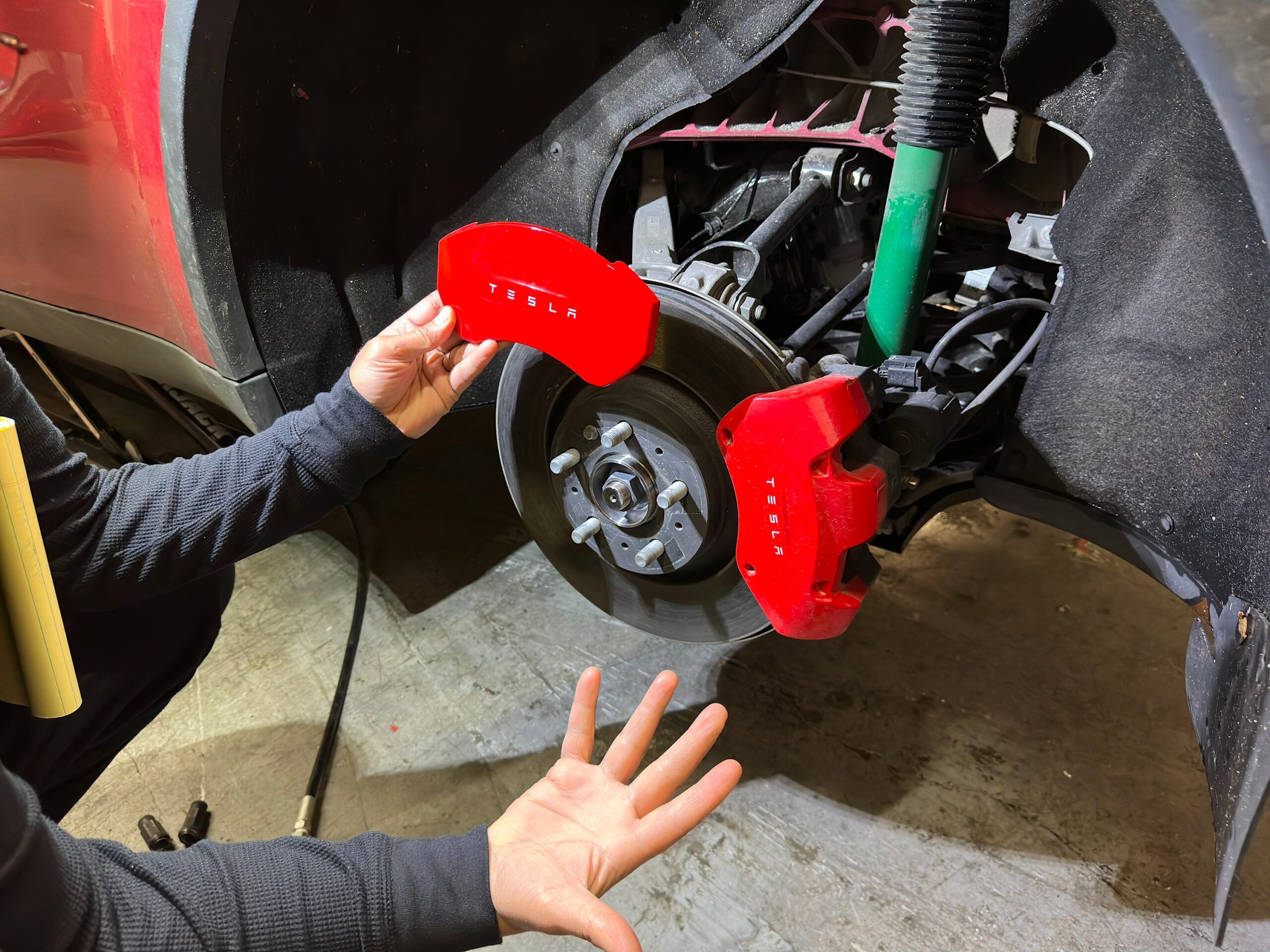
Understanding the longevity of a car’s brakes is paramount for any vehicle owner. While the question “How long do brakes last on a car?” may seem straightforward, the answer is influenced by various factors including vehicle type, driving conditions, and brake components. In this guide, we will delve into the intricacies of brake lifespan, different brake system types, and maintenance, to ensure safety and enhance performance on the road.
The Averages: Brake Lifespan by Type
Typically, brake pads, which are an essential component of a disc brake system, can last anywhere from 30,000 to 70,000 miles. However, this range is not universal. Several factors can dramatically affect brake longevity. Here’s a breakdown of the average lifespan of different types of brakes:
- Organic Brake Pads: Made from natural materials, these pads tend to wear down faster, often lasting only 30,000 to 50,000 miles.
- Semi-Metallic Brake Pads: Composed of a combination of metal fibers and other materials, these pads usually endure longer, ranging from 50,000 to 70,000 miles.
- Ceramic Brake Pads: Known for their durability and performance, ceramic pads can often endure beyond 70,000 miles but may also be influenced by driving habits and vehicle type.
Understanding Brake Components and Their Influence on Longevity
To effectively gauge how long your brakes might last, it is essential to understand the different components within the braking system:
- Brake Pads: These are the most commonly replaced parts in the brake system. Their composition directly affects the duration they will last.
- Brake Rotors: Typically, rotors last longer than pads but can become warped or worn, necessitating replacement every 50,000 to 70,000 miles depending on driving conditions.
- Brake Calipers: These components can last a long time, but issues like sticking can lead to premature pad wear. Regular inspection is vital.
Driving Habits and Their Impact on Brake Wear
One cannot discount how personal driving habits play a crucial role in brake wear. Aggressive driving, such as rapid acceleration and hard braking, will put an undue burden on the braking system. Conversely, a more measured approach—anticipating stops and maintaining appropriate distances—can significantly extend the lifespan of your brakes. Consider the following factors:
- City vs. Highway Driving: Frequent stopping and starting in urban settings can wear brakes more quickly than highway driving, where brakes are applied less often.
- Your Vehicle’s Load: Carrying heavy loads can increase the strain on the brake system, leading to quicker degradation.
- Climate Conditions: In harsher climates with frequent rain or snow, the components may corrode quicker, affecting performance and life span.
Maintenance Practices for Longevity
To ensure that your brakes last as long as possible, regular maintenance is key. Here are some essential practices that should be part of your vehicle care regimen:
- Regular Inspections: Schedule professional inspections to examine the condition of pads, rotors, and fluid levels. This can help identify issues before they escalate.
- Brake Fluid Replacement: Brake fluid absorbs moisture over time, which can lead to corrosion and diminished effectiveness. Ensure it is replaced as per your vehicle’s specifications.
- Listen for Warning Signs: Pay attention to squealing or grinding noises, which often indicate that the pads are worn and in need of replacement.
Signs Your Brakes May Need Replacement
Recognizing when your brakes may be reaching the end of their lifespan can prevent unsafe driving conditions. Here are symptoms to watch for:
- Reduced Responsiveness: If you notice longer stopping distances, it could indicate that your pads are worn.
- Vibration or Pulsation: If the brake pedal pulses when applied, it may signal warped rotors that require attention.
- Dashboard Alerts: Some modern cars are equipped with sensors that will illuminate warning lights when brake components need to be evaluated.
Final Thoughts
Understanding how long brakes last on a car is a multifaceted subject that encompasses the type of brake system, driving habits, vehicle load, and proper maintenance practices. While average lifespans offer a basic guideline, individual owner behavior and conditions play a pivotal role in determining the actual longevity of brakes. Regular maintenance checks and vigilant observation of brake performance are critical in ensuring safety on the road. Ultimately, a proactive approach will not only enhance the lifespan of your braking system but will also provide peace of mind as you drive.











Leave a Comment