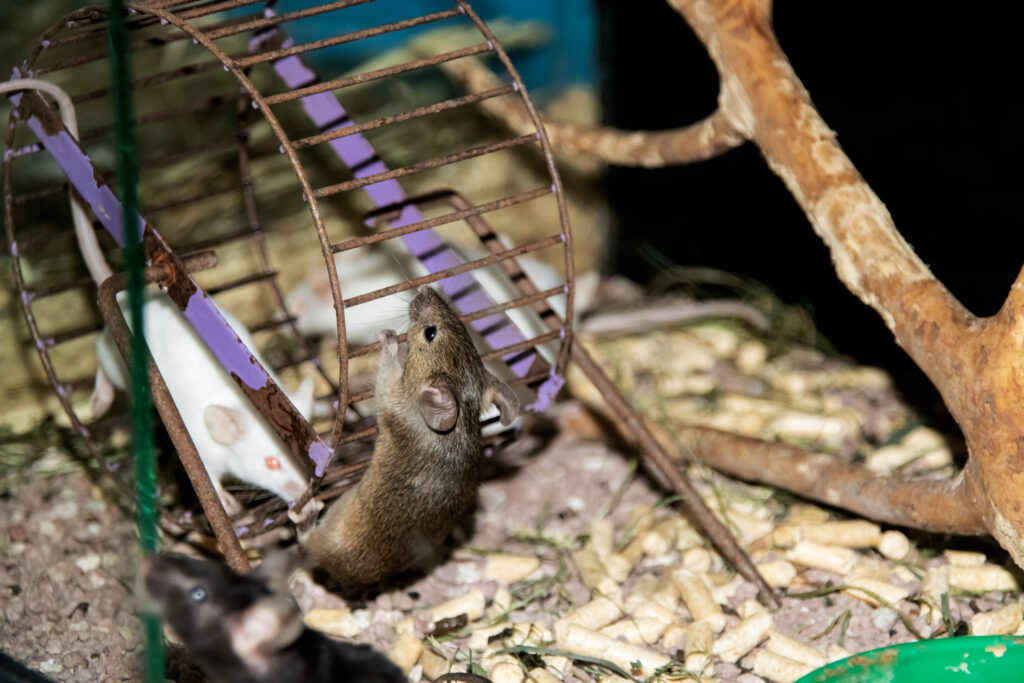
The lifespan of house mice, those unassuming yet resourceful inhabitants of our homes, evokes both curiosity and contemplation. Often considered mere nuisances, their existence can be likened to ephemeral wisps of shadow darting across the floor. This article delves into the duration of their lives, exploring factors that influence their longevity, the variety of environments they encounter, and the implications of their life cycles for both ecosystems and human dwellings.
On average, house mice (Mus musculus) enjoy a modest lifespan of about two to three years when living in the wild. In ideal conditions, sheltered from predators and human intervention, these small creatures can live up to five years. However, this is not the norm. The multitude of threats they face can be likened to a tempest, where each gust of wind—be it from an owl swooping down or a hungry cat pouncing—diminishes their numbers.
House mice are often preyed upon by an array of predators. Their survival is a continuous ballet of evasion and adaptability. Birds of prey, felines, and even larger rodents form a relentless tapestry of danger woven into their everyday existence. The relentless cycle of life and death plays a vital role in maintaining ecological balance, ensuring that these creatures, despite their vulnerability, remain integral to their environment.
Within the confines of human dwellings, house mice inhabit an entirely different realm—a veritable mausoleum of safety in exchange for a constant supply of sustenance. In such environments, where predators are scarce and the pantry brims with provisions, mice can thrive longer. Herein lies the paradox: the very spaces humans construct for comfort can inadvertently become vortexes of longevity for these small mammals.
Several key factors influence the lifespan of house mice, each akin to a note in a symphony of survival. Nutrition is paramount. When house mice have access to a balanced diet replete with essential nutrients, their chances of living a fuller life are enhanced. Conversely, a scarcity of food or poor dietary intake can truncate their existence, much like a song silenced before its final crescendo.
Environmental conditions play a pivotal role as well. Mice exposed to harsh climates or toxic substances may find their lives abruptly shortened. While these creatures exhibit remarkable resilience, living amidst the chaos of urban life, their very adaptability is often tested—a dance on the edge of precariousness. Additionally, the presence of diseases, from parasites to infections, can further diminish their lifespan, each ailment tugging at the delicate threads of their existence.
Reproduction is another critical aspect of their life cycle. House mice are prodigious breeders, capable of producing several litters each year, with each litter containing an average of five to six young. This astonishing fecundity serves as both a mechanism for species survival and a poignant reminder of the circle of life. Each new generation emerges almost like the bloom of spring flowers, bringing with it the promise of continuity, while simultaneously reinforcing the notion that life is vibrantly transient.
The social structures within mouse populations also warrant consideration. House mice may exhibit social behavior that can enhance their overall lifespan. Mice that live in cooperative colonies benefit from collective vigilance, with individuals more likely to evade predators by relying on their companions. The bonds they forge mimic the threads of a finely woven tapestry, interconnecting lives to elevate the chances of survival.
Interestingly, the impact of genetics cannot be overlooked. Research suggests that some genetic variations may confer heightened resilience against the stresses of life, leading to enhanced lifespan. Just as some trees are destined to grow tall and strong, others may wither under similar conditions. Variation within the species serves as a reminder of nature’s profound complexities, where survival often hinges on a delicate balance of traits.
Ultimately, the life of a house mouse unfolds against a backdrop of constant change. From the fleeting moments of chirping younglings to the solemn passage of adulthood, each stage is inscribed with its own narrative. The ordinary, yet mesmerizing journey—from a tiny pink newborn to a nimble adult—offers a unique insight into nature’s intricate designs.
What can humans learn from these diminutive beings? The tale of the house mouse resonates with the themes of adaptability and resilience. In many ways, they are emblematic of life’s fragility. Every squeak and rustle echoes the truth that existence is transient. In this reflection lies a tantalizing allure, reminding us to cherish each moment, for life—like the flickering candlelight—can be both beautiful and fleeting.
In conclusion, the average lifespan of house mice, shaped by a myriad of ecological and social factors, serves as a reminder of the complexity of life that exists all around us, often unnoticed. Their brief, yet impactful lives echo the delicate balance inherent in all ecosystems, drawing our attention to the interconnectedness of all creatures, no matter how small. Understanding their world and acknowledging their place in it enriches our own understanding of nature’s intricate web and reminds us to celebrate the vibrant bursts of life within it.








Leave a Comment