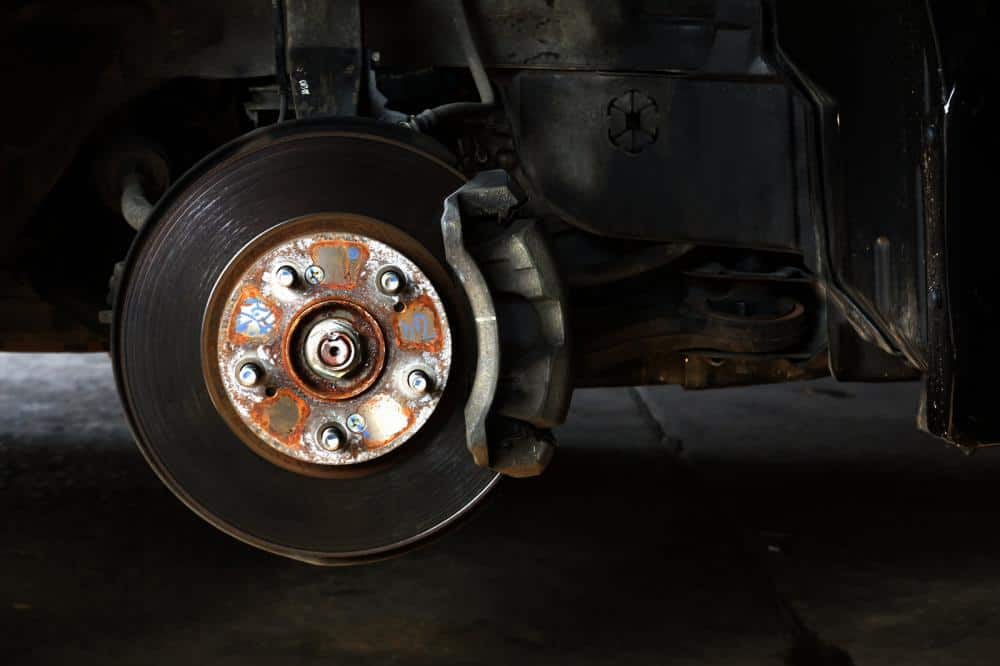
When it comes to vehicle maintenance, few components are as critical as the brake system, particularly the rotors. These essential parts serve as the interface between the brake pads and the vehicle itself, ensuring safe and efficient stopping power. However, many drivers may wonder, “How long do rotors last?” This question is multifaceted, encompassing a range of factors including rotor material, driving habits, and environmental conditions. In this article, we will delve deeply into the lifespan of rotors, examining different types, factors influencing their longevity, and signs that indicate the need for replacement.
Understanding Brake Rotors
Brake rotors, also known as disc brakes, are typically round metal discs that are attached to the wheel hub. When the brake pedal is pressed, the brake pads squeeze against the rotors, generating the friction necessary to slow down or stop the vehicle. There are different types of rotors available, including cast iron, carbon composite, and drilled or slotted variants, each with distinct characteristics and longevity.
Types of Brake Rotors
1. Cast Iron Rotors: These are the most common type, known for their robustness and cost-effectiveness. On average, cast iron rotors can last between 30,000 to 70,000 miles, depending on driving conditions and maintenance practices.
2. Carbon Composite Rotors: These high-performance rotors are typically found in sports cars and racing vehicles. They offer superior heat resistance and reduced weight but can be considerably more expensive. Their lifespan can range from 20,000 to 50,000 miles, heavily influenced by driving style and use.
3. Drilled and Slotted Rotors: These specialized rotors promote better heat dissipation and improved performance in wet conditions. Their durability often mirrors that of cast iron rotors, yet they may wear more quickly under aggressive driving conditions, averaging between 25,000 to 60,000 miles.
Factors Affecting Rotor Lifespan
Several pivotal factors play a role in determining how long rotors will last:
- Driving Habits: Aggressive driving styles, characterized by rapid acceleration and hard braking, tend to wear down rotors more quickly. Conversely, smooth driving can prolong their lifespan significantly.
- Vehicle Type: Heavier vehicles exert more pressure on brake components. As a result, SUVs and trucks may experience shorter rotor life compared to sedans.
- Environmental Conditions: Rotors subjected to harsh weather, such as heavy rain or extreme temperatures, may corrode or warp more rapidly. Road contaminants, like salt or gravel, can also expedite wear.
- Brake Pad Material: Softer brake pads can extend rotor life but may compromise stopping power. Conversely, harder pads can afford better performance at the cost of increased wear on the rotors.
Signs That Your Rotors Need Replacement
While routine inspections can help monitor the condition of your rotors, certain symptoms may indicate impending issues:
- Vibrations or Pulsations: If the brake pedal vibrates when applied, it often signifies warped rotors that require immediate attention.
- Unusual Noises: Grinding or squeaking sounds during braking may result from worn rotor surfaces or even debris caught between pads and rotors.
- Thin Rotor Thickness: Regularly measuring rotor thickness is essential. If they fall below the manufacturer’s minimum thickness specification, they should be replaced.
- Visible Damage: Inspecting for cracks, rust, or deep grooves on the surface can also provide insight into the rotors’ condition.
Maintenance Tips for Prolonging Rotor Life
To maximize the longevity of brake rotors, consider implementing these maintenance practices:
- Regular Inspections: Schedule periodic brake system check-ups to identify wear early on and address issues before they escalate.
- Quality Components: Invest in high-quality brake pads and rotors. While cheaper options exist, they often compromise performance and longevity.
- Proper Break-In Procedures: After installing new rotors and pads, follow break-in guidelines to ensure optimal performance and prevent issues like glazing.
- Avoid Overheating: To prevent heat-related damage, allow brakes to cool between uses, especially after heavy braking or on steep descents.
- Mindful Driving: Adopt smoother driving habits to reduce wear on brake components.
Conclusion
The lifespan of brake rotors can vary significantly based on a multitude of factors, from the material they are composed of to driving habits and environmental conditions. Typically ranging from 20,000 to over 70,000 miles, understanding the types of rotors, their maintenance requirements, and the signs of wear can empower vehicle owners to make informed decisions about their brake systems. By implementing proactive care and adhering to best practices, one can not only enhance safety but also maximize the efficiency and longevity of this crucial automotive component. Prioritizing brake maintenance ultimately ensures that drivers remain in control of their vehicles, promoting safer journeys on the road.








Leave a Comment