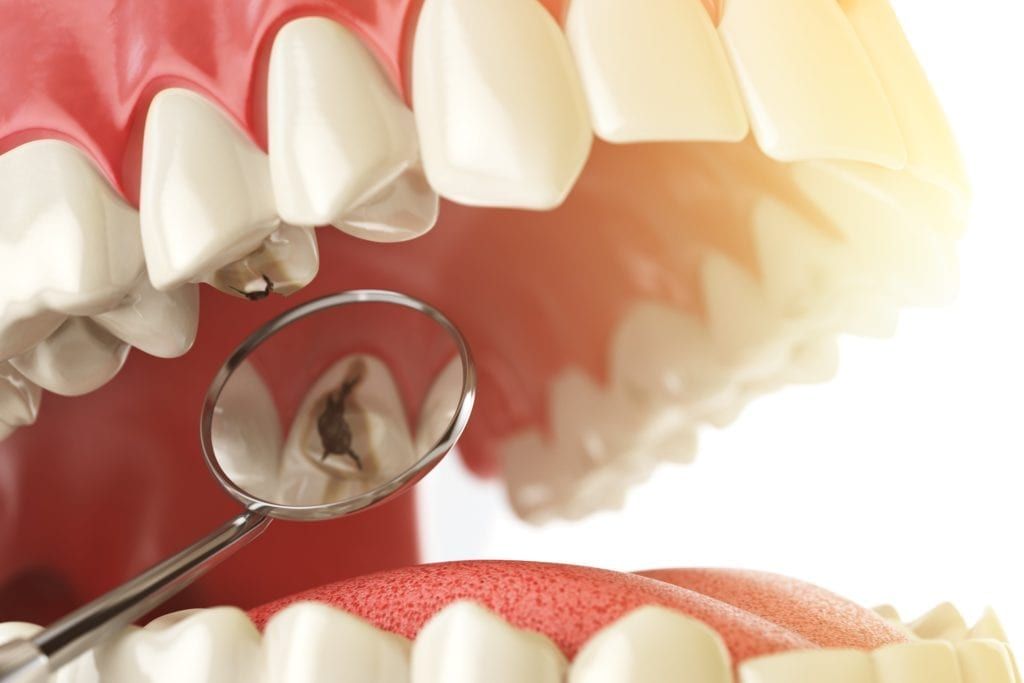
Understanding the formation of dental cavities is crucial for maintaining optimal oral health. Cavities, also known as caries or dental decay, occur as a result of a complex interplay between bacteria, sugar, and the tooth structure. The timeline for cavity development can vary extensively depending on numerous factors. This article aims to delve into the minutiae of cavity formation, offering insights into its progression, the influential variables, and preventive measures.
1. Initial Stages: The Beginnings of Tooth Decay
The genesis of a cavity begins when the surface of the enamel—the hard, outer layer of the tooth—starts to demineralize. This initial demineralization occurs over a period that could range from several months to several years. Key players in this process are the bacteria present in the oral cavity, particularly Streptococcus mutans. These bacteria metabolize sugars from food and produce acids as byproducts. Over time, continuous acid exposure will erode the enamel’s protective barrier.
2. The Role of Diet: A Sugary Influence
Your dietary habits significantly impact the speed of cavity formation. A diet high in fermentable carbohydrates, especially sugars, accelerates the acid production process. When sugary foods are consumed frequently or left on the teeth, the pH level in the mouth decreases, creating an acidic environment conducive to enamel erosion. On the contrary, a balanced diet, rich in fibrous fruits and vegetables, can promote oral health and slow down decay progression.
3. Saliva: The Unsung Hero
Saliva plays an indispensable role in oral health. It not only helps to neutralize acids in the mouth but also contains minerals like calcium and phosphate that can aid in the remineralization of enamel. Individuals with diminished saliva flow, whether due to medical conditions or medication side effects, may experience faster cavity formation. Thus, maintaining adequate hydration and stimulating saliva production through chewing sugar-free gum or consuming crunchy vegetables can be beneficial.
4. The Time Frame: How Long Does a Cavity Take to Form?
The time it takes for a cavity to go from a healthy tooth to a decayed one is not linear. On average, a cavity can take anywhere from 6 months to several years to form, depending on various factors. A study indicated that decay may commence almost immediately after the acid attack begins, although visible signs are typically not present until the enamel is significantly compromised. If left unchecked, a cavity can progress through the enamel into the dentin layer in as little as 6 months to 2 years.
5. Factors Influencing Cavity Formation
Various intrinsic and extrinsic factors can influence how quickly cavities form:
- Age: Children and adolescents are particularly susceptible due to their developing teeth and high sugar consumption.
- Oral Hygiene: Inconsistent brushing and flossing allow plaque buildup, promoting decay.
- Fluoride Exposure: Regular fluoride application can remineralize enamel, slowing the progression of decay.
- Underlying Health Conditions: Conditions such as diabetes and autoimmune disorders can enhance cavity development.
6. Types of Cavities and Their Formation
Cavities can manifest in various forms, each representing different stages and locations of tooth decay:
- Pit and Fissure Cavities: These are found on the chewing surfaces of the back teeth and are often the first to form, especially in children.
- Smooth Surface Cavities: These occur on the flat, smooth surfaces of teeth, typically progressing slowly if proper hygiene is maintained.
- Root Cavities: These develop on the roots of teeth, often in older adults with receding gums, and can progress rapidly due to the softer texture of root cementum.
7. Early Detection and Intervention
Detecting a cavity in its early stages can significantly prolong the life of a tooth. Regular dental check-ups are essential for identifying early signs of decay. Dentists often utilize X-rays and visual examinations to ascertain the presence of cavities before they advance to a level requiring more invasive treatment. Implementing preventive measures can halt or reverse early-stage decay, making regular dental visits a cornerstone of oral health.
8. Preventive Measures: A Crucial Defense
Protecting your teeth from cavity formation involves an amalgamation of effective strategies:
- Consistent Oral Hygiene: Brushing at least twice a day and flossing daily is imperative for disrupting plaque buildup.
- Dietary Modifications: Limiting sugary snacks and beverages can drastically reduce the risk of tooth decay.
- Fluoride Treatments: Utilizing fluoride toothpaste and considering professional fluoride treatments can strengthen enamel.
- Dental Sealants: Applying protective sealants on vulnerable teeth can shield against decay, especially in children.
In conclusion, the timeline for cavity formation is not fixed or uniform; it is subject to a myriad of factors, including diet, oral hygiene, and individual health conditions. Understanding these elements enables individuals to take proactive measures to maintain dental health. Regular dental check-ups and a commitment to proper oral hygiene can substantially mitigate the risk of cavities, ensuring a healthier smile for years to come.










Leave a Comment