Have you ever found yourself pondering, “How long does a toupee actually last?” This whimsical question invites both curiosity and skepticism. A toupee, often viewed merely as a tool for enhancing one’s appearance, also serves as a crowning symbol of confidence for many. Yet, just like any other accessory, it has its limitations. In this article, we will explore the myriad factors influencing the longevity of a toupee, delve into various types available, and present maintenance tips to extend its life. Let’s embark on this hair-raising journey, shall we?
1. The Toupee: An Overview
Before we venture into the specifics of durability, let’s delineate what a toupee is. A toupee, or hairpiece, is a form of artificial hair used to cover baldness or thinning hair, primarily employed by men. Made from either synthetic fibers or human hair, toupees can blend seamlessly with your natural locks, offering a fresh look and a boost to self-esteem. However, the question remains: how long can this stylish solution accompany you on your daily ventures?
2. Types of Toupees
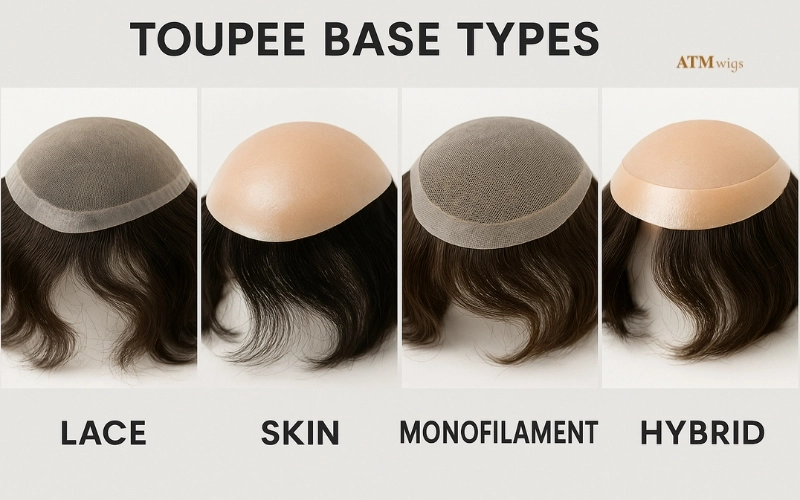
The longevity of a toupee is inherently linked to its type. Key types include:
- Synthetic Hair Toupees: Made from man-made materials, these are typically more affordable, but they might not withstand high temperatures or styling practices. Their lifespan averages around 6 to 12 months.
- Human Hair Toupees: Crafted from actual human strands, these offer a more authentic appearance and can last anywhere from 1 to 3 years with proper care. They can be styled and colored, making them a versatile option.
- Lace Front Toupees: Known for their breathable nature, lace front toupees allow for a natural hairline. Their durability can range from 6 months to 2 years, depending on maintenance.
- Polyurethane Toupees: With a more robust backing, these toupees tend to last longer, particularly if attached using medical-grade adhesive, often exceeding 2 years.
3. Factors Influencing Longevity
Now, let us dissect the multiple factors that critically influence how long your toupee may last:
- Material Quality: The intrinsic quality of materials used plays an indispensable role. Higher-grade human hair toupees or premium synthetic fibers will naturally outlast their cheaper counterparts.
- Usage Frequency: If you wear your toupee daily, you should expect a reduced lifespan compared to someone who only dons it occasionally. Daily wear subjects the piece to environmental factors, sweat, and styling tools.
- Maintenance Practices: Proper maintenance can dramatically extend longevity. Regular cleaning, conditioning, and appropriate storage help preserve the fabric and keep it looking fresh.
- Adhesive Type: The kind of adhesive used for attaching the toupee affects lifespan. Medical-grade adhesives offer durability but require meticulous application and removal processes.
4. Maintenance Tips for Longevity
To ensure your toupee remains in optimal condition for as long as possible, adhere to these maintenance guidelines:
- Regular Cleaning: Keep your toupee clean as pollution and oil buildup can deteriorate its quality. Use products specifically formulated for synthetic or human hair.
- Conditioning: Much like your natural hair, toupees need conditioning. A quality conditioner helps maintain softness, shine, and manageability.
- Storage Guidelines: When not in use, store your toupee on a mannequin head or in a breathable bag to maintain its shape and prevent tangling.
- Sensible Styling: Avoid excessive heat styling and harsh chemicals that can wear down the fibers and reduce lifespan. Opt for low-heat tools and aim for gentle products.
5. The Challenge of Naturalism
As playful as it may sound, achieving a natural look with a toupee presents its own set of challenges. The question “How long does a toupee last?” also intertwines with the critical notion of appearance. A well-maintained toupee can blend seamlessly, giving you immense confidence.
However, a toupee that has reached the end of its lifespan can sigil your downfall—fraying edges and faded colors may expose your secret. The goal is to identify when it’s time to replace your toupee without compromise.
6. Signs It’s Time for a New Toupee
To ensure you are not caught in a precarious situation, keep an eye out for these indicators signaling the need for a new hairpiece:
- Visible Wear and Tear: Frayed edges, excessive tangling, or thinning can suggest it’s time for a new piece.
- Color Fade: Loss of vibrancy often signals aging fibers; a toupee losing its luster is a clear call to action.
- Unnatural Appearance: If your toupee no longer matches your natural hair or looks artificial, it’s advisable to invest in a replacement.
In conclusion, the lifespan of a toupee varies widely based on multiple factors such as material, usage, maintenance, and adhesive. With proper care and an astute eye for wear, you can enjoy the enhancement a toupee brings without compromising on naturalism. As you navigate the world of toupees, may you find the balance between style and practicality, ensuring that your toupee becomes a reliable companion in your journey of self-expression.







Leave a Comment