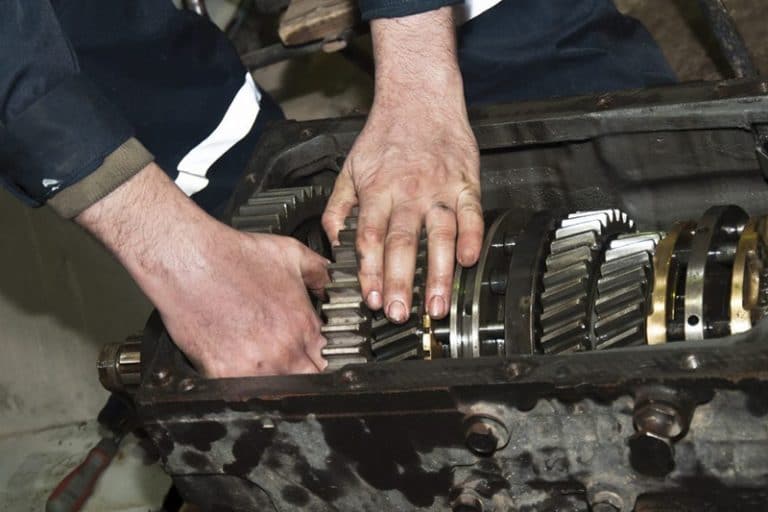
When it comes to vehicle maintenance, few components are as crucial—and, simultaneously, as mystifying— as the transmission. Understanding the longevity of a transmission is paramount for vehicle owners, as it plays an integral role in ensuring that the vehicle operates smoothly. This article delves into the multifaceted factors influencing transmission lifespan, the various types of transmissions, the signs of looming failure, maintenance tips for longevity, and the cost implications of a transmission replacement.
1. Understanding Transmission Types
Transmissions generally fall into three primary categories: manual, automatic, and continuously variable transmissions (CVTs). Each type exhibits different characteristics that can influence its lifespan. For instance, manual transmissions are often lauded for their durability, owing to the simplicity of their components. Conversely, automatic transmissions, which utilize a complex assembly of gears, clutches, and hydraulic systems, often experience more wear and tear. CVTs, a relative newcomer in the automotive world, utilize a belt-and-pulley system that allows for a seamless transition of power, yet presents unique challenges in terms of longevity.
2. Average Lifespan of Transmissions
On average, transmissions are designed to sustain functional efficiency for approximately 150,000 to 200,000 miles, given optimal driving conditions and routine maintenance. However, various factors can drastically alter this average. Manual transmissions might exceed this range, routinely reaching upwards of 300,000 miles if maintained diligently. Automatic and CVT systems, while typically lasting around 100,000 to 150,000 miles, exhibit a wider variance influenced by driving habits and environmental conditions.
3. Influential Factors on Transmission Lifespan
The longevity of a transmission is contingent upon several key factors:
- Driving Habits: Aggressive driving, including rapid acceleration, abrupt gear shifts, and frequent stop-and-go situations, contributes significantly to transmission wear. Gentle driving practices can significantly enhance longevity.
- Regular Maintenance: Scheduled service, such as fluid changes and filter replacements, is crucial. Transmission fluid serves not only as a lubricant but also as a coolant; neglecting it can lead to catastrophic failures.
- Environmental Conditions: Extreme temperatures (both hot and cold), as well as driving in hilly or off-road terrains, can exacerbate wear on transmission components.
- Load and Towing: Frequently towing heavy loads places additional strain on the transmission. Over time, this abuse can lead to premature failure.
4. Signs of Transmission Trouble
Recognizing the early signs of transmission issues can spell the difference between a minor repair and a costly overhaul. Watch for these clear indicators:
- Shifting Delays: Hesitation when shifting gears is often the first sign that all may not be well within the transmission.
- Unusual Noises: Growling, whining, or clunking sounds when the vehicle is in gear may indicate the need for immediate attention.
- Fluid Leaks: If you notice reddish or brown fluid pooling under your vehicle, it could signify a leak that requires prompt repair.
- Warning Lights: The check engine light or transmission temperature light illuminating on the dashboard are alerts that require immediate diagnostic evaluation.
5. Preventative Maintenance Tips
Shouldering the responsibility of transmission care can extend its service life considerably. Implement these essential maintenance tips:
- Fluid Checks: Regularly check transmission fluid levels, ensuring they remain within the designated range. Top off if necessary and inspect the fluid for proper color and consistency; it should be bright red and not burnt or discolored.
- Fluid Changes: Replace transmission fluid according to the manufacturer’s recommendations. This is usually every 30,000 to 60,000 miles, although some modern vehicles may allow for longer intervals.
- Filter Replacements: Change the transmission filter when you perform a fluid change. A clean filter prevents debris build-up that can hinder performance.
- Routine Inspections: Schedule ongoing inspections with a certified mechanic to detect minor issues before they evolve into significant problems.
6. Costs Associated with Transmission Replacement
If the unthinkable occurs and a transmission replacement is necessary, the financial implications can be daunting. A transmission repair can range between $1,500 to $4,000, depending on the make, model, and whether a new or refurbished transmission is employed. Additionally, labor costs can add another layer to the financial burden. Understanding these costs and planning accordingly can alleviate some of the stress associated with such repairs.
Conclusion
In summary, the longevity of a transmission hinges on various components, including type, driving habits, environmental influences, and diligent maintenance. By remaining vigilant and proactive in addressing any signs of trouble, one can significantly enhance the lifespan of this crucial vehicle component. Ultimately, a well-maintained transmission not only ensures the seamless operation of a vehicle but also contributes to the overall safety and reliability of your driving experience.








Leave a Comment