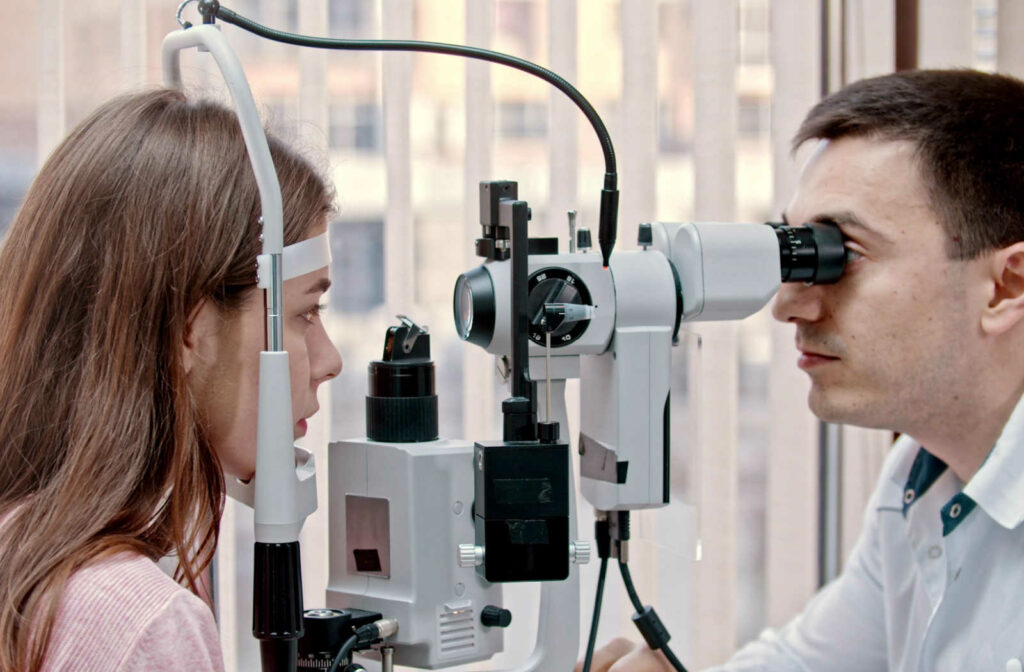
When it comes to maintaining optimal vision, regular eye exams are crucial. However, many individuals find themselves pondering, “How long does an eye exam take?” The duration of an eye examination can vary significantly based on various factors, including the type of exam, individual patient needs, and the setting of the examination. In this article, we will delve into the nuanced intricacies of eye exams, exploring the different types of evaluations, the expected time commitments, and what patients can anticipate during their visit.
1. Understanding the Types of Eye Exams
To appreciate how long an eye exam might take, it is essential to identify the various types of assessments available. Primarily, eye exams can be categorized into two significant types:
a. Comprehensive Eye Exam
A comprehensive eye exam is the cornerstone of eye care, designed to evaluate the overall health of your eyes and check for vision problems. Generally, this exam encompasses a series of tests that measure visual acuity, evaluate eye coordination, and check for signs of ocular diseases. A typical comprehensive exam may take approximately 30 to 90 minutes.
b. Diabetic Eye Exam
Patients with diabetes should undergo diabetic eye exams regularly to monitor changes in the retina. These evaluations tend to be more thorough and can take anywhere from 45 minutes to over an hour, depending on the specific assessments required.
2. Preparing for Your Eye Exam
Being well-prepared for your eye exam can help streamline the process. Arriving about 15 minutes early allows for the completion of any necessary paperwork, while also providing an opportunity to discuss your medical history with the eye care professional. Moreover, if you anticipate that your pupils may need to be dilated, it is advisable to arrange for transportation afterward, as the dilation process can impede your vision temporarily.
3. The Typical Steps of an Eye Exam
The flow of an eye exam can be broken down into distinct phases, each contributing to the overall length of the appointment.
a. Preliminary Testing
Upon arrival, initial tests may include a brief assessment of visual acuity using an eye chart, as well as measurements of intraocular pressure. This preliminary phase can take about 10 to 15 minutes. These tests serve as important indicators of eye health and visual abilities.
b. Refraction Assessment
Next, the optometrist or ophthalmologist will perform a refraction test. Using a phoropter, you will be asked to look through various lenses to determine the most accurate prescription for glasses or contact lenses. This segment of the exam usually lasts about 15 to 20 minutes, depending on individual complexity.
c. Dilation and Examination of the Retina
If dilation is deemed necessary, special drops will be administered to widen your pupils, allowing the doctor to thoroughly examine the retina and optic nerve. The waiting period for optimal dilation effects can be around 20 to 30 minutes. Keep in mind that dilation may alter your vision temporarily, so it impacts the total time spent at the clinic.
d. Final Assessment and Discussion
Once all tests are completed, the eye care professional will review the results and discuss any necessary corrective measures or recommendations. This final assessment usually takes anywhere from 10 to 20 minutes. Patients are encouraged to ask questions to fully understand their eye health and any prescribed treatments.
4. Special Considerations Impacting Duration
Several factors can influence how long an eye exam takes:
a. Age and Medical History
For children or patients with specific medical histories (such as ocular diseases or systemic conditions), exams may take longer due to the need for additional tests or thorough evaluations.
b. Type of Vision Issues
Individuals with complex vision needs, such as astigmatism or high myopia, may require more extensive examinations and longer testing periods.
c. Technology Utilization
Modern eye care facilities may utilize advanced technology, such as optical coherence tomography (OCT) or digital retinal photography, which can add extra time to an appointment. However, these technologies can yield more comprehensive insights into ocular health.
5. Conclusion
Understanding how long an eye exam takes involves more than just a simple time frame. It’s a multifaceted process influenced by the type of examination, each unique person’s needs, and the various steps involved in assessing ocular health. On average, expect an appointment to last anywhere from 30 minutes to over two hours for specialized assessments. Staying informed and prepared can help you make the most of your appointment, ensuring that you leave with a clearer vision of your eye health.






Leave a Comment