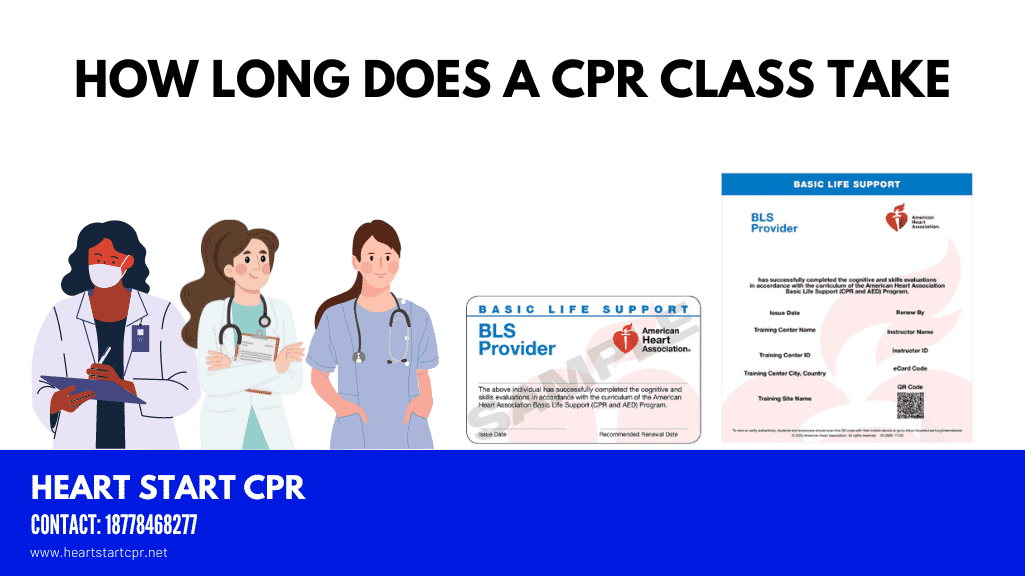
When it comes to mastering life-saving techniques, one daunting question arises: How long does CPR training actually take? For those who are eager to equip themselves with the knowledge and skills necessary to respond to cardiac emergencies, the duration of training can vary significantly based on several factors, including the type of certification, the training provider, and the level of training sought. In the following sections, we’ll explore the different dimensions of CPR training timeframes, addressing everything from basic courses to advanced certifications and the myriad of variations in between.
Before diving into specific timeframes, let’s pose a playful question: If you were a superhero, how long would it take to gain the skills to save lives? In many ways, embarking on CPR training feels like stepping into a new identity—one that empowers you to make a critical difference when seconds count. However, with this newfound power comes the challenge of diving deep into the intricacies of resuscitation techniques, which can initially feel overwhelming. But fear not! Understanding the specifics of the training process will illuminate your path forward.
### 1. Basic CPR Training
For those just beginning their journey, basic CPR training courses typically entail a commitment of around 4 to 6 hours. These courses are often designed for laypersons—the average individual wishing to become proficient in basic life support. Generally, they include both theoretical components and practical skills, ensuring that participants can perform compression and ventilation steps effectively.
During this timeframe, learners will immerse themselves in vital topics such as the anatomy of the heart, recognizing the signs of cardiac arrest, and executing the proper chest compressions and rescue breaths. Instruction is usually provided through engaging methods—think interactive presentations and hands-on practice on CPR mannequins. Striking a balance between learning and applying ensures participants retain crucial information and feel confident in their abilities.
### 2. Advanced CPR and BLS Certification
If you’re venturing towards more advanced training—specifically Basic Life Support (BLS) certification—the commitment increases to approximately 4 to 8 hours, depending on the provider. BLS courses are tailored for healthcare professionals but are equally beneficial for anyone motivated to deepen their understanding and skills in CPR, especially in a medical context.
This type of training extends beyond the basics, introducing advanced concepts such as the use of Automatic External Defibrillators (AEDs), emergency response protocols, and management of choking victims. The inclusion of more complex scenarios ensures participants can adapt and respond appropriately in real-world situations. Time spent in practical applications is essential, as learners practice working as part of a team and executing secondary skills that support effective CPR.
### 3. CPR for Professionals: ACLS and PALS
For healthcare providers looking to elevate their skill set further, Advanced Cardiovascular Life Support (ACLS) and Pediatric Advanced Life Support (PALS) courses come into play. Both of these specialized certifications demand a greater investment of time—typically ranging from 12 to 16 hours for a comprehensive training experience, including both lectures and practical assessments.
ACLS focuses on the management of adult patients experiencing cardiac arrest and other cardiovascular emergencies. The curriculum delves into advanced rhythm recognition, pharmacology, and practical exercises that simulate real-world resuscitation challenges. Similarly, PALS centers on caring for critically ill infants and children, emphasizing different techniques and approaches necessary for this vulnerable demographic.
### 4. Online vs. In-Person Training
Another dimension to consider when contemplating CPR training duration is the mode of delivery. Online courses often promise flexibility and efficiency, allowing participants to progress through material at their own pace. Most basic CPR certifications can be completed in as little as 2 hours online, though these often require an additional in-person skills assessment. This hybrid approach can extend the total time commitment but provides a comprehensive understanding through self-directed learning.
Conversely, in-person training fosters an environment filled with direct instructor interaction, peer collaboration, and real-time feedback. While this may require a larger block of time upfront, many find the immersive experience invaluable. It becomes clear that the format chosen can influence not just the time commitment but also the depth of knowledge acquired.
### 5. Continuous Education and Recertification
It’s crucial to acknowledge that CPR training is not a one-and-done affair. Most certifications, especially those that are workplace mandated, typically require renewal every 2 to 3 years. This prompts ongoing learning and the opportunity to refine skills, often requiring a shorter timeframe for recertification, usually around 3 to 5 hours. Engaging with refreshers reinvigorates knowledge and ensures practitioners remain confident in their abilities.
### Conclusion
As we unravel this intricate tapestry of CPR training duration, we discover that the time invested can greatly vary based on personal goals, the complexity of skills sought, and the chosen method of training. Whether you aspire to be the calm in the storm as a bystander during a crisis or a healthcare professional responding to emergencies, there is a course tailored for you. Embracing the opportunity to learn CPR heralds the beginning of a remarkable journey, transforming you into a custodian of life-saving techniques. So, how long are you willing to dedicate to become a life-saving superhero in your community? Each moment spent learning could indeed be a moment that saves a life.







Leave a Comment