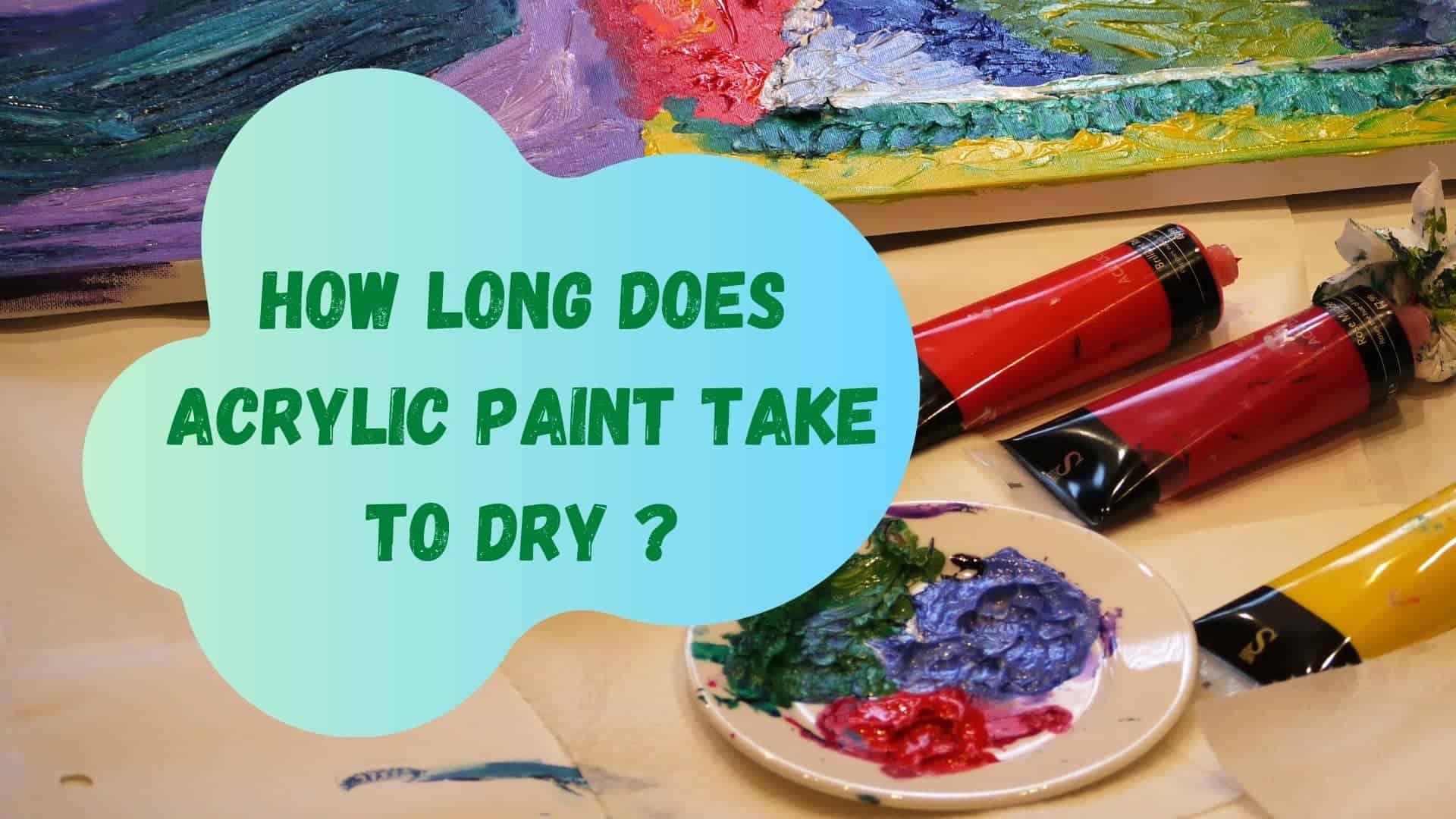
When embarking on a creative journey with acrylic paints, a common question arises: just how long does it take for acrylic paint to dry? This seemingly innocuous query can open up a veritable Pandora’s box of considerations regarding techniques, environmental factors, and the intrinsic properties of the paint itself. As you explore this artistic dilemma, one might wonder: what if the unpredictability of drying times stifles your creativity or, conversely, enhances your process? Prepare to be amazed, as the journey through the drying times of acrylic paint can both challenge and inspire your artistic endeavors.
Understanding the Basics of Acrylic Paint
Acrylic paint, in its essence, is a water-based medium composed of pigment suspended in an acrylic polymer emulsion. It is celebrated for its versatility, vibrancy, and rapid drying capabilities. Unlike oil paints, which languish in their drying times, acrylics offer a rapid transition from wet to dry, enabling artists to layer swiftly. But how fast does this transition occur? The answer lies in several defining factors.
Drying Phases of Acrylic Paint
Acrylic paint actually goes through a series of drying stages. Initially, it forms a “set” film within 10-30 minutes. However, full dry times can vary dramatically depending on a multitude of conditions. This understanding is beneficial if you’re on a tight timeline or if certain techniques require more control over the painting environment.
Factors Influencing Drying Time
When gauging how long acrylic paint takes to dry, various factors come into play:
- Temperature: Warmer temperatures can accelerate drying times. Conversely, cooler environments may elongate the process, sometimes doubling or tripling the standard drying period.
- Humidity: High humidity levels cause acrylic paints to dry much slower. In a humid environment, certain paints may remain workable for several hours; positioning your easel in a less humid setting can significantly shorten the wait.
- Thickness of Application: The volume of paint applied directly impacts drying time. A thick layer may take several hours or even days to fully dry, while thin washes can become dry within minutes.
- Type of Surface: Porous surfaces, like canvas or wood, can absorb moisture from the paint, facilitating quicker drying. Non-porous surfaces, such as plastic or metal, may prolong the drying duration.
- Additives: Incorporating mediums and retarders can alter the drying properties, either accelerating or decelerating the process. Understanding the chemistry at play can offer artists valuable control over their mediums.
Practical Implications for Artists
Considering the myriad factors influencing drying times necessitates foresight and planning. This anticipation might pose a challenge: how does one harness the characteristics of drying times to enhance their artwork? Timing can be everything. Seeking to blend colors? You may want to wait until your layer is tacky, not fully dry, to achieve a smooth gradient. Planning to add details over an underlying layer? Understanding that all layers must be entirely dry first can save you a lot of heartache.
Testing Your Own Paints
Every artist has different preferences and techniques, and establishing a personalized drying time can be an enlightening experience. Experiment with small swatches of paint on various surfaces and in differing environmental conditions. Create a drying chart to better grasp how your specific acrylic paint responds under different circumstances. This may also serve as a useful reference in future projects.
Techniques for Speeding Up the Drying Process
While waiting for paint to dry may feel like an exercise in patience, several methods can expedite the process:
- Use a Hair Dryer or Heat Gun: Keep the device at a reasonable distance to avoid warping or bubbling the paint. The blast of hot air can decrease drying time significantly.
- Increase Airflow: Utilizing fans or positioning your work in a well-ventilated area can help circulate air, nudging paint to dry faster.
- Thin Layers: Applying paint in thin layers not only conserves material but dramatically shortens drying times.
When Completion Awaits
Acrylic paint is generally touch-dry within 30 minutes to 1 hour, but full curing can often take up to 24 hours or longer, depending on the variables outlined earlier. To ensure that your masterpiece withstands the test of time, consider sealing it with a varnish after it has fully dried. This will provide added protection and vibrancy for years to come.
Conclusion
The question of how long acrylic paint takes to dry may seem simple, yet it entwines a complex interplay of various factors that could enhance or challenge your artistic process. By understanding these dynamics, you not only equip yourself with knowledge but also arm yourself to tackle the unpredictable nature of your craft. So the next time you dip your brush into a vibrant puddle of acrylic paint, remember to assess your environment, consider your techniques, and prepare for the delightful spontaneity that accompanies this aqueous medium. Creativity knows no bounds, after all.






Leave a Comment