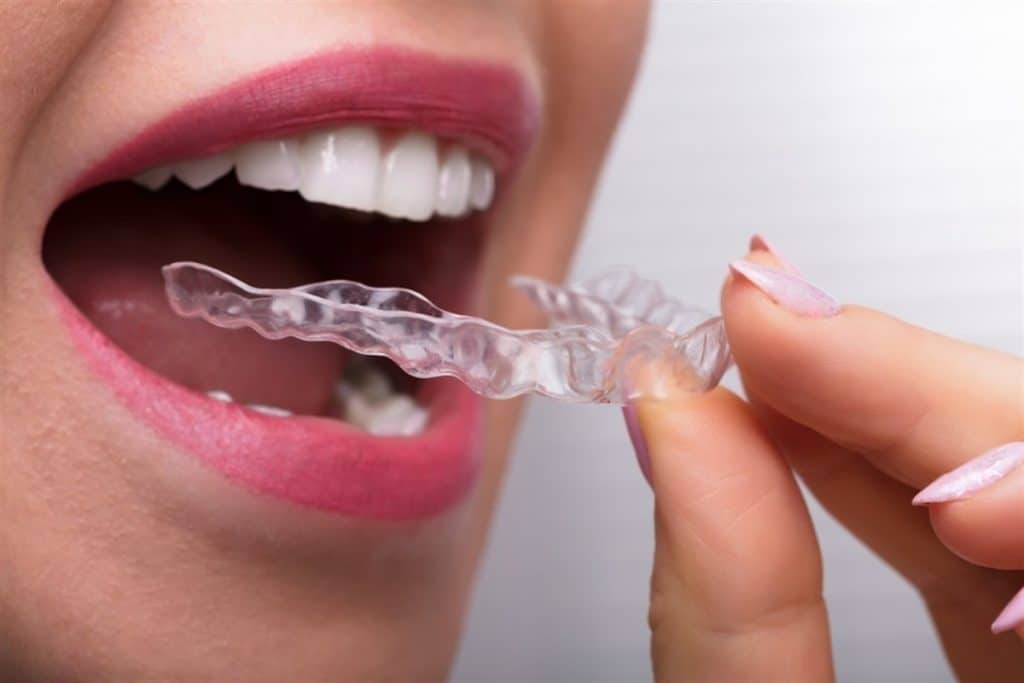
In the realm of orthodontics, the emergence of Invisalign represents a transformative shift akin to the enchanting evolution of a caterpillar into a butterfly. Just as the metamorphosis of a caterpillar requires time and patience, so too does the journey of aligning your teeth with these revolutionary clear aligners. The pivotal question looms large: How long does it take for Invisalign to work its magic? This inquiry encapsulates not merely the duration but also the intricacies of the treatment process.
1. **Understanding the Treatment Timeline**
The timeline for achieving optimal results with Invisalign can vary significantly from person to person, much like the nuanced experiences of each individual caterpillar. However, on average, treatment spans six to eighteen months. Several pivotal factors influence this duration.
2. **Initial Consultation and Customized Plan**
The first stride in your journey involves a thorough examination and consultation with your orthodontist. This critical meeting sets the stage for your unique treatment plan. Digital imaging and 3D modeling help craft a tailored roadmap for your teeth’s evolution, akin to a sculptor meticulously planning the transformation of a block of marble into a magnificent statue.
3. **Severity of Orthodontic Issues**
As with nature’s diverse array of caterpillars, the complexity of your orthodontic concerns plays a significant role in determining treatment duration. Mild misalignments may necessitate a shorter treatment period, while severe overcrowding or significant spacing issues could extend the timeline. This straightforward correlation underscores the importance of a detailed assessment at the outset.
4. **Compliance with Wear Time**
Invisalign aligners need to be worn for 20 to 22 hours a day for optimal efficacy. This commitment parallels the discipline of an athlete in training; success hinges not solely on skill but on consistent practice. Failing to adhere to this guideline may prolong your treatment, as each aligner is designed to methodically shift your teeth into their desired positions over a predetermined period.
5. **Altering Aligners**
Typically, aligners are changed every one to two weeks. Each new set brings your teeth closer to alignment, much like the gradual unfolding of a flower petal revealing the beauty within. The specific interval at which you transition to the next set will depend on your individual treatment plan crafted by your orthodontist, emphasizing the importance of regular check-ups.
6. **Personal Biological Response**
The human body is a complex machine, with individual biological responses that can accelerate or decelerate the process of orthodontic fitting. Factors such as age, bone density, and overall oral health can influence how readily your teeth shift. For instance, younger patients may experience faster movements due to their high bone remodeling potential, highlighting the biological variability in responses to Invisalign treatment.
7. **The Role of Attachments and Elastics**
In some cases, orthodontists may incorporate additional accessories, such as attachments or elastics, to facilitate complex movements of your teeth. These enhancements can enhance the efficacy of the aligners. While attachments can perhaps extend the total treatment duration by weeks, they ultimately serve the grand goal of achieving that coveted, perfect smile more effectively.
8. **Monitoring Progress**
Regular check-ups with your orthodontist serve as milestones along the journey, allowing for adjustments to your treatment plan as needed. Much as a pilot continually assesses their altitude and course, your orthodontist will monitor your progress with precision. These visits permit timely interventions if discrepancies arise, ensuring that you remain on track for optimal results.
9. **Concluding The Invisalign Journey**
As you approach the culmination of your treatment, the anticipation builds—much akin to watching a butterfly break free from its chrysalis. Upon completion, it’s not merely about aesthetics; the functional benefits of proper alignment come into play. Enhanced oral hygiene, improved bite, and reduced risk of dental issues become tangible outcomes of your commitment and patience.
10. **Retention: The Final Stage**
The journey does not end with the removal of your aligners. Enter the retention phase, wherein you’ll likely need to wear a retainer to maintain the newly acquired alignment. This final phase is vital to ensure that the fruits of your labor are preserved, preventing the teeth from drifting back to their original positions. Just as a butterfly must cultivate a safe habitat to thrive, your retained smile requires diligence and care.
In summary, while the allure of a swift transformation is tempting, the path to achieving a flawlessly aligned smile with Invisalign is founded on patience and dedication. With an average treatment span of six to eighteen months, the process mirrors the beauty of nature’s own transformations. Embrace the journey, for in time, the metamorphosis will culminate in a radiant smile, akin to a butterfly taking flight, ready to navigate the world with newfound confidence.









Leave a Comment