Oil painting is a venerable medium that has captivated artists for centuries. The complexity of its application and the richness of the colors it can produce often disguise a crucial aspect: drying time. Understanding how long it takes for oil paint to dry is essential for both novice and seasoned artists alike. This article delves into the factors influencing drying time, the various drying stages, methods to accelerate the process, and tips for managing expectations.
1. The Basics: What Affects Drying Time?
Several factors influence how long oil paint takes to dry. These include the type of oil used, the thickness of paint application, environmental conditions, and the specific pigments in the paint. Understanding these variables can help artists make more informed decisions regarding their work.
2. Types of Oil Paint
Oil paints are primarily composed of pigments suspended in a drying oil, commonly linseed oil. However, artists might encounter different formulations:
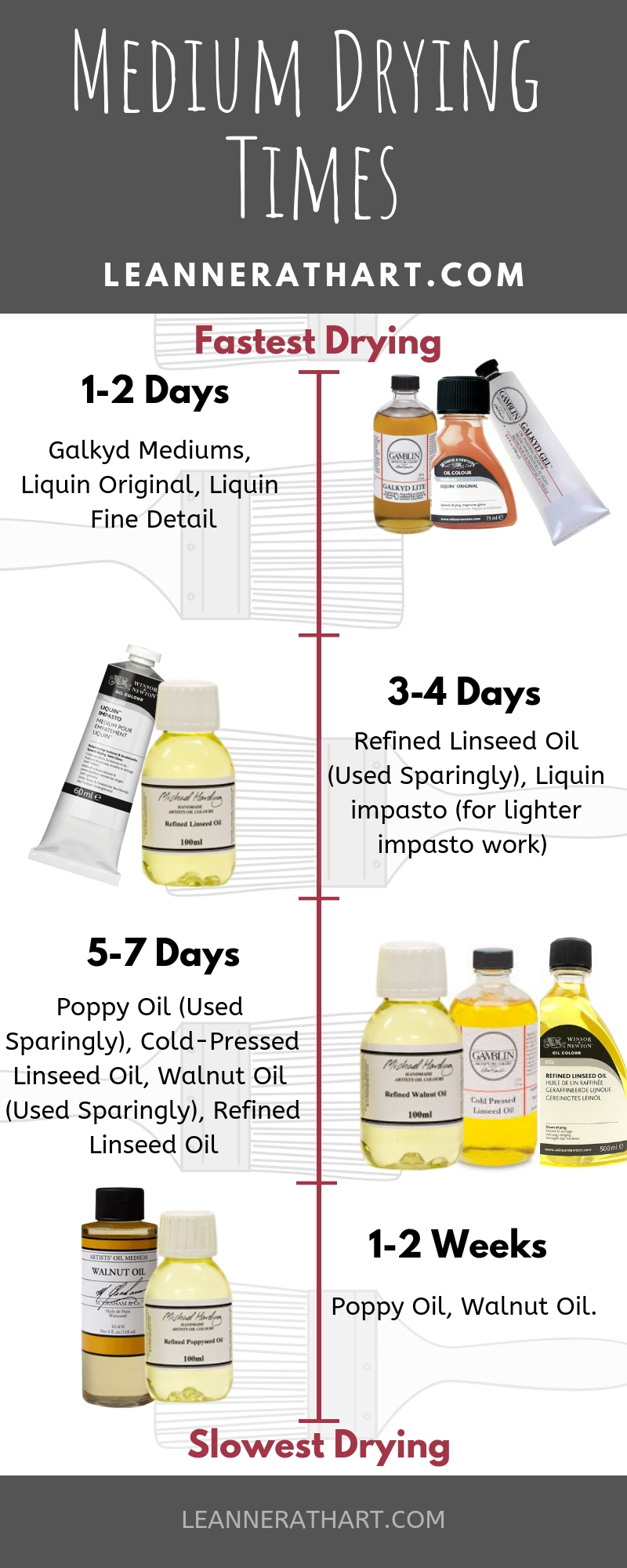
- Linseed Oil: The most traditional and widely used oil, linseed oil takes 3 to 5 days to dry to the touch, depending on the layer’s thickness.
- Walnut Oil: Often favored for its slower drying time and less yellowing, walnut oil can take about 7 to 10 days to dry.
- Poppy Oil: Remarkable for its low yellowing effect and quick drying properties, poppy oil dries faster, usually within 2 to 4 days.
3. Application Thickness
The manner in which paint is applied can drastically alter drying times. Thicker applications of paint, such as impasto techniques, can take weeks or even months to cure fully. Conversely, a more delicate, thin layer will dry sooner. Artists must balance between achieving their desired aesthetic and managing drying times effectively.
4. Environmental Conditions
Humidity, temperature, and airflow are crucial environmental factors that can expedite or hinder the drying process:
- Humidity: High humidity often slows down the drying process, as oil paint requires a moderate environment to cure correctly.
- Temperature: Warmer temperatures can accelerate drying times. Ideally, oil painting is best performed in a space between 70-80°F (21-27°C).
- Airflow: Proper ventilation can help reduce the drying time by facilitating the evaporation of solvents used in painting.
5. The Drying Stages of Oil Paint
It’s imperative to understand that drying occurs in stages:
- Initial Touch Dry: After approximately 24 hours, most oil paints will feel dry to the touch. However, this signifies only the initial drying stage.
- Skinned Over: In a few days, the surface will form a skin, preventing the paint beneath from drying effectively. This is where issues can arise if not managed well, such as suffocating the paint.
- Fully Cured: Complete curing can take much longer—ranging from weeks to months—depending on aforementioned factors. Artists should be patient, as paint cures from the outside in.
6. Methods to Accelerate Drying Time
For artists eager to reduce the time spent waiting for their work to dry, certain techniques can be employed:
- Additives: Specific drying mediums are available that can be mixed with oil paint to hasten the drying process. Look for linseed or poppy oil-based mediums.
- Exposure to Light: Ultraviolet light sources can promote faster drying through light catalysis, though care should be taken to avoid paint drying too fast, causing cracking.
- Thin Layers: Opting for thin applications rather than thick, impasto textures can significantly reduce drying times.
7. Managing Expectations
Artists should cultivate realistic expectations regarding drying times. It is prudent to account for environmental factors and paint types when planning projects. If an artist intends to layer colors, allowing sufficient time for each layer to dry will lead to better results and a more refined final piece.
8. Conclusion: Patience in the Craft
Understanding the drying time of oil paint is vital for successful artwork creation. Each factor, from the specific oil used to the application technique and environmental conditions, plays a role in how quickly a piece can be worked upon. By mastering these aspects, artists can navigate their creative processes more effectively, creating beautiful pieces with the patience and practice oil painting demands. Above all, embracing the natural timeline of oil paint can lead to astounding results, providing a sense of satisfaction and accomplishment.






Leave a Comment