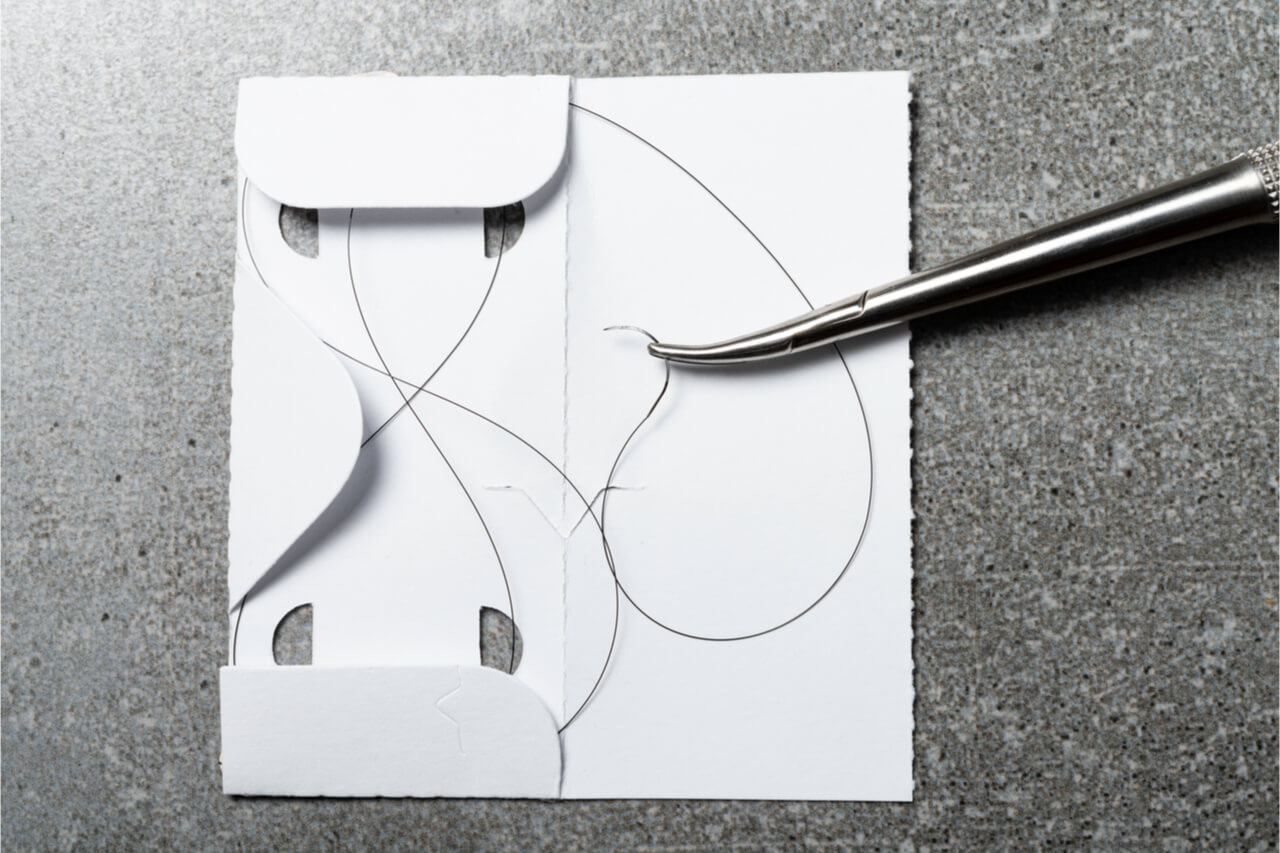
Understanding the dissolution of sutures is crucial for post-operative care, ensuring the healing process proceeds without complications. Patients often find themselves wondering how long it will take for their sutures to dissolve completely, and several factors can influence this timeline. In this article, we will delve into the types of sutures available, their dissolving timelines, and important considerations during the healing process.
1. Introduction to Sutures
Sutures, or stitches, are essential in surgical procedures for closing wounds or incisions. Made from various materials, sutures can be either absorbable or non-absorbable. Absorbable sutures are designed to dissolve over time, reducing the need for removal, while non-absorbable sutures require a follow-up visit for removal. Understanding the types of sutures and their properties can demystify the healing journey.
2. Types of Absorbable Sutures
The timeline for suture dissolution largely depends on the type of absorbable suture used. Here are some prevalent categories:
- Monofilament Sutures: These single-strand sutures, such as polygluconate or polydioxanone (PDS), are favored for their smooth passage through tissues. They typically dissolve within 90 to 180 days, making them ideal for internal suturing that needs prolonged support.
- Multifilament Sutures: Comprised of multiple filaments, these sutures offer enhanced strength and flexibility. Common examples include vicryl (polyglactin) and chromic gut. These sutures typically dissolve faster, ranging from 50 to 70 days, making them suitable for general soft tissue closure.
- Natural Absorbable Sutures: Sutures made from natural materials, such as catgut, dissolve through enzymatic processes. They are generally absorbed within 7 to 21 days, making them ideal for areas requiring quick healing, like mucous membranes.
3. Factors Influencing Dissolution Time
The duration for which sutures remain in place can fluctuate based on various factors:
- Site of Surgery: Sutures used on rapidly healing tissues, like the mouth or certain skin areas, may dissolve quicker than those used on slower-healing tissues, such as tendons.
- Moisture Levels: High moisture levels can accelerate the breakdown of absorbable sutures. Therefore, surgical sites that remain consistently moist might see faster dissolution times.
- Patient’s Health: Patients with certain health conditions or those undergoing medications, known to affect healing, may experience altered suture dissolution timelines. For instance, diabetes can slow healing and impact suture absorption.
- Inflammatory Response: An excessive inflammatory response can affect the integrity and breakdown of sutures. In cases of infection or abnormal inflammation, sutures might remain longer than intended.
4. Signs of Proper Healing
As sutures dissolve, it’s imperative to monitor the healing process. Look for the following signs to ensure everything is progressing as expected:
- Reduction in Swelling: A diminishing swelling around the surgical site often indicates that healing is underway.
- Color Changes in the Wound: Healthy healing should appear as a progressive change from red to a pinkish hue as new tissue forms.
- Suture Movement: It’s common for absorbable sutures to shift slightly as they begin to loosen. However, if you notice any severe shifts or protrusions, consult a medical professional.
5. Post-Operative Care
Taking appropriate measures during the healing phase is vital to ensure the proper dissolution of sutures:
- Follow Care Instructions: Adhere strictly to the post-operative guidelines provided by your healthcare provider. This includes caring for the wound and recognizing signs of infection.
- Minimize Strain: Avoid strenuous activities that could place undue stress on the wound, potentially hindering both healing and suture dissolution.
- Keep It Clean: Maintaining cleanliness at the site can prevent infection, which can prolong the presence of sutures and complicate recovery.
6. When to Seek Medical Attention
While most suture dissolutions proceed without issue, certain symptoms may require immediate attention:
- Infection Symptoms: Increased redness, warmth, swelling, pus, or fever could indicate an infection.
- Unusual Protrusion: If sutures are seen coming through the skin or if they seem unusually tight, seek help.
- Excessive Pain: Unmanageable pain that escalates can signal complications requiring evaluation.
7. Conclusion
Understanding how long it takes for sutures to dissolve is pivotal to managing post-operative care effectively. Various factors contribute to the timeline of suture absorption, including the suture type, location of the surgery, and individual healing responses. By taking proper care of surgical sites and heeding any signs of irregularities, patients can facilitate a smoother healing process, ensuring sutures serve their purpose efficiently. Remember, consultations with healthcare providers remain essential for clarifying any concerns regarding healing and suture dissolution. By staying informed, you are not only supporting your recovery but also enhancing your overall well-being.









Leave a Comment