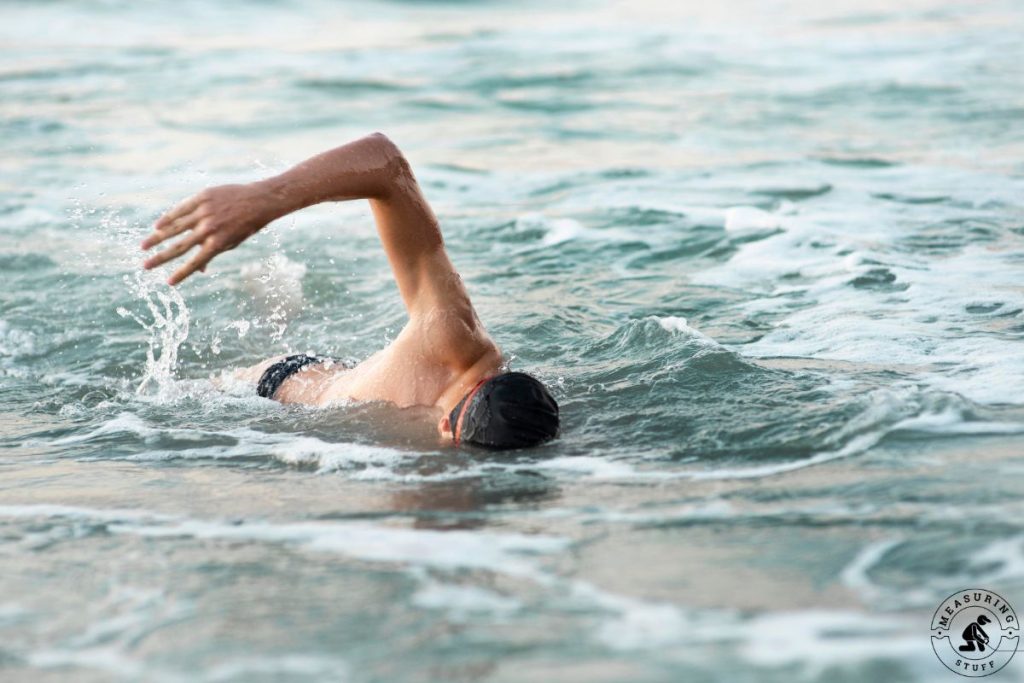
Swimming a mile is a formidable challenge that conjures up varied images—from serene laps in a tranquil pool to a grueling open-water marathon. The duration it takes to cover this distance can fluctuate tremendously based on numerous factors including swimming technique, fitness level, and the environment. Below, we delve into the intricate details influencing how long it may take to swim a mile, presenting a comprehensive guide for both enthusiasts and novices alike.
1. Understanding the Mile: Distances and Disparities
A mile measures approximately 1,609 meters. In swimming, this distance can be overwhelming to newcomers. However, experienced swimmers often find a sense of tranquility in repetitive strokes. The mile can be tackled in various formats—pool swimming, open-water swimming, or a combination of both—each presenting unique challenges and time implications.
2. Pool Swimming: The Controlled Environment
When swimming in pools, swimmers can experience a regulated atmosphere with consistent water temperature and lane markings, which often leads to improved performance. The average time it takes for a proficient swimmer to swim a mile in a standard 25-yard pool generally oscillates between 30 to 40 minutes. Competitive swimmers may complete the distance even faster, possibly under 25 minutes.
For recreational swimmers, reaching the mile mark might stretch to 50 minutes or more, especially if buoyed by the necessary breaks. Factors such as stroke efficiency, breathing patterns, and flip turns play a pivotal role in lowering the overall time.
3. Open Water Swimming: The Element of Nature
In stark contrast, open-water swimming presents a plethora of variables, including water temperature, wave conditions, and visibility. Experienced open-water swimmers might swim a mile in approximately 30 to 50 minutes. However, less experienced individuals may find themselves taking upwards of an hour or more, beset by fatigue and environmental distractions.
Moreover, navigation becomes a critical component in open-water settings. The inability to effectively sight and redirect can lead swimmers off course, extraneously increasing their swim time. Thus, mastery of swimming techniques and acclimatization to outdoor conditions are vital for efficient mileage recognition.
4. Influencing Factors: Fitness and Technique
The time it takes to swim a mile is profoundly affected by physical fitness and swimming technique. Swimmers who engage in regular training and conditioning often exhibit superior endurance and speed. For instance, individuals who participate in structured swim programs to develop cardiovascular health and muscular strength may discover their mile time improving dramatically over time.
Furthermore, stroke mechanics significantly affect distance swimming. Freestyle, the most popular stroke, allows for greater speed when executed with proper breathing techniques and rhythmic motion. Conversely, less efficient strokes, such as the breaststroke, may limit overall speed, pushing swim times further outwards.
5. Age and Experience: The Learning Curve
Age and experience also hold sway over swim times. Young swimmers tend to possess greater agility, yet they may lack endurance, leading to variability in distance times. Adult swimmers, particularly those with a history in competitive events, typically demonstrate improved proficiency. Additionally, many find that repetitive practice and commitment to refining skills lead to consistent improvements over time.
6. Warm-Up and Technique Refinement: Strategies for Improvement
To optimize swim times, swimmers should aim for an effective warm-up routine. This preparation diminishes the risk of injury while increasing overall performance. Stretching, moderate drilling, and gradually increasing speed during warm-ups help acclimatize the body for the intensity ahead.
Engaging a coach or joining a swim team can facilitate refinements in stroke technique and overall efficiency. Video analysis and feedback can pinpoint areas for improvement, ensuring progress and reducing overall swim time.
7. The Factor of Mental Fortitude
Swimming a mile is not solely an endeavor of physical capability; it embodies a mental challenge, too. Swimmers often cite mental resilience as crucial to maintaining pace and endurance. The psychological strategies employed—visualization techniques, goal setting, or mindfulness practices—can significantly enhance performance, fostering a sense of control that further minimizes swim times.
8. Swimming Accessories: Tools for Success
Utilizing swimming accessories, such as swim fins, paddles, and wetsuits, can also have a remarkable impact on swim efficiency. Fins promote greater propulsion, while paddles enhance upper body strength and stroke technique. Wetsuits, instrumental in open-water swimming, afford buoyancy and thermal protection, often resulting in shorter swim durations.
Conclusion: A Personal Journey
Ultimately, the question of how long it takes to swim a mile is one steeped in personal experience and varying factors. From the pool to open waters, the journey is not only about the measurement of time but about the development of skill, endurance, and a love for the sport. Aspiring swimmers are encouraged to set attainable goals and track their progress as they embark on their personal aquatic odyssey. Remember, it is not merely the clock that counts but the joy of gliding through the water and the sense of achievement that accompanies every mile swum.








Leave a Comment