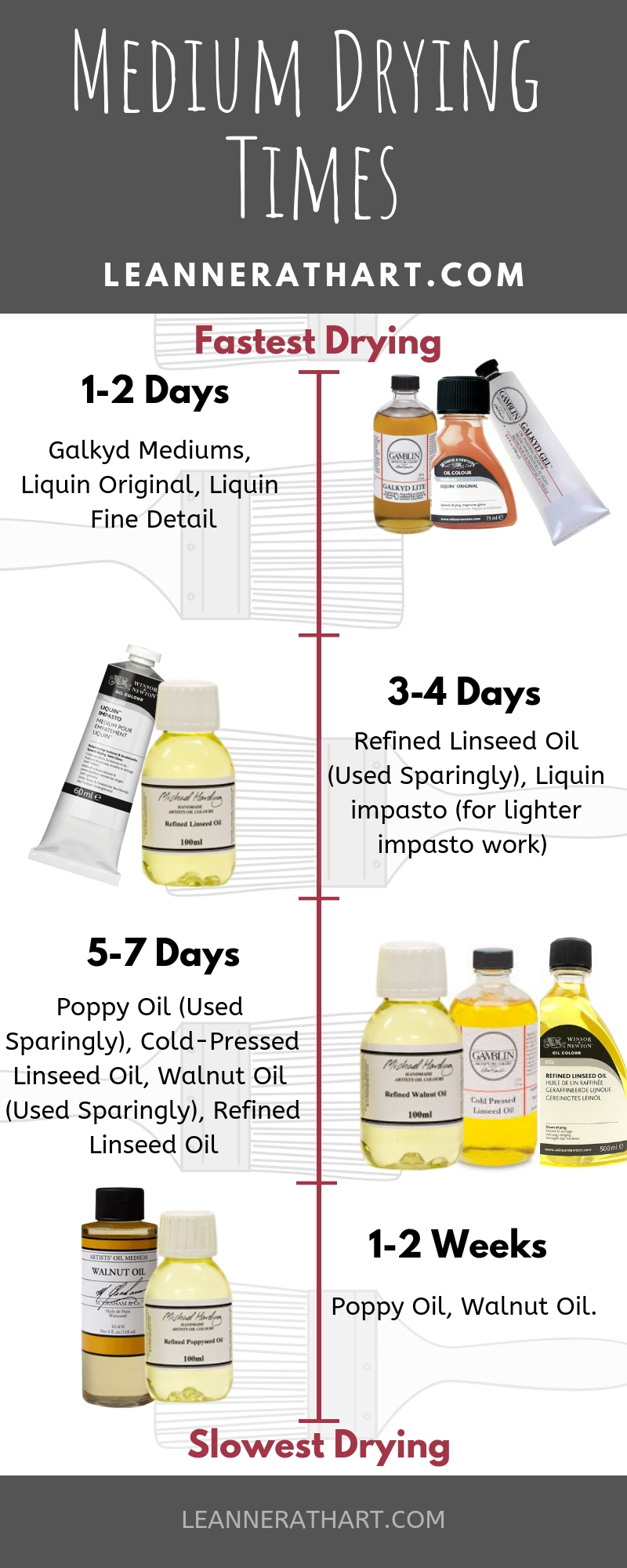
Oil paint is revered for its rich textures and vibrant hues, making it a favorite medium among artists. However, a common question arises for both novices and seasoned painters: How long does oil paint take to dry? The drying time of oil paints can be influenced by several factors, including the type of paint, the application technique, the environment, and the use of various mediums. This article delves into the intricacies of drying times, providing a comprehensive understanding of what you can expect when working with oil paints.
Understanding the Drying Process
Oil paint dries through a process known as oxidation. Unlike acrylic paints that dry via evaporation, oil paints harden as the oil component binds with oxygen in the air. This fundamental difference leads to varying drying times that can confuse newcomers. Typically, oil paints fall into three drying categories: fast-drying, medium-drying, and slow-drying.
Types of Oil Paint and Their Drying Times
When considering the drying times of oil paints, it’s crucial to recognize the distinctions between different brands and types of oil paints. Here is a breakdown of what you might encounter:
- Fast-Drying Oil Paint: Formulated with specific oils such as safflower or poppy seed oils, fast-drying oil paints can typically become touch-dry within 24 hours. However, complete curing may take several days to weeks, depending on the thickness of the application.
- Standard Oil Paint: Most traditional oil paints, like those made with linseed oil, will usually take about 1 to 2 days to become touch-dry but may remain workable for up to a week. Complete drying can take from several weeks to several months, especially for thicker layers.
- Slow-Drying Oil Paint: Artists seeking longer working times might opt for slow-drying oil paints, which can take several days to weeks for a skin to form. These paints are advantageous for blending and detailed work, although patience is a necessity as complete drying may stretch into months.
Factors Affecting Drying Time
The drying time of oil paint is not solely dictated by its composition; several external factors can substantially influence the process:
- Layer Thickness: Thicker applications of oil paint dry more slowly than thin layers. While washes can dry within hours, impasto techniques will often require extended drying periods due to their sheer volume.
- Temperature: The ambient temperature plays a pivotal role. Warmer environments—a balance between 70°F to 85°F (21°C to 29°C)—accelerate the drying process, while cooler temperatures may prolong it.
- Humidity Levels: High humidity can lead to increased drying times, as water molecules in the air can interfere with the oxidation process of the oils. Conversely, low humidity may expedite drying.
- Air Circulation: Good airflow can facilitate faster drying, as improved oxygen exposure aids in the oxidation process. Conversely, stagnant air can hinder the drying time.
- Mediums and Additives: Artists often utilize drying mediums, like alkyds or solvent-based additives, to alter drying times. A drying medium can significantly reduce the time it takes for paint to become touch-dry.
Practical Tips for Managing Drying Times
To optimize your painting experience, consider these practical tips to manage drying times effectively:
- Plan Your Layers: If you intend to work with multiple layers, ensure that each layer is adequately dry before applying the next. This practice not only aids in achieving desired textures but also diminishes the risk of smudging.
- Control Your Environment: If working indoors, keep the room temperature regulated and the humidity in check. A dehumidifier or a fan can work wonders in expediting drying time.
- Experiment with Mediums: Explore various mediums that suit your style. Some mediums facilitate faster drying without compromising the paint’s integrity, while others might improve flow and blending capabilities.
- Know Your Palette: Familiarize yourself with the drying attributes of the specific oil paints you are using. Keeping a record of how each color behaves in terms of drying time can be immensely beneficial.
Final Thoughts
Understanding the intricacies of oil paint drying times is essential for any artist looking to harness the full potential of this beautiful medium. While the factors do vary widely, an informed approach can help mitigate frustrations and enhance your painting experience. Whether you choose quick-drying formulas or the classic richness of traditional oils, patience combined with knowledge remains the artist’s most valuable tool in the creative process.







Leave a Comment