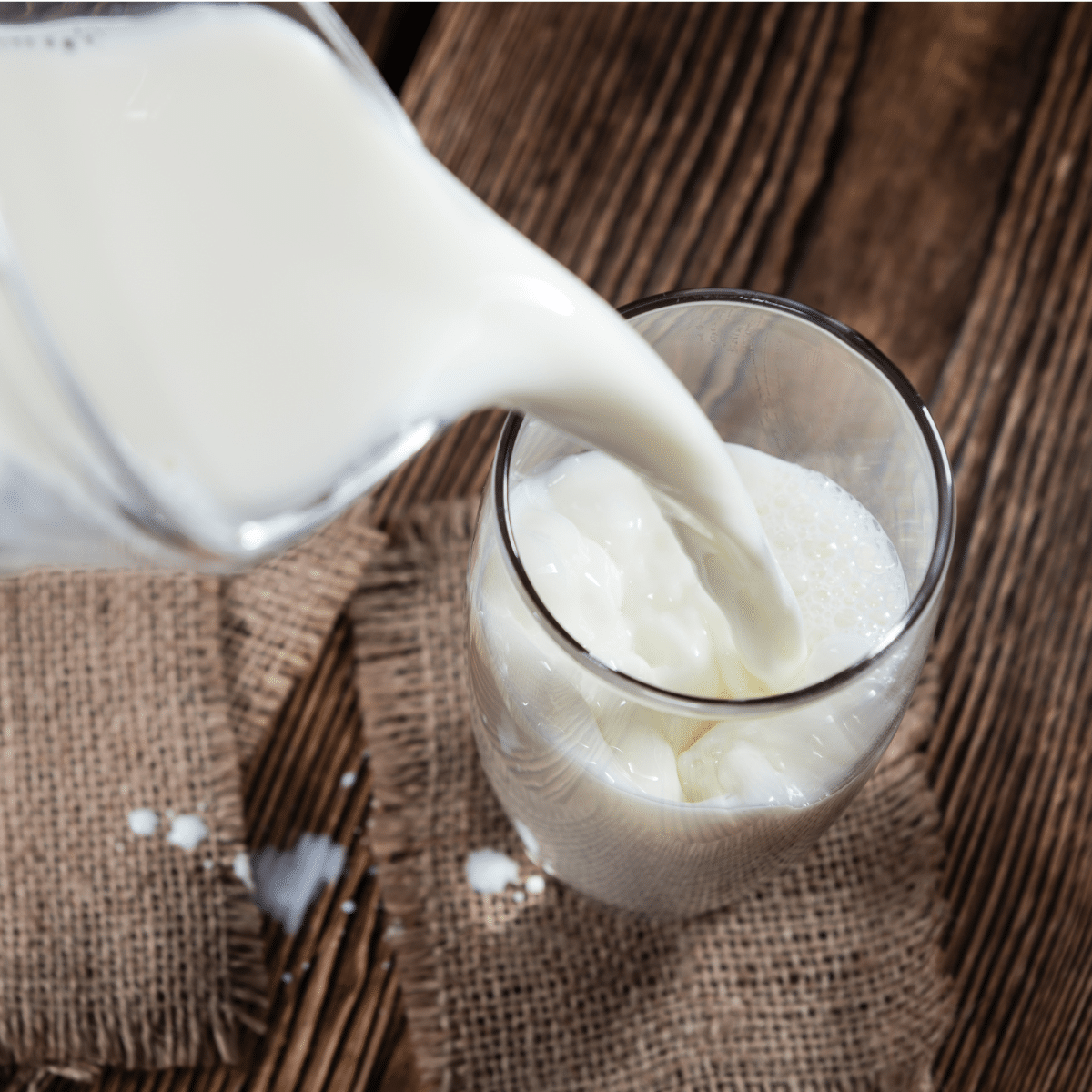
Raw milk, a liquid that flows from the udder unadulterated and pure, can be likened to a treasure chest filled with potential. Many people are captivated by its rich taste and nutrient profile, but there lies an essential question: how long does this liquid gold truly last? Understanding the shelf life of raw milk is crucial for anyone intrigued by its unique appeal.
Before embarking on its perplexing journey, it’s vital to note that raw milk, teeming with life, brims with beneficial bacteria and enzymes that contribute to its healthful properties. This microbiological symphony is also what makes its lifespan less predictable compared to its pasteurized counterpart. The longevity of raw milk is influenced by several elements, including temperature, container type, and initial microbial load.
Shelf Life Defined: The First Sips
The journey of raw milk begins right after it is collected. Freshly harvested raw milk, when stored correctly in a refrigerator, generally maintains its freshness for about **7 to 10 days**. This timeframe can be ambiguous, often resembling a shifting landscape awash with variations in individual preferences and practices. Keep in mind, those first tantalizing sips represent the onset of a countdown, where quality and safety hinge upon vigilant monitoring.
Temperature: The Cold Reality
The essence of preserving raw milk lies in temperature control. Like a fragile flower that wilts in heat, raw milk must be kept at or below **40°F (4°C)** to slow down bacterial proliferation. If stored at slightly higher temperatures, it may quickly lose its charm, transforming from a delightful drink into a noxious concoction ripe with spoilage. Conversely, freezing raw milk can extend its viability to weeks or even months, though this process may lead to textural changes when thawed. Truly, storing raw milk is an art, a delicate balance between nurturing its vitality and embracing its mortality.
Containers: The Guardians of Freshness
Just as a treasure needs a worthy chest, raw milk needs to be housed adequately. The choice of container plays a monumental role in determining its longevity. Glass bottles, offering an airtight seal, act as guardians that shield milk from oxidation and bacteria. Plastic containers, though convenient, may permit air infiltration, hastening decay. Hence, when contemplating storage options, select your vessel judiciously, much like choosing a protective cocoon for a delicate butterfly.
Initial Quality: The Seed of Longevity
Unlike a mere product churned out in factories, raw milk is a natural entity, and its lifespan can be considerably altered by its initial quality. Milk produced in a clean, sanitary environment, extracted from healthy cows, is less likely to contain deleterious bacteria. The story of raw milk’s journey begins long before it reaches your glass, with the health of the dairy herd and the circumstances of milking playing a pivotal role. It’s this foundation that significantly influences how long the milk will remain enjoyable and safe to consume.
Signs of Spoilage: The Tell-Tale Indicators
Attaining the ambrosial state of raw milk is unlike any fairytale; however, the descent into spoilage is tragically swift. As time ticks away, certain signs emerge that foreshadow impending doom. First and foremost, a sour odor may suddenly assault your senses, signaling an overgrowth of lactic acid bacteria. This olfactory alarmism is often accompanied by visual cues, such as a change in color or consistency. If the milk clumps or develops an off-putting sheen, it’s time to bid adieu to this once-beloved elixir. Becoming attuned to these indications is akin to honing a sixth sense; it allows the discerning drinker to experience raw milk’s utmost joys while deftly avoiding its perils.
Consumption Tips: The Joy of Freshness
To maximize the enjoyment of raw milk, consider engaging in consumption practices that honor its richness and vitality. Start by observing a “first in, first out” policy—consuming the oldest milk first, ensuring that nothing languishes in the back of the fridge unnoticed. Embrace creativity by incorporating raw milk into various culinary masterpieces—be it luscious smoothies, delightful cheeses, or even simply as a refreshing drink on its own. Each method of consumption offers a unique opportunity to savor the inimitable freshness of this highly coveted material.
The Bottom Line: A Journey Worth Undertaking
Ultimately, the journey of raw milk is multifaceted and intricate, echoing the complex interplay of nature and nurture. From its essential characteristics to the myriad factors influencing its shelf life, understanding how long raw milk lasts is vital for both preservation and enjoyment. Engaging with raw milk invites individuals to partake in a timeless practice that not only sustains but also delights. With prudent handling and acute awareness, this valuable commodity can provide nourishment and pleasure long after it’s drawn from the udder, allowing it to continue shimmering like a hidden gem in the bustling world of nutrition.
In the end, it’s not merely about how long raw milk lasts; it’s about cherishing the experience and the stories it holds, allowing every drop to become a testament to the beauty of living things.








Leave a Comment