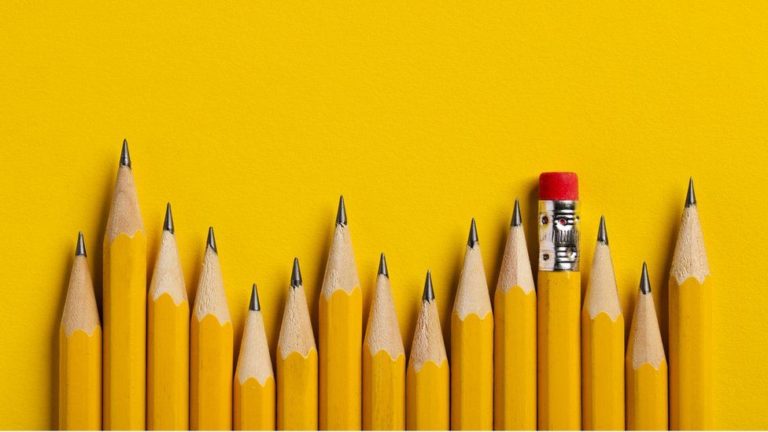
In a world dominated by digital screens and ephemeral communication, the humble pencil stands as a bastion of tactile creativity—a slender instrument that harnesses the power of graphite to give form to thoughts and imaginations. But how long is a pencil? This seemingly straightforward query opens the door to a deeper exploration of the pencil’s dimensions, its varied applications, and its symbolic significance in our lives. In this listicle, we will unravel the complexities of the pencil’s length while examining the intrinsic beauty of this everyday tool.
1. Standard Size: The Universal Length
The most ubiquitous pencil is typically 7.5 inches long—an dimensions that encapsulate a comfortable balance between portability and usability. This standard length is akin to a well-tailored suit, designed to fit a wide array of human hands and suit various modes of writing. The pencil’s length is not arbitrary; it has evolved from centuries of crafting and user feedback to become a perfect match for the average grip, enabling ease of movement as thoughts flow seamlessly onto the page.
2. Variations in Length: A World of Possibilities
However, not all pencils adhere to this archetype. Specialty pencils exist in myriad lengths, conveying specific artistic intents or practical functions. For example, colored pencils might be slightly shorter, about 6.9 inches, offering a more compact tool for artists who appreciate the ease of manipulation while adding strokes of color to their creations. Conversely, oversized pencils, often seen in promotional materials or as novelty items, may extend to 12 inches or more. These elongated writing utensils serve as playful representations of creativity, materializing the fantastical notion that size can indeed enhance one’s imagination.
3. The Anatomy of a Pencil: Measuring Length
Understanding how long a pencil truly is involves more than just numeric value; it’s about appreciating each of its components. The eraser, an often-overlooked appendage, can add an additional inch or so to the overall length while acting as a visual metaphor for both correction and vulnerability. Each pencil’s wood casing—typically cedar or lime—wraps around the graphite core and can vary slightly in thickness, further influencing the length from a tactile perspective. Hence, the pencil is not just an implement of writing; it embodies a multi-faceted identity.
4. Contextual Length: Function Over Form
The length of a pencil can also be contextual; its true essence morphs according to the task at hand. In a lecture hall, a longer pencil is advantageous, allowing for a confident grip that aids in jotting down notes with fluidity and speed. In contrast, a shorter pencil may shine in the delicate art of sketching, where precision and subtlety take precedence over length. Therefore, the measurement of a pencil transcends its physicality, responding dynamically to the environment it inhabits and the intentions of its wielder.
5. Symbolism of Length: More Than Just a Measurement
Beyond the realm of measurement and function, length also carries metaphorical weight. A pencil can symbolize potential and promise, reminding us that within its slender form lies the capacity to forge narratives, express feelings, and communicate ideas. The blank page acts as a reflective surface, inviting creativity to flow unimpeded from the tip of that pencil. Thus, the notion of “length” stretches to encompass the breadth of human expression—each inch serves as a metaphorical stepping stone in the journey of self-discovery.
6. The Cultural Significance: Pencils Through the Ages
The craftsmanship of the pencil has metamorphosed over centuries, signifying its cultural importance. In the Renaissance, paltry tools gave way to the invention of the modern pencil. This tool transformed the art of writing—length no longer denoted mere utility but became synonymous with enlightenment and creativity. The steady evolution from rudimentary graphite sticks to sophisticated mechanical pencils demonstrates society’s fluctuating relationship with both mediums and lengths of expression. Today, the pencil transcends mere functionality; it embodies a cultural artifact that speaks to generations.
7. Eco-Friendly Dimensions: Sustainability in Pencils
Recent years have witnessed a surge in eco-consciousness, leading to the emergence of sustainably-produced pencils that challenge traditional norms. These alternative designs often feature biodegradable materials or recycled components, resulting in variations in length and thickness. The eco-friendly pencil not only imbues a sense of responsibility but also invites users to contemplate the impact of each stroke they make upon the world, giving new meaning to the length of their writing instrument.
8. Concluding Thoughts: The Length of Possibility
As we ponder the question, “How long is a pencil?” it becomes evident that the answer is layered and nuanced. The pencil is far more than a mere object; it is a bridge between thoughts and the tangible world, an embodiment of creativity, and a testament to the enduring nature of written expression. Its standard length may serve as a point of reference, but the true lengths of what a pencil can achieve are boundless. Whether it resides in a child’s tiny hand or rests comfortably in the grasp of an accomplished artist, the pencil beckons us to unleash our imaginations. In doing so, we are reminded that the limits of our expression are not constrained by a mere measurement but are defined by the vastness of our creativity.






Leave a Comment