Scarves, those versatile and stylish accessories, can elevate any look, provide warmth, and adapt to varied occasions. Yet, one aspect often overlooked by enthusiasts and casual wearers alike is the crucial question of length. How long should a scarf be? The answer isn’t merely about function; it’s about embracing a world of style and individuality. In this discussion, we will navigate through the nuances of scarf lengths, transforming the way you perceive this often underappreciated garment.
1. Understanding Scarf Lengths: The Basics
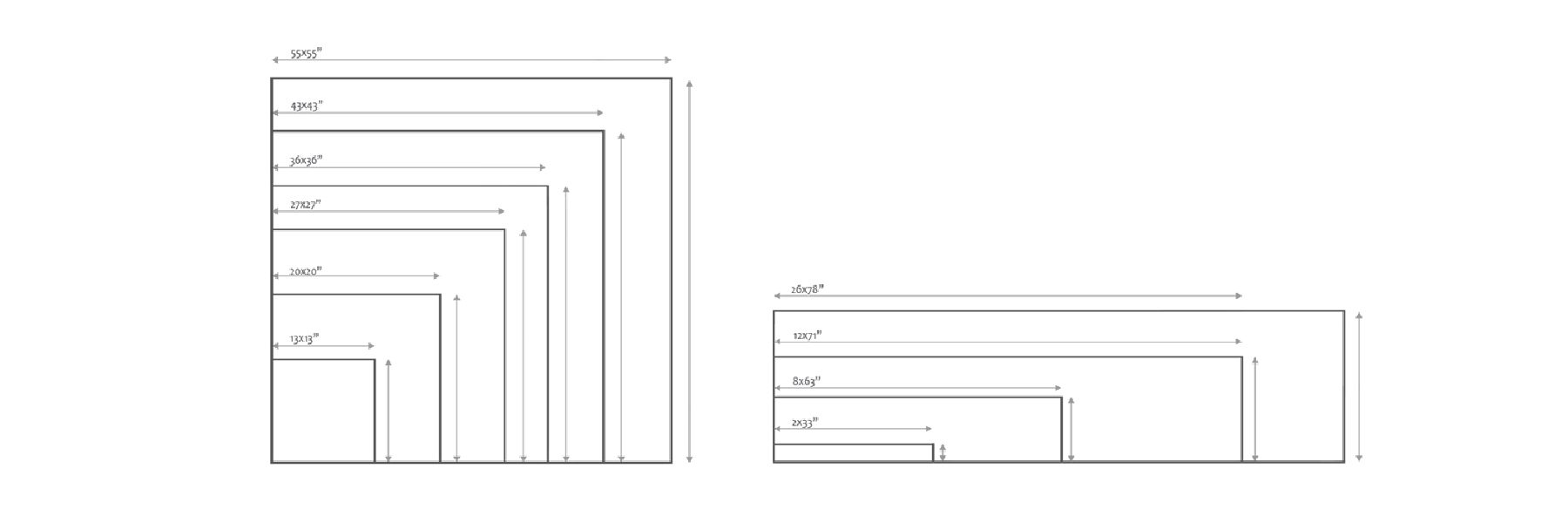
The standard scarf lengths range from about 54 inches to 78 inches. This variation allows for different styles and wrap techniques. However, the length you choose speaks volumes. Short scarves can give off a chic, stylish vibe, while longer versions can convey a sense of elegance and sophistication.
2. Personal Style: The Influence of Fashion Preferences
Your personal aesthetic plays a pivotal role in determining scarf length. A minimalist might gravitate towards a sleek, shorter scarf, one that effortlessly complements tailored outfits. Conversely, those who revel in bohemian flair may opt for an elongated scarf, which adds layers and intrigue to their attire. Consider your fashion narrative; does it whisper subtle sophistication or shout adventurous spirit?
3. Practical Considerations: Climate and Functionality
Environmental factors greatly affect scarf choice. In frigid temperatures, a longer scarf can be wrapped multiple times for warmth, while in milder climates a shorter scarf may suffice for style. Moreover, the material plays a vital role in functionality; thicker fabrics necessitate length for effective insulation, while lighter materials might not. Engaging with how a scarf interacts with your environment can shift your perspective on its utility.
4. The Art of Wrapping: Techniques and Trends
Embracing various wrapping techniques can redefine how a scarf’s length is perceived. Each style offers unique visual appeal and purposes. The classic loop, effortlessly chic yet functional, can work well with a shorter scarf. However, for dramatic flair that elongates the neck and adds sophistication, opt for longer ends that can cascade attractively over your shoulders. Engaging with different tying methods invites a fresh aspect of creativity into your wardrobe.
5. Body Type: Flattering Lengths for Everyone
Finding the right scarf length isn’t solely about fashion statements; it’s also about enhancing your silhouette. For shorter individuals, a scarf that is too long might overwhelm their frame. A length around the collarbone can elongate and create the illusion of height. On the other hand, taller individuals may embrace the drama of longer scarves, which enhance their stature, creating a more streamlined look. Lifesize proportion can dramatically influence style perceptions.
6. Occasion: Dressing for the Moment
Scarves can transition seamlessly from casual to formal occasions, dictated also by their lengths. For a corporate setting, a modest, tailored scarf may signal professionalism. Alternatively, for a night out, consider an expansive scarf that can be styled in innovative ways, creating visual interest. Understanding the context ensures that your scarf choice aligns with the occasion, manifesting an aura of appropriateness.
7. Cultural Influences: Diversity in Styles
The world of scarves is rich, with cultural interpretations enriching scarf lengths and styles. For instance, pashminas dictate longer, more flowing lengths, embraced in various ethnic attires, while French styles may favor short, crisp lines that reflect chic sophistication. Engaging with global trends enables you to appreciate diversity and allows for a refreshing take on your personal scarf preferences.
8. Seasonal Considerations: Year-Round Adaptability
Scarves can be wondrous year-round. In summer, lightweight, shorter scarves can evoke breezy sophistication — think silk or cotton. Come winter, reach for plush, longer options that offer warmth and style. Adapting your scarf choices to the seasons imbues your style with versatility, encouraging a dynamic wardrobe that shifts fluidly with the weather.
9. The Power of Color and Pattern: Length Versatility
The visual appeal of scarves extends beyond length into the realms of color and pattern. A longer scarf in a bold pattern can act as a statement piece, drawing attention and adding intrigue. In contrast, a shorter, solid-colored scarf may serve as a subtle accent to emphasize your outerwear. The interplay of length with color dynamics introduces a new dimension to how scarves can be perceived and styled.
In conclusion, the question of scarf length weaves together individuality, function, and style, transforming it into a multifaceted topic worthy of exploration. By considering the influence of personal style, practicality, occasion, and cultural significance, one can shift perspectives, embracing the endless possibilities scarf lengths offer. So take a moment to reflect on your scarf collection, and consider how you might use length not just as a measure, but as a catalyst for creativity in your fashion narrative.








Leave a Comment