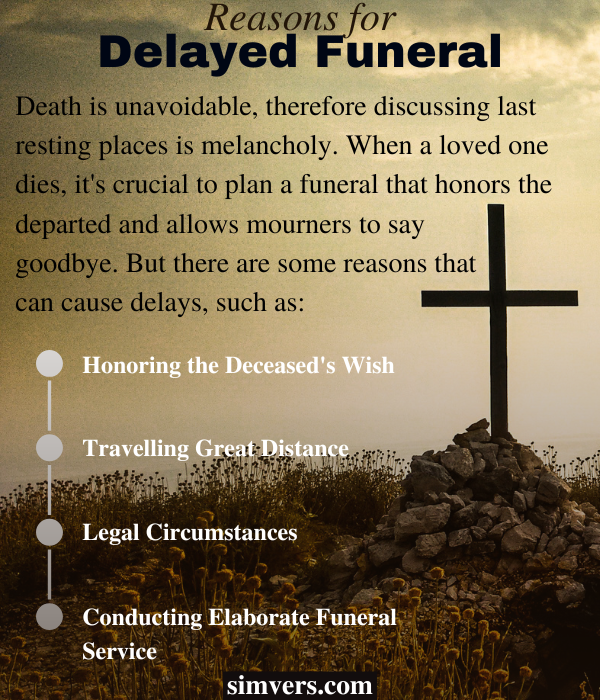
In the face of loss, the time between death and the funeral is often a topic steeped in tradition, emotion, and logistic necessity. This period can vary significantly based on a multitude of factors that reflect both cultural practices and the practicalities involved in arranging a respectful farewell. Understanding how long one typically waits to hold a funeral after death not only illuminates the process of grief but also reveals the societal norms surrounding death and memorial services.
1. Cultural and Religious Influences
The timing of funerals is deeply influenced by cultural and religious beliefs. For instance, many faiths dictate specific mourning periods and funeral practices. In Jewish tradition, funerals are usually held within 24 hours of death, dictated by the principle of honoring the deceased without delay. Conversely, in certain Christian denominations, particularly within more liberal interpretations, there may be a comfort in extending the wait for several days—up to a week—to allow family and friends to convene from afar, ensuring that proper goodbyes can be articulated.
2. Legal and Logistical Considerations
Another intrinsic factor influencing the timeframe is the legal and logistical landscape surrounding death. After a passing, various legalities must be addressed, such as obtaining a death certificate. The timeline for receiving this document can vary by jurisdiction, often impacting when families can proceed with funeral arrangements. Additionally, funeral homes have their schedules, availability, and the ability to secure necessary permits, which may contribute to a delay. This intermingling of legal and procedural contingencies underscores the complexity of orchestrating what is, in essence, a deeply personal event.
3. Preservation of the Body
The preservation of the body plays a pivotal role in determining funeral timing. In cases of sudden or unexpected death, the body may be required to undergo embalming, a process that can allow for a lengthier delay in proceedings; embalming preserves the body for several days, facilitating arrangements across geographic divides. Without this process, the quick deterioration of the body typically necessitates a swift transition to a funeral or memorial service shortly after death, compelling families to address their grief under time constraints.
4. Familial Dynamics and Grief
Family dynamics also profoundly affect the timing of funerals. The emotional landscape of grief can shape decisions about when to hold a service. In some instances, families may wish to hold off on a funeral to allow members to reconcile their feelings, engage in mutual support, or even to gather distant relatives. This period of waiting might serve an essential purpose, offering families time to collectively process the enormity of their loss, thus prompting support and connection that may be fleeting in the aftermath of an immediate funeral.
5. Practical Considerations
Logistical factors can also necessitate a postponement. Arranging travel for family and friends can take time, especially for those who reside far away. Additionally, if the deceased was notable or well-known, the funeral arrangements may draw an influx of attendees necessitating more elaborate preparations. Weather conditions, holiday seasons, or significant local events can further impact scheduling, elucidating how practical concerns often interlink with emotional ones.
6. Psychological Impacts
Psychologically, the waiting period can be a double-edged sword. For some, a prolonged gap between death and the funeral might lead to unresolved feelings or anticipatory anxiety about the event itself. Others may find comfort in having time to prepare emotionally and logistically, which can be critical for navigating the overwhelming nature of loss. Balancing these psychological implications becomes key in determining the right timeframe for a memorial, underscoring the poignant nuances of individual grief journeys.
7. Modern Trends and Changing Norms
In contemporary society, there is a discernible shift toward personalization in memorial services. This change often translates to more flexible timelines, allowing families to curate unique farewells that resonate with their loved ones’ personalities and wishes. The rise of alternative memorials, such as celebrations of life, may motivate families to extend the awaiting period. Rather than a somber event, these services often incorporate uplifting elements, thereby necessitating additional planning time.
Conclusion
The time between death and funeral is a tapestry woven with threads of culture, legality, personal preferences, and emotional responses. While traditional practices set a foundational understanding of this timeframe, it is essential to recognize the myriad influences that can extend or shorten the waiting period. Ultimately, whether out of practicality or sentiment, the scheduling of a funeral is less about rigid timelines and more about honoring the departed in a manner that befits their life, allowing friends and family to reconcile their grief with the meaningfulness of closure. Each family carves its own path, laden with love and respect, in the poignant journey through mourning to remembrance.










Leave a Comment