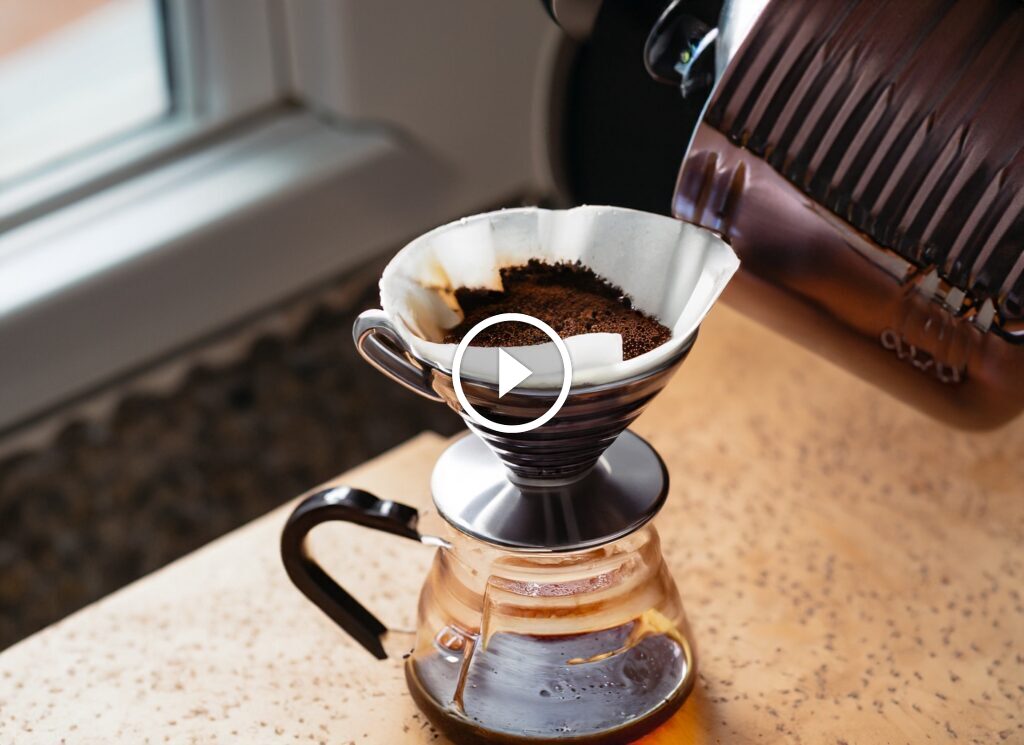
Ah, the art of brewing coffee! For many, it’s a cherished ritual, a daily dance around the kitchen counter with grinds and a pot. But as you juggle the water temperature, coarseness of the grind, and your mood, there arises a pivotal question: how long do you really need to percolate coffee to extract that perfect cup? This seemingly simple query invites a world of delightful complexity and, perhaps, a mischievous challenge. Let’s plunge into the nuances of this percolation process and unearth the keys to achieving a euphoric brew.
When you think of percolation, you might envision that rhythmic bubbling water and the invigorating aroma wafting through the air. But the journey to your ideal cup is paved with choices and variables. So, fasten your apron, and let’s explore the intricate world of coffee percolation!
1. Understanding Percolation: The Basics
At its core, percolation is a method of brewing that involves cycling boiling water through coffee grounds repeatedly until the desired strength is achieved. Unlike methods that extract flavor immediately, percolation allows for a prolonged interplay between water and coffee, leading to intricate flavors. However, the key to unlocking those flavors lies in the timing.
2. Rhythm of Time: Ideal Brewing Duration
The golden rule of thumb suggests a brewing time of five to seven minutes for percolated coffee. This duration strikes a delicate balance: brew it for too little time, and you risk ending up with an underwhelming, sour cup; brew it for too long, and you may inadvertently extract bitter compounds.
To explore this further, think of the perfect blend as a symphony. Just like a conductor ensures each instrument plays in harmony, you, too, must balance time with other elements, inviting a crescendo of flavors instead of cacophony.
3. The Dance of Temperature: Heating It Up!
Temperature is the secret accomplice to your brewing time. For a successful percolation process, the water should ideally hover around 200°F (93°C). This temperature imbues the coffee with layers of flavor and aromatic compounds. It’s undeniably tempting to crank up the heat for a speedy cup, but patience becomes your ally here. If the temperature rises excessively, the coffee may turn harsh, and bitterness may overshadow the comforting notes you seek.
Consider the analogy of a slow-cooked stew: let it simmer gently, drawing out flavors until everything melds together beautifully.
4. Selecting the Grind: The Coarseness Conundrum
As important as time and temperature, the grind size of your coffee beans dictates the extraction process. Coarser grounds appear more suitable for percolation since they enable the water to flow freely, minimizing over-extraction. Conversely, fine grinds lead to faster extraction and can exacerbate bitterness.
Imagine standing in an art gallery, contemplating an abstract painting. Each brushstroke represents the intricate relationship between grind size and brew time. The right grind adds depth and nuance to your final cup, allowing you to savor the subtleties of the coffee.
5. Experimentation: Cultivating Your Taste
Herein lies the challenge: the “ideal” brewing time will vary among palates and preferences. Some might relish a robust and bold cup, while others may favor a lighter, more mellow brew. As an aficionado, employ a playful spirit in your experimentation. Adjust the brewing time, tweak the coarseness of the grind, and don’t shy away from modifying the coffee-to-water ratio.
Keep a journal of your experiments. Notate the percolating times, ground sizes, and outcomes. This becomes your roadmap to discovering the right blend that resonates with your taste buds.
6. Observing the Brew: Signs of Perfection
While percolation largely hinges on timers, don’t underestimate the potency of your senses. The sound of bubbling, the rich aroma that fills the room, and the appearance of the coffee all serve as indicators. A coffee expert might denote that a perfect brew will exhibit a glistening sheen on its surface while exuding an intoxicating scent that dances through the air.
Engage with your coffee as an artistic endeavor. Let your senses guide you rather than simply adhering to a rigid timer. The goal is not just a beverage but an experience.
7. Final Thoughts: Cheers to Your Brew!
In the end, how long to percolate coffee is more than just a number; it’s a journey crafted by time, temperature, grind, and a touch of your unique taste. Each cup can be a celebration, a joyful exploration, laden with potential and richness. So next time you set forth to brew, ask yourself: what is the experience I wish to create today? Armed with your newfound insights, dive into the wonderful world of coffee percolation with audacity—a perfect blend awaits you!
May your adventures in brewing yield countless cups of inspiration and warmth! Here’s to the delightful exploration of each percolated drop!








Leave a Comment