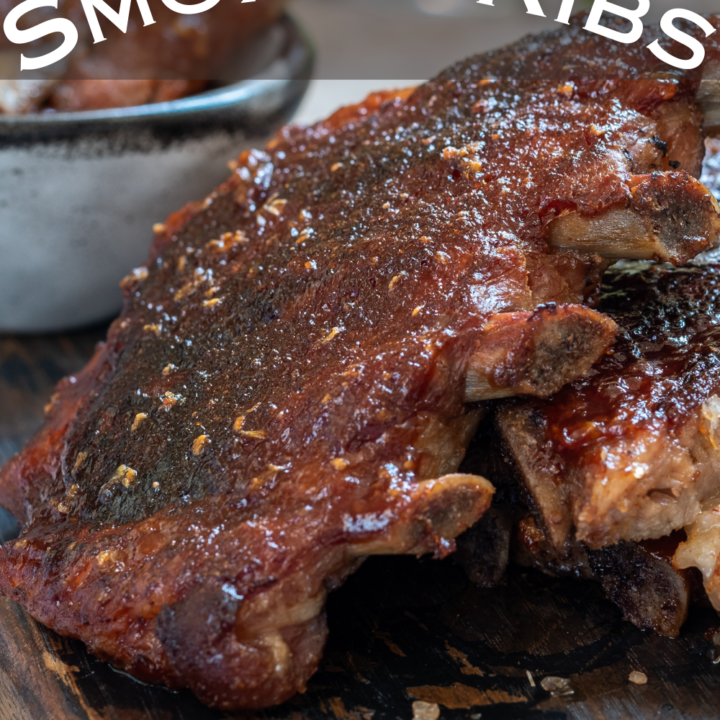
Smoking ribs is a culinary craft that has captivated the hearts, and taste buds, of millions. There’s something primal and satisfying about the process—the slow dance between smoke and meat yields flavors and textures that are nothing short of sublime. Yet, amid the tantalizing aromas and mouthwatering results, one question persists: how long does it really take to smoke ribs? This article delves into the intricacies of the smoking process, the various aspects influencing cooking time, and the enchanting allure of perfectly smoked ribs.
Understanding Rib Types
Before embarking on the smoking journey, it is essential to discern the various types of ribs available. The two most popular choices are baby back ribs and spare ribs. Baby back ribs are smaller, with a more subtle flavor and tenderness, while spare ribs are larger, meatier, and boast a robust taste. Each type requires a nuanced approach to smoking, underpinning the importance of understanding their unique attributes.
Smoking Time Basics
At the heart of the smoking experience lies the duration, which significantly influences the outcome. A general rule of thumb is that baby back ribs typically take around 4 to 5 hours to smoke, whereas spare ribs may necessitate 5 to 6 hours. These timeframes depend not solely on the type of ribs but also on the smoking temperature, which often hovers around 225°F to 250°F. However, perfecting the art transcends mere figures, as several factors conspire to create the ideal rib.
Temperature and Timing
Temperature control is paramount in the smoking process. A lower temperature allows for a slower cook, promoting a deep infusion of smoky flavor while maintaining tenderness. Conversely, a higher temperature may accelerate cooking time but risks compromising the overall texture. Many pitmasters swear by the ‘3-2-1 method’ for spare ribs: three hours of smoking unwrapped, two hours wrapped in foil, and a final hour back on the grill. For baby backs, these times may shift slightly, often utilizing a ‘2-2-1’ approach.
The Role of Wood Choice
The choice of wood is another factor that can subtly alter cooking times. Hardwoods such as hickory, mesquite, and applewood all impart distinct flavors, influencing how ribs absorb smoke during their lengthy cook. Each wood carries its own burning time characteristics, slightly affecting the overall time. Thus, understanding how your chosen wood interacts with time and temperature can lead to a more harmonious smoking experience.
Moisture and Wrapping Techniques
Maintaining moisture is crucial in ensuring ribs do not dry out, especially when subjected to long hours of smoke. A prevalent practice is to wrap the ribs in aluminum foil, a technique that seals in moisture while also accelerating the cooking process. This method, however, must be balanced with the need for a proper bark—an essential outer crust that contrasts beautifully with the tenderness of the meat. Judiciously navigating the interplay between moisture and air is vital for achieving ribs that are both succulent and flavorful.
Tester Techniques
Determining doneness transcends the mere notion of time. Experienced cooks often rely on a variety of testing methods. The “bend test” serves as a tactile guideline, where ribs are lifted by one end and should bend slightly, indicating proper tenderness. Another method includes the skewer test, where a sharp tool slides effortlessly through the meat, suggesting it is perfectly cooked. Incorporating these techniques into the subjective experience of smoking allows for an intangible connection between the cook and the craft.
Resting for Perfection
Once you’ve achieved glorious, succulent ribs, don’t rush the feast. Allowing them to rest for at least 30 minutes post-smoking is a vital step that should not be overlooked. Resting enables the juices to redistribute, ensuring each bite is saturated with flavor. It’s an essential pause that transforms your hard work into an extraordinary culinary experience, enhancing enjoyment for everyone at the table.
Exploring Flavor Enhancements
The enchanting world of seasoning and marination enhances the smoking process. A simple rub of salt, pepper, and paprika can work wonders, but the possibilities are immense. Marinades, brines, and more complex seasoning blends introduce aromatic complexities, allowing for a distinct flavor profile that reflects individuality in your cooking style. Experimentation here is a delightful pursuit, offering yet another facet to the smoking journey.
Enjoying the Experience
Ultimately, the act of smoking ribs transcends mere cooking; it’s an experience steeped in tradition, community, and creativity. Whether you are a novice eager to learn or a seasoned pitmaster honing skills, the journey—both in preparation and execution—is a celebration of culinary joy. Every hour spent checking temperatures, experimenting with flavors, and eagerly anticipating that first bite deepens the appreciation for good barbecue and those cherished moments with family and friends.
As you embark on the quest to smoke ribs, the time you invest is not merely a measurement of minutes and hours, but a manifestation of passion and artistry. Understanding how long to smoke ribs is crucial, but embracing the full experience of flavor, technique, and community ultimately defines what makes smoking such a revered and time-honored practice. Welcome to the fascinating world of smoked ribs, where each bite tells a story.






Leave a Comment