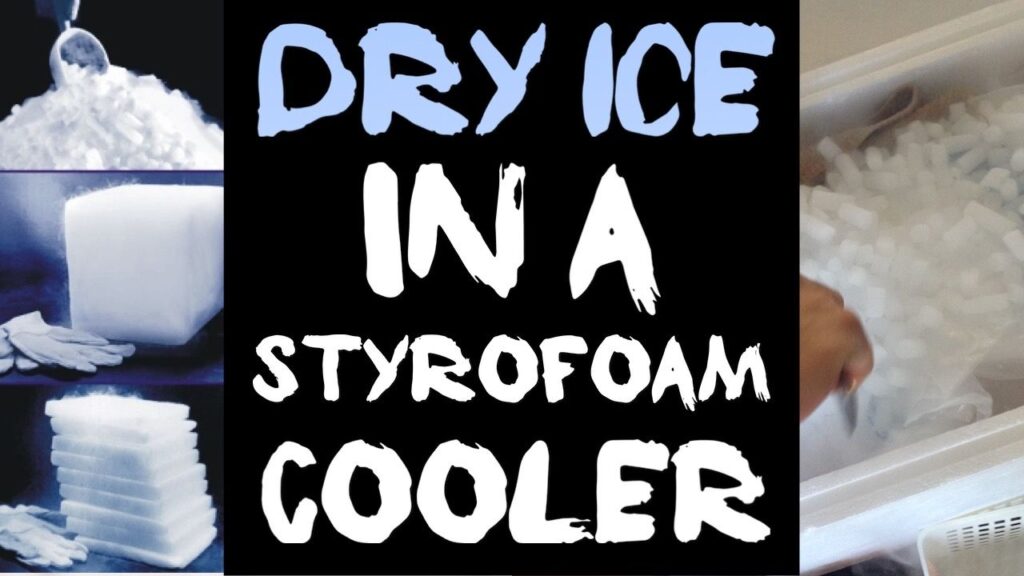
When it comes to keeping perishable items cold, dry ice has long been hailed as an efficient and versatile solution. This solid form of carbon dioxide sublimates, transitioning directly from a frozen solid to carbon dioxide gas, providing an extraordinarily low temperature that can keep food and beverages chilled for an extended period. However, understanding the factors that influence the longevity of dry ice in a cooler is paramount for anyone planning a camping trip, tailgate party, or long-distance transport of temperature-sensitive goods. Here’s an extensive look at how long dry ice will last in a cooler, considering various aspects such as types of coolers, ambient temperature, the amount of dry ice used, and specific usage tips.
1. The Basics of Dry Ice and Cooler Dynamics
Before delving into specifics, it’s essential to comprehend the basic characteristics of dry ice and its interaction with coolers. Dry ice is approximately -109.3°F (-78.5°C) and is considerably colder than regular ice. This drastically lower temperature means that dry ice sublimates rapidly in warmer environments. When used in a well-insulated cooler, the dry ice can maintain a frigid atmosphere conducive for food preservation, but its longevity will depend significantly on the cooler’s quality and insulation efficiency.
2. Types of Coolers
The type of cooler you choose has a profound impact on how long dry ice will last. Coolers can be broadly categorized into three types:
- Hard-Sided Coolers: These are typically more insulated and can retain cold temperatures for longer periods. High-quality hard-sided coolers can extend the life of dry ice to 2-3 days, sometimes even longer, depending on environmental factors.
- Soft-Sided Coolers: While more portable and lightweight, soft-sided coolers have less insulation and tend to leak cold air more rapidly. In such cases, dry ice may last only 12-24 hours.
- Thermoelectric Coolers: These utilize electricity to maintain consistent temperatures. However, when using dry ice in these coolers, the longevity can range widely based on usage and power source.
3. Ambient Temperature Influences
The external environment plays a critical role in determining how long dry ice will last. Higher ambient temperatures lead to faster sublimation rates. For example, on a sweltering summer day, dry ice may sublimate in as little as 10-12 hours; conversely, in cooler weather, it may linger for 24-48 hours or longer. Planning your usage around environmental conditions can extend the efficacy of dry ice.
4. Quantity of Dry Ice
The amount of dry ice employed is directly proportional to its longevity in a cooler. A general guideline is to use 5-10 pounds of dry ice for every 24 hours of cooling required. If the cooler is filled with food and beverages, using more dry ice will help extend the cooling duration. However, packing the cooler properly to ensure maximum efficiency is equally crucial. For example, placing dry ice at the bottom, with items above it, allows for optimal cold distribution.
5. Packing Techniques
Packing strategies can either maximize or minimize the life of dry ice in a cooler:
- Layering: Create layers of dry ice and items you want to keep cool. Consider putting a cardboard or foam barrier between the dry ice and food to prevent frostbite.
- Avoiding Air Spaces: Fill any empty spaces in the cooler with crumpled newspaper or towels to minimize air circulation, which can accelerate sublimation.
- Keep it Closed: Limit the frequency of opening the cooler. Each time it is opened, cold air escapes and warm air enters, hastening the sublimation process.
6. Safety Precautions
Working with dry ice requires certain safety considerations. Always handle dry ice with protective gloves to prevent skin burns. Ensure that coolers with dry ice are well-ventilated; the sublimation of dry ice produces carbon dioxide gas, which can be hazardous in confined spaces. Finally, if transporting dry ice in vehicles, keep the compartment slightly open to ensure proper gas ventilation.
7. Indicators of Dry Ice Usage
Understanding when to replace dry ice can help in prolonging its effectiveness. As dry ice converts to carbon dioxide gas, you may notice a reduction in cooling effect. Signs that it is time to replenish your supply include a sharp decrease in temperature within the cooler or the presence of condensation on the cooler’s surfaces.
Conclusion
Understanding how long dry ice lasts in a cooler can significantly enhance your outdoor experiences and events. By considering the type of cooler, the ambient temperature, the amount of dry ice used, and proper packing techniques, you can optimize the longevity of your dry ice. Always remember to be mindful of safety precautions when handling this extraordinary substance. By following these thorough guidelines, you can ensure that your food and beverages remain fresh and cool, making your adventures even more enjoyable.







Leave a Comment