How Long Will Nicotine Be Detected In Urine After Vaping
In the nebulous realm of nicotine consumption, where clouds of vapor dance and intertwine, the inquiry often arises: how long can nicotine linger in the body after indulging in the ephemeral pleasures of vaping? Just as the wisps of smoke dissipate into the ether, so too does nicotine, but its trace can remain in your biological framework for a notably prolonged duration. This exploration delves into the various factors influencing nicotine detection in urine, transforming raw data into a vivid tapestry of understanding.
Understanding Nicotine Metabolism
In the drama of human biology, nicotine plays a lead role as a potent alkaloid derived from the tobacco plant. Once introduced into the bloodstream, it embarks on a swift journey, primarily undergoing metabolism through the liver, where it is converted into several metabolites, including cotinine. This transformation is akin to a chameleon changing its colors, adapting with mesmerizing agility as it shifts from one form to another. Notably, cotinine is the primary metabolite tested for in urine, serving as a fingerprint of nicotine ingestion.
The Duration of Detection
When vaping, nicotine’s presence in urine can persist for various durations, shaped by numerous factors. Generally, nicotine can be detected in urine for up to four days after usage. However, this timeframe can be significantly influenced by a myriad of elements:
- Frequency of Use: Just as a well-trodden path becomes clearer with frequent footsteps, so does the buildup of nicotine in the body increase with consistent use. Regular vapers may find that nicotine and its metabolites linger in their system longer than occasional users.
- Metabolic Rate: Each body constitutes a unique biochemical orchestra, with metabolism being the conductor. Factors such as age, health status, and genetic predisposition can alter the tempo of nicotine processing. Faster metabolisms will generally clear nicotine more swiftly than slower ones.
- Hydration Levels: Water serves as a necessary solvent, flushing metabolites from the body. Dehydration may prolong the presence of nicotine in urine, akin to how stagnant water retains debris, while hydration promotes a clearer flow.
- Body Mass Index (BMI): Individuals with higher body fat percentages may experience a slower nicotine clearance, as nicotine is lipophilic, meaning it seeks refuge in fatty tissues like a secret hideaway.
Vaping Devices and Their Nicotine Content
Just as the ink used in a painter’s palette affects the final canvas, the type of vaping device also impacts nicotine absorption and retention. Devices like pod systems, which release a higher concentration of nicotine in smaller puffs, may lead to greater overall nicotine exposure compared to sub-ohm devices that produce vapor more voluminously but may have lower nicotine concentrations. The potency of the e-liquid plays a pivotal role, with higher nicotine concentrations yielding higher levels of the substance retained within the body.
Testing Methods: The Unveiling of Metabolites
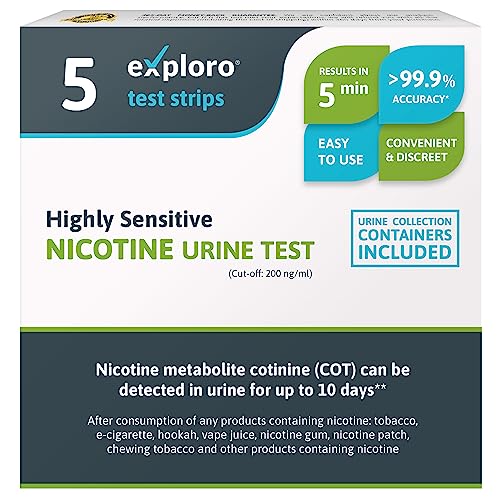
Urinary analysis is the most common method for detecting nicotine presence, yet it is pivotal to distinguish between types of tests. Most home tests look for cotinine rather than nicotine itself. While nicotine may vanish within a couple of days post-consumption, cotinine can last much longer, setting the stage for a prolonged detection window of up to two weeks in some instances. This divergence in detection offers a deeper understanding of how the body handles the aftermath of nicotine intake.
Withdrawal Symptoms and Psychological Cravings
The question of detection does not merely reside in the realm of biology; it intertwines with the psychological fabric of addiction. As nicotine permeates the system, the body may begin to crave more, creating a cycle where detection and withdrawal symptoms spiral into an intricate dance. This craving can create a lingering urge long after the substance has cleared, as the body yearns for a repeat performance of nicotine’s euphoric effects.
Conclusion: The Ephemeral Yet Enduring Nature of Nicotine
Vaping, with its alluring vapor clouds and perceived relaxation, often masks the intricate realities of nicotine metabolism. The transient nature of vapor belies the more persistent traces of nicotine that linger in the system, highlighting the complex interplay between consumption habits and biological processing. With detection times varying from days to weeks based on individual metabolic factors and vaping habits, one must tread thoughtfully in this smoky labyrinth. Understanding the duration and implications of nicotine’s presence in urine not only clarifies the body’s reaction to this substance but also reinforces the gravity of informed choices in the pursuit of personal well-being.









Leave a Comment