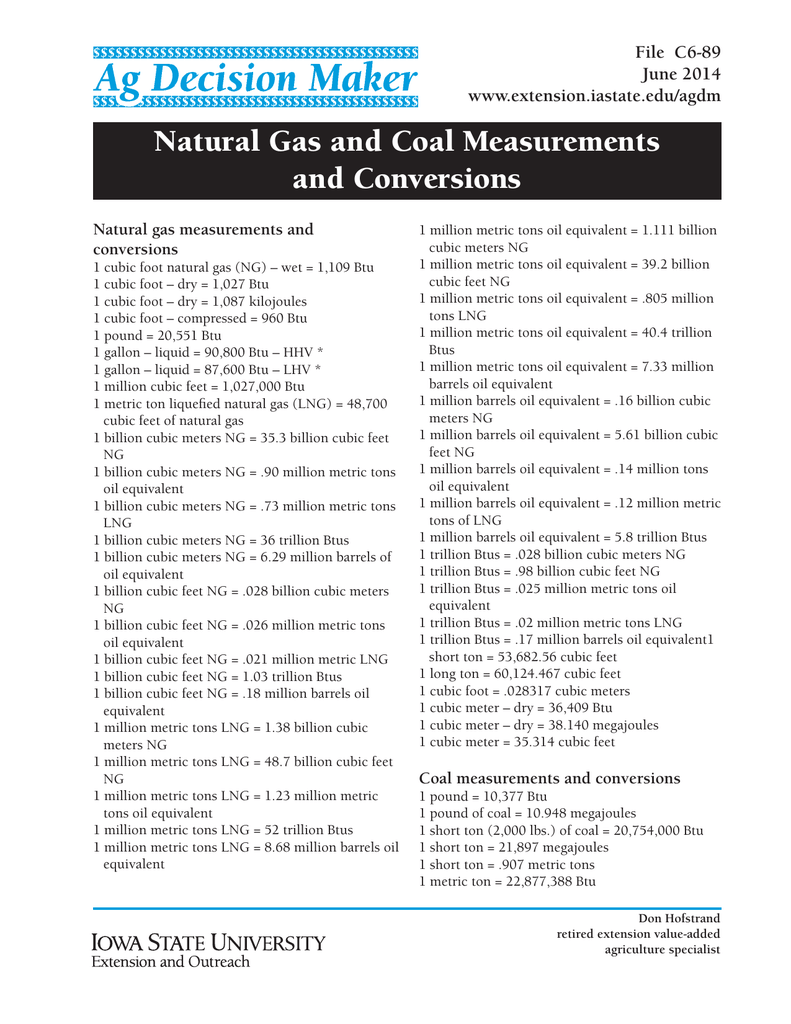
When it comes to the world of heating and cooling, the term “BTU” is as vital as the compass to a sailor lost at sea. The British Thermal Unit (BTU) quantifies the energy required to alter the temperature of one pound of water by one degree Fahrenheit. Among the various metrics that help us gauge the efficacy of HVAC systems, the question of how many BTUs are in a ton emerges as a crucial focal point. To navigate this labyrinthine subject, one might liken BTUs to the wings of a majestic eagle, soaring high and empowering the very mechanisms that keep our environments comfortable.
In the realm of air conditioning, a ton is more than mere weight—it serves as a specific measure of energy transfer capability. To grasp the intricacies of BTUs in relation to tons, it is imperative to first comprehend the foundational relationship: one ton of cooling power translates to the ability to remove 12,000 BTUs of heat from a space every hour. This remarkable relationship crystallizes the concept that every time air conditioning units engage, they engage in a silent battle against the relentless advance of heat.
Understanding this interplay begins with a historical context. The ton, originally a term used to describe the weight of ice required to cool a space, finds its roots in an era when the cooling capabilities of large blocks of ice were paramount. Fast forward to modern cooling technology, and this measurement translates to the latent energy exchange at play as these machines strive to maintain equilibrium in fluctuating temperatures.
When delving deeper into this intricate concept, visualize a bustling marketplace. Each vendor represents a BTU, vying for the attention of passersby. To adequately serve the lively crowd—a room full of occupants—one must effectively manage not just the number of vendors (BTUs) but the space they encompass (the ton). In essence, a ton serves as both an anchor and a scale, measuring the cumulative impact of these energetic forces.
The necessity for an understanding of BTUs in a ton becomes increasingly significant when selecting appropriate HVAC systems for various environments. A residential setting might require different capacities compared to a commercial establishment, and correctly interpreting this relationship between BTUs and tons ensures efficiency. Selecting a system that is either over or under the required capacity could lead to discomfort as well as financial implications, much like a ship that struggles against the currents due to a miscalibrated helm.
Consider the implications of sizing your air conditioning system correctly using the BTUs in a ton metric. For instance, if one can quantify the heat load of a room—considering factors like occupancy, the presence of electronic devices, and sunlight penetration—then determining the necessary tonnage becomes child’s play, akin to piecing together an intricate puzzle. An underperforming unit, much like a weary traveler carrying too heavy a load, will fail to provide the comfort needed, resulting in increased humidity and fluctuating temperatures.
Conversely, an oversized system can be overly aggressive, creating an environment akin to a tempest in a teapot, leading to short cycling. This phenomenon interrupts the natural exchange of air that takes place in a structure, preventively stifling the overall effectiveness of the unit and possibly fostering an inefficient atmosphere.
Now, let’s traverse the landscape of BTUs further. The relationship between cooling capacity and energy consumption is also essential, as energy bills can swell insatiably when systems operate inefficiently. Understanding the precise BTUs associated with the tonnage of an air conditioning unit allows for an astute grasp on energy savings and expenditure. Navigating such waters requires strategy and awareness, ensuring the choices made today yield comfort in a sustainable manner long into the future.
Moreover, local climate variables play a monumental role in the equation of BTUs to tons. A location characterized by sweltering summers would necessitate a more robust BTU measurement per ton, ensuring that the systems installed rise to the occasion. Conversely, temperate climates may find their requirements leaner. In this way, the interplay between geographical nuances and the intensity of required cooling shapes one’s overall strategy for creating a comfortable oasis within walls.
As the conversation circles back to the relationship of BTUs in a ton, it’s evident that this knowledge is not merely academic—it’s a practical tool, guiding individuals and businesses alike towards optimal comfort. When the inevitable swell of summer heat approaches, understanding this concept simplifies the selection process of HVAC systems. This understanding, like a well-crafted map, offers clarity and direction in what may otherwise feel like an overwhelming journey.
Ultimately, appreciating the dynamic translation of BTUs within the framework of tons wrests power from the complexities of air conditioning systems. It’s a matter of harmonizing emotional well-being with technical knowledge, creating spaces that are not only livable but also invigorating. Just as an eagle soars with purpose, so too can our understanding of BTUs allow us to navigate the climate-controlled environments we inhabit, leading us to comfort and tranquility amid life’s fluctuating temperatures.










Leave a Comment