Fuses serve as the safeguarding sentinels of our electrical systems, preventing excess current from wreaking havoc on our homes. But, when it comes time to replace or remove fuses, how many should one remove at one time? This query stems from practical considerations and safety concerns, but an underlying intrigue lies in the operation and peculiarities of electrical systems. There exists a nuanced interplay between convenience, safety, and curiosity that creates a deeper appreciation for these unassuming devices.
Before delving into specifics, it is essential to understand the anatomy and role of fuses. A fuse is an electrical device that protects circuits by melting when the electrical current exceeds a designated threshold. By interrupting the flow of electricity, fuses prevent damage to wiring and connected devices, thus safeguarding against potential fire hazards. Their seemingly mundane presence often belies the critical function they provide within the electrical infrastructure of a home.
With this foundational knowledge in mind, let’s explore how many fuses may be judiciously removed at one time, and the myriad factors influencing this decision.
1. Understanding the Circuit Design
To answer the question adequately, one must first understand the layout of the electrical circuits. Homes may contain multiple circuits, each serving different areas or functions. Removing fuses from circuits that serve critical systems—like heating, cooling, or refrigeration—could inadvertently lead to greater problems if multiple fuses are removed simultaneously. Therefore, take heed of the circuit design and the implications of fuse removal.
2. Evaluating Load Capacity
When contemplating how many fuses to remove at once, consider the load capacity of your electrical system. Each circuit is designed to handle specific loads dictated by the amperage rating of its fuses. For example, in a residential setting, a 15-amp circuit typically powers lightweight appliances or lighting fixtures. Removing several fuses that share a common circuit might lead to overloads elsewhere, undermining the entire system. Assess the load each circuit carries before proceeding.
3. Safety Protocols and Best Practices
Adhering to safety protocols is paramount when working with electrical components. It might seem tempting to remove several fuses for expedience, especially during maintenance tasks. However, best practices dictate that only one fuse should be removed at a time to ensure safety and minimize confusion. By isolating circuits individually, you can better manage any issues that arise and protect yourself from potential electrocution or short-circuits.
4. Consideration of Disruption
Each time a fuse is removed, there exists the potential for disruption. The act of removing multiple fuses can momentarily plunge large sections of a home into darkness, rendering it inconvenient for occupants. Therefore, in a household setting, it’s prudent to evaluate how many fuses can be removed without causing undue disturbance. Eliminating a sense of chaos during maintenance is just as critical as the mechanical aspects.
5. The Role of Circuit Breakers and Alternatives
In modern electrical systems, circuit breakers have largely supplanted fuses but operate on similar principles. These devices can often be reset rather than removed, providing a distinct advantage in terms of user accessibility and safety. If your system is equipped with circuit breakers, this alters the considerations altogether. In such cases, it may be reasonable to reset multiple breakers simultaneously, as opposed to fuses, which would necessitate a more conservative approach.
6. Spatial Constraints and Accessibility
The physical location of fuses will also inform the decision-making process. In some older homes, fuse boxes may be tucked into corners or installed in less accessible areas, making the removal of multiple fuses cumbersome. Alternatively, if the fuses are conveniently located, it may be easier to toggle them individually. Assess the ergonomic implications of work area accessibility and adapt the approach accordingly.
7. Potential for Overcurrent Scenarios
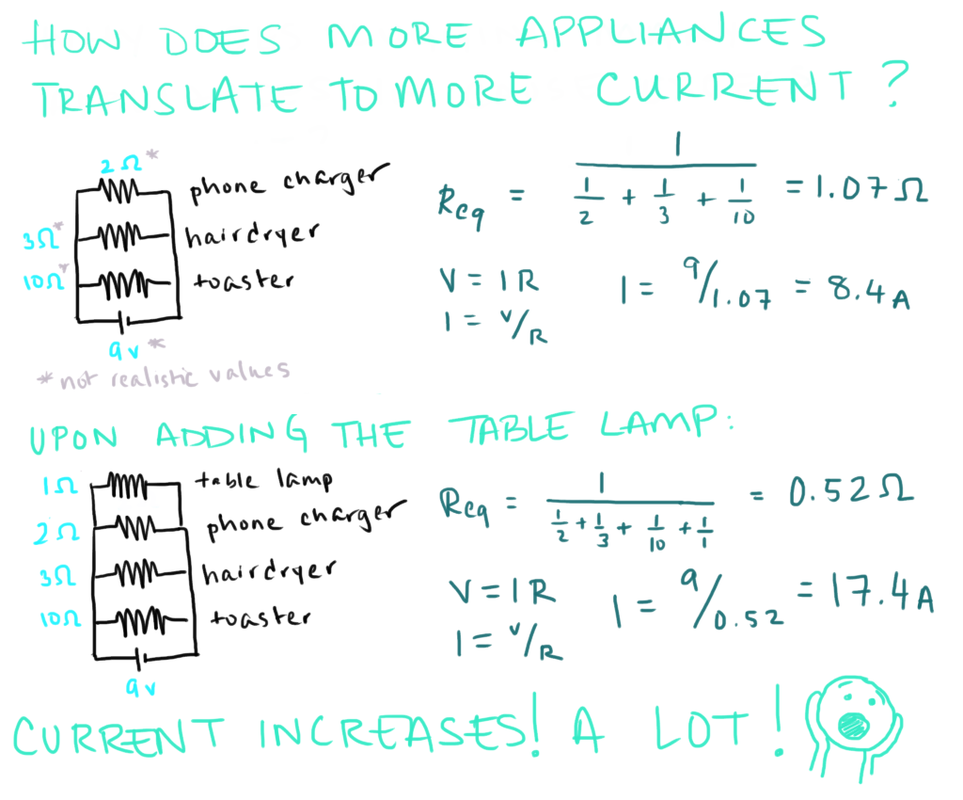
When multiple fuses are removed at once, there is a risk of encountering overcurrent scenarios, particularly if circuits are interconnected. This raises an important consideration: Will the remaining circuits handle the load? An inadvertent overload can lead to damaged appliances, creating not only financial repercussions but also the potential for hazardous electrical fires. Always be cognizant of remaining loads when making decisions regarding simultaneous fuse removal.
8. Final Thoughts on Fuse Management
Ultimately, the question of how many fuses should be removed at one time does not have a one-size-fits-all answer. By factoring in the circuit design, load capacity, safety protocols, potential disruptions, and accessibility, a clearer picture emerges. The key lies in a balanced approach that merges safety with practicality. It’s about recognizing the intricate dance between maintaining an operational electrical system while ensuring one’s own safety and comfort.
Electrical systems can be enigmatic, but a thoughtful, informed approach can demystify the intricacies of fuse management. Embrace the knowledge, respect the technology at play, and proceed with both caution and curiosity.











Leave a Comment