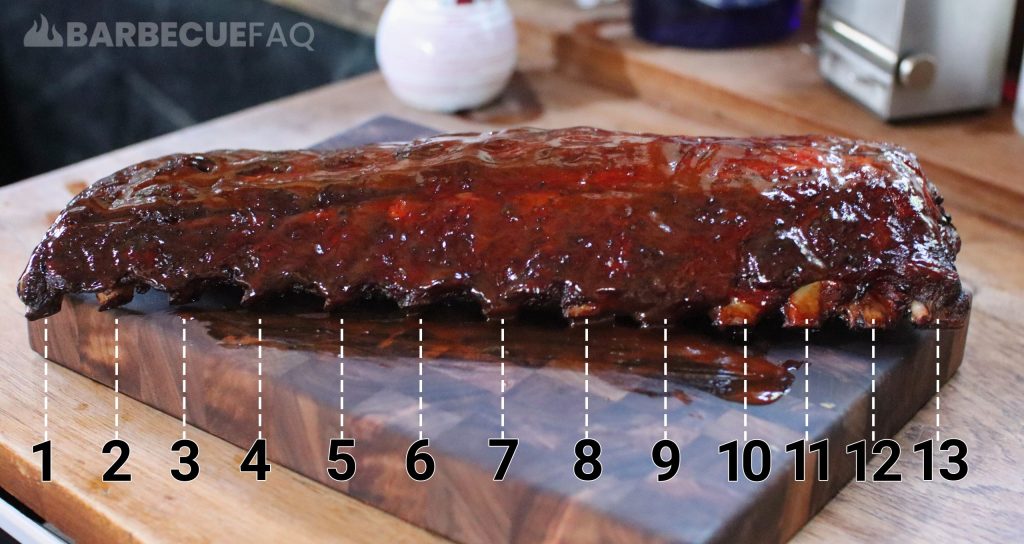
When it comes to the sumptuous world of barbecues and grilled delights, few topics capture the imagination quite like the humble rack of ribs. How many ribs are in a typical rack? This seemingly straightforward question can lead one down an alluring path of culinary exploration. The answer may vary based on several factors, including the type of ribs, the preparation method, and even regional preferences. Allow us to embark on a detailed journey into the tantalizing realm of ribs.
1. The Anatomy of a Rack
Before diving into specifics, it’s essential to understand what constitutes a ‘rack’ of ribs. Typically, a rack refers to a full set of ribs from one side of the animal, which usually comprises 10 to 13 individual ribs, depending on the species. The most commonly consumed varieties are pork and beef ribs, each offering a unique flavor profile and texture.
2. Types of Ribs
Ribs are primarily categorized into three types: baby back ribs, spare ribs, and St. Louis-style ribs, each presenting its distinct characteristics.
- Baby Back Ribs: Known for their tender meat and mild flavor, baby back ribs come from the loin area of the pig and generally contain between 10 to 13 ribs in a single rack. Their small size and lean meat make them a favorite among barbecue aficionados.
- Spare Ribs: Located on the belly side of the pig, spare ribs are larger than their baby back counterparts and boast more meat and fat, giving them a richer flavor. A rack of spare ribs generally consists of 11 to 13 ribs, with the notable distinction being their longer and flatter shape.
- St. Louis-Style Ribs: Essentially spare ribs that have been trimmed to remove the sternum bone and cartilage, St. Louis-style ribs often contain 11 ribs. This style enhances flavor concentration and presentation, making it a popular choice for competitions and backyard cookouts.
3. The Fascination with Ribs
The allure of a well-cooked rack of ribs extends beyond mere consumption. As comfort food, ribs evoke nostalgia, often reminding individuals of family gatherings, summer barbecues, and vibrant Southern traditions. The joy of cooking ribs induces a sense of ritualistic pleasure; one can effortlessly immerse themselves in the tantalizing aromas and mesmerizing transformations as they slow-cook over a smoky fire.
4. The Cooking Methods
The method by which ribs are cooked contributes significantly to their flavor, tenderness, and overall experience. Various preparations include grilling, smoking, baking, and braising. Each technique invites its unique nuances:
- Grilling: One popular method, grilling adds a charred exterior while sealing in moisture, resulting in a delightful contrast of textures.
- Smoking: For purists, smoking provides an addictive flavor profile, infusing ribs with rich, complex notes that develop over hours of low, slow cooking.
- Baking: Though sometimes overlooked, baking offers a convenient way to achieve tender meat while allowing for various seasoning and sauce applications.
- Braising: This method involves cooking the ribs in a liquid, yielding incredibly tender results as the meat slowly breaks down.
5. Regional Variations
Rib culture is profoundly influenced by geography, with regional barbecue styles showcasing a variety of flavors, sauces, and cooking techniques. The Carolinas, for instance, are renowned for their vinegar-based sauces, while Kansas City boasts a rich, sweet tomato-based counterpart. In contrast, the dry-rub approach of Texas emphasizes the natural flavors of the meat, minimizing the use of sauces.
6. The Importance of Portioning
When serving ribs, understanding the portion size is paramount. While a full rack may appear daunting, portioning varies based on the type of gathering and individual appetites. Generally, it is recommended to plan for about 2 to 3 ribs per person, but when it comes to barbecues, enthusiasm often leads to increased consumption.
7. Health Considerations
While undeniably delectable, ribs also embody the culinary paradox of indulgence versus health. Rich in protein and essential nutrients, they also contain higher fat content. Thus, moderation is pivotal. Incorporating lighter side dishes and balancing indulgent meals with healthier options will ensure enjoyment without remorse.
8. Pairing Rib Experiences
To elevate the rib-centric experience, consider pairing sides and beverages that complement the dish. Classic accompaniments include coleslaw, corn bread, and baked beans. For beverages, craft beers or fruity iced teas can quench one’s thirst, while enhancing the overall dining experience.
In conclusion, understanding the question of how many ribs are in a rack leads us not only into the intricacies of portion sizes and styles but also dives into the cultural implications and communal joy associated with this beloved dish. The number of ribs may vary, but the collective appreciation for ribs remains steadfast, transcending regional boundaries and individual preferences. Whether you’re savoring a tender baby back or indulging in hearty spare ribs, each bite represents a celebration of tradition, flavor, and togetherness.









Leave a Comment