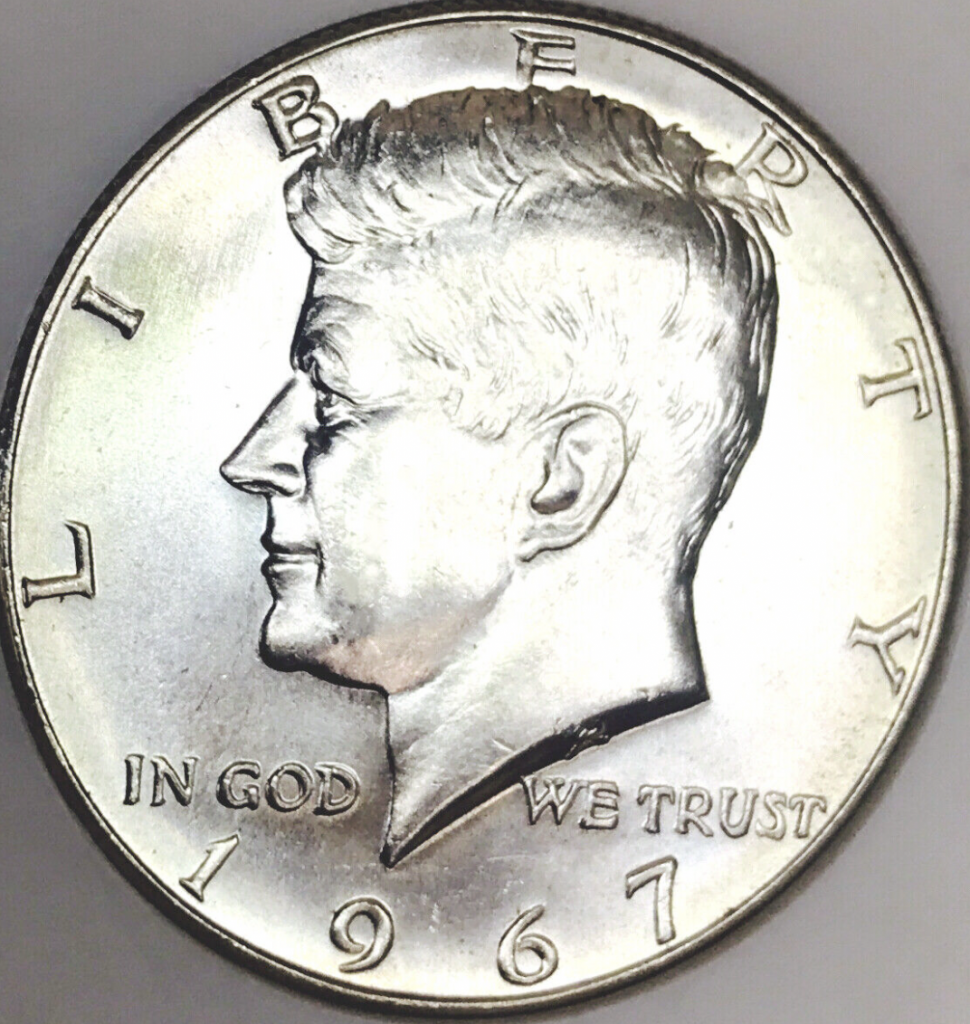
Silver dollars have long captured the fascination of hobbyists and collectors alike. These coins, imbued with history and allure, embody a unique combination of intrinsic value and cultural significance. When pondering the query “How many silver dollars are in a pound?” one might initially think of a mere mathematical calculation. However, this inquiry opens the door to a deeper understanding of coinage, metallurgy, and economic history. This article seeks to unravel not only the numerical answer but also the underlying reasons for this query’s enduring appeal.
To begin with, let’s clarify the foundational aspect of silver dollar composition. The most commonly referenced silver dollar is the Morgan silver dollar, minted from 1878 to 1904 and again in 1921. These coins are composed of 90% silver and 10% copper, a formulation that provides strength and durability. Each Morgan dollar weighs approximately 26.73 grams. This weight means that to find out how many of these coins are needed to equal one pound, one must first understand the conversion between grams and pounds. A pound is equal to 453.592 grams.
Now, if we conduct a simple division, we can ascertain that:
453.592 grams per pound ÷ 26.73 grams per silver dollar ≈ 16.9
This calculation shows that roughly 17 silver dollars comprise a pound. However, this seemingly straightforward answer reveals more than just a numerical value. It prompts deeper contemplation about the coin itself and its historical context.
Throughout history, currency has often evolved, driven by various economic needs and societal changes. The silver dollar became a symbol of American prosperity, reflecting the nation’s values and economic standing during the late 19th and early 20th centuries. The popularity of silver dollars expanded during the Gold Rush era, as settlers and miners sought stability and a reliable medium of exchange. Furthermore, the legislation behind the coin’s minting indicates a societal inclination toward both material wealth and the intrinsic qualities of precious metals.
But why precisely 17 silver dollars in a pound? The number seems arbitrary yet evokes curiosity. Consider that earlier coins, particularly the Spanish pieces of eight, influenced the design and acceptance of the silver dollar in American currency. This historical connection amplifies the fascination surrounding the coin, as collectors not only seek physical coins but also cherish their stories.
In the realm of numismatics, the Morgan silver dollar stands out for its artistic design and the craftsmanship that went into its production. The obverse features the elegant profile of Lady Liberty adorned with a Phrygian cap, while the reverse displays an eagle clutching arrows and an olive branch, symbolizing strength and peace. Collectors are often drawn to these coins not solely for their silver content but for the artistry and the historical narratives they represent.
Moving beyond mere calculation, the concept of weight can lead to poignant reflections on how value is assigned in society. Throughout history, the perception of value has fluctuated, influenced by everything from wars to technological advancements. Yet, the steadfast nature of silver as a representative form of money has endured—an echo of reliability in an ever-changing economic landscape.
The allure of silver dollars also resides in the tactile experience they provide. Handling a silver dollar conjures a connection to the past, allowing individuals to bridge time and feel as though they are part of a greater narrative. This tactile engagement with history prompts collectors to invest time and resources into acquiring these coins and sharing their knowledge with others. It becomes less about the coin’s monetary worth and more about the enthusiasm it generates within the community.
Furthermore, the intrinsic value of silver itself remains a topic of interest. In a world increasingly dominated by digital currency, the physicality of coins can be a comforting reminder of stability. Silver’s value can fluctuate, but its association with tangible wealth and enduring beauty creates an ongoing appeal. As individuals scrutinize their investments, many turn to silver dollars as a hedge against inflation and economic uncertainty.
The historical significance of the silver dollar cannot be overstated. It serves not only as a currency but as a testament to the evolution of American society and its values. The inquiry into how many silver dollars fit into a pound can lead one down multiple pathways of exploration, from the technical aspects of coinage to the philosophical implications of value and wealth.
In conclusion, the consideration of how many silver dollars exist in a pound transcends mere arithmetic. It offers an entry point into a vast realm of historical significance, economic theory, artistry, and cultural reflection. As collectors and enthusiasts gaze upon a handful of silver coins, they are reminded that they are not just handling currency but are part of a grand narrative that spans time, geography, and human experience. The question is not just about quantity; it deepens our connection to the past and invigorates our understanding of the present.










Leave a Comment