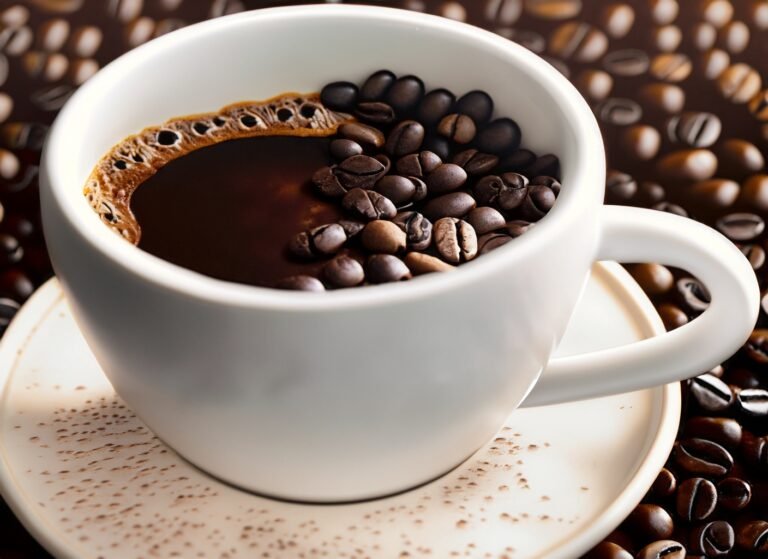
When it comes to brewing that perfect cup of coffee, the question of how many spoons of coffee to use per cup emerges as a pivotal consideration. For many caffeine aficionados, achieving an ideal balance of flavor, strength, and aroma relies heavily on this simple metric. Yet, the answer is not universally fixed; it varies according to several factors, including coffee type, brewing method, and personal preferences. In this article, we will unearth the nuances of coffee measurement, guiding you toward an exquisite and satisfying brew.
Before delving into the specifics, it’s crucial to establish that a standard cup in coffee terms typically refers to an 8-ounce serving. The general consensus suggests that a moderate range of 1 to 2 tablespoons of ground coffee per cup will yield an enjoyable experience. However, understanding how various elements influence this ratio can elevate your coffee ritual to new heights.
Understanding the Basics
At its core, coffee brewing is a delicate balance of water to coffee grounds. Starting with the fundamentals, let’s break down the most prominent types of coffee and their standard measurements:
- Regular Brewed Coffee: For standard methods such as drip brewing or pour-over, a good rule of thumb is to use 1 to 2 tablespoons (approximately 5 to 10 grams) of ground coffee per 6 ounces of water. Most coffee enthusiasts gravitate toward the 2-tablespoon mark for a bolder flavor.
- Espresso: This concentrated form of coffee requires finely ground beans. The measure commonly falls around 2 teaspoons (about 5 to 7 grams) for a single shot (approximately 1 ounce). For double shots, simply double the quantity.
- French Press: A revered method among purists, the French Press necessitates a heartier blend. The recommended measurement is 1 tablespoon (about 7 grams) per 4 ounces of water, leading many to utilize the 1 to 2 tablespoons per cup rule for an optimal extraction.
- Aeropress: This versatile brewing device can vary dramatically based on technique. Typically, users might employ 1 to 2 tablespoons per cup, but enthusiasts often experiment with different grind sizes and brewing times to finesse their desired taste.
Dynamics of Coffee Grind Size
The grind size of coffee beans plays a critical role in extraction and, consequently, flavor. Coarser grinds, suitable for methods like French Press, require more coffee for balanced extraction, while finer grinds for espresso yield a more intense taste with less quantity. Consistency in grind size ensures uniform extraction, impacting the overall flavor profile.
Utilizing a burr grinder can provide the uniformity necessary for achieving the texture suited to your preferred brewing method. This granularity not only influences extraction but also affects the cup’s mouthfeel, acidity, and complexity.
Your Personal Taste Profile
Everyone has distinct palate preferences; therefore, coffee measurement should also consider individual taste. To ascertain your ideal ratio, start at the foundational 1 to 2 tablespoons per cup and adjust incrementally. Gradually increase or decrease your measurements in small increments of a teaspoon until you discover the taste that resonates with you.
Be mindful that brewing temperature, time, and even the bean’s origin can dramatically adjust perceived strength and flavor. Dark roasts often possess bolder flavors, requiring less coffee than lighter roasts, which can be more subtle and nuanced. Experimentation is key; don’t hesitate to document your adjustments to create a perfect blend tailored to your unique preferences.
The Impact of Brewing Time
Brewing time is another facet dramatically influencing coffee’s potency. Longer steeping times generally lead to more extracted compounds, resulting in a stronger brew. Conversely, shorter methods yield a lighter profile. Always align your spoon measurements with the brewing time to maintain an equilibrium between strength and flavor.
Weight vs. Volume Measurement
For those pursuing precision, consider weighing your coffee rather than measuring by volume. A kitchen scale can provide accurate gram measurements, enhancing consistency in your brewing process. For example, the Golden Ratio suggests using 1 gram of coffee for every 15-18 grams of water, a meticulous standard that yields gratifying results. This method eliminates ambiguity and cater to consolidation.
The Conclusion: Crafting Your Perfect Brew
Ultimately, the question of how many spoons of coffee per cup hinges on a blend of science and personal artistry. The general recommendations provide a solid foundation, but understanding your equipment, the intricacies of grind size, and your taste preferences allows for a tailored experience. The world of coffee is rich and varied, and with keen experimentation, you can unlock the door to an aromatic journey of flavors and aromas that perfectly satiate your caffeine cravings. Embrace the process, savor the nuances, and revel in crafting a truly personal cup of coffee.







Leave a Comment