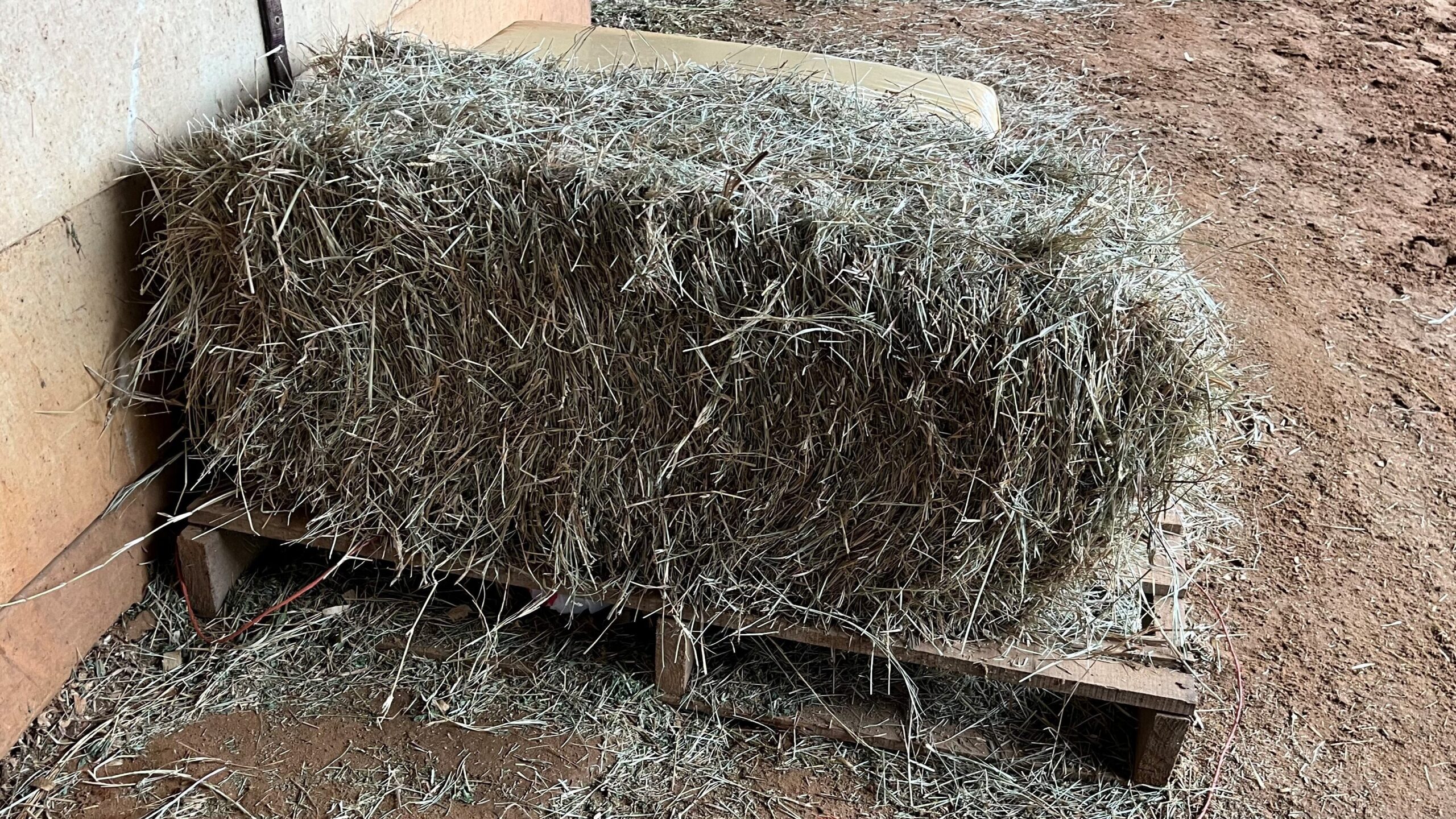
Have you ever found yourself in a barnyard, gazing at the towering stacks of hay bales, and pondered, “Just how much does a bale of hay weigh?” Perhaps you’ve considered the logistics of moving them or how to price them for sale. This seemingly simple question can spiral into a delightful conundrum, revealing nuances that may surprise even the most seasoned farmer or backyard gardener. Understanding the weight of a bale of hay involves exploring factors such as the bale’s size, type of hay, moisture content, and the techniques used in baling. In this article, we will unveil the intricacies surrounding the weight of hay bales, and we may even challenge your preconceptions. Let’s delve into this oft-overlooked topic!
First, let’s unpack the different types of hay bales. In the agricultural sphere, hay typically comes in three configurations: small square bales, large round bales, and large square bales. The distinctions in these formats yield a wide range of weights. Small square bales, often used for hand-feeding animals or gardening, typically weigh between 40 and 70 pounds. These bales are manageable for one person to lift but can certainly strain the muscles of the unprepared. On the other hand, large round bales can weigh anywhere from 500 to 1,200 pounds, making them significantly more challenging to handle. If you’ve ever struggled to push a round bale slightly out of the way, you’ll know precisely what we mean!
But what of large square bales? These titans can weigh between 800 and 2,000 pounds! Imagine trying to hoist one of those onto a trailer. You’d need specialized equipment and perhaps an extra set of hands—definitely a challenge, even for the most adept farmer.
Next, we should consider the type of hay being baled. Alfalfa, timothy, and orchard grass are common varieties, each possessing different densities and moisture levels. Alfalfa, often regarded as a premium feed, can be heavier due to its dense structure. Conversely, grass hays like timothy may vary in weight based on the volume harvested and packing techniques. Excitingly, it’s not purely about weight but also about the nutritional profile each type provides. An alfalfa hay bale might present a higher weight challenge but offers rich protein content, while lighter grass hays might serve a different purpose in animal diets.
Moisture content also plays an impactful role in determining the weight of hay. A newly cut, freshly baled stack of hay can contain a surprising amount of water, impacting overall weight significantly. Bales that are too moist can tip the scales drastically, sometimes even doubling the expected weight. However, this added moisture can also lead to disastrous scenarios such as spoilage or combustion. Farmers know well to aim for a moisture level below 15% to mitigate such risks. Herein lies another intriguing aspect: balancing the desire for weight with quality and safety.
Furthermore, the baling technique deserves attention. The method in which hay is compressed, bundled, and tied can influence the density and, consequently, the weight. For example, a well-compressed round bale can hold more hay and, therefore, weigh more than a loosely packed one. Farmers utilizing advanced machinery can produce bales that are remarkably dense. Thus, knowing how the bales have been handled provides key insights into their weight and quality.
Now, here comes a delightful twist in our exploration: what if you wanted to determine the weight of a hay bale without a scale? Here lies the challenge. A simple method involves using your physical strength as a measure. If you can lift it easily, it’s likely on the lighter side; if not, you might be staring down a hefty bale. It is both a puzzle and an opportunity, enticing you to engage with your surroundings. Alternatively, one could use an average weight based on type and size as a rule of thumb, but there’s no true replacement for the sensory experience involved.
Additionally, the context in which the hay is harvested can further affect its final weight. For instance, soil conditions, climate, and time of year play critical roles in how your hay grows and is subsequently harvested. The weight of the bale may vary depending on whether it is harvested in the parched summer sun or luxuriant spring rains. This variability introduces an exciting dynamic to the process, as no two bales—or indeed, seasons—are the same.
As we draw to a close, it is essential to reiterate that the weight of a bale of hay is not just a singular question but a multi-faceted exploration that merges science, skill, and experience. Whether you are a farmer, an animal enthusiast, or simply someone engaged with the joys of rural life, this knowledge can enhance your understanding of hay and its significance.
So the next time you find yourself amidst the delightful aroma of fresh hay, consider the weight of that bale and the myriad factors contributing to its heft. Will you accept the challenge of guessing its weight or perhaps even testing your lifting prowess? Armed with this knowledge, you are now equipped to navigate the fascinating world of hay with confidence and curiosity!









Leave a Comment