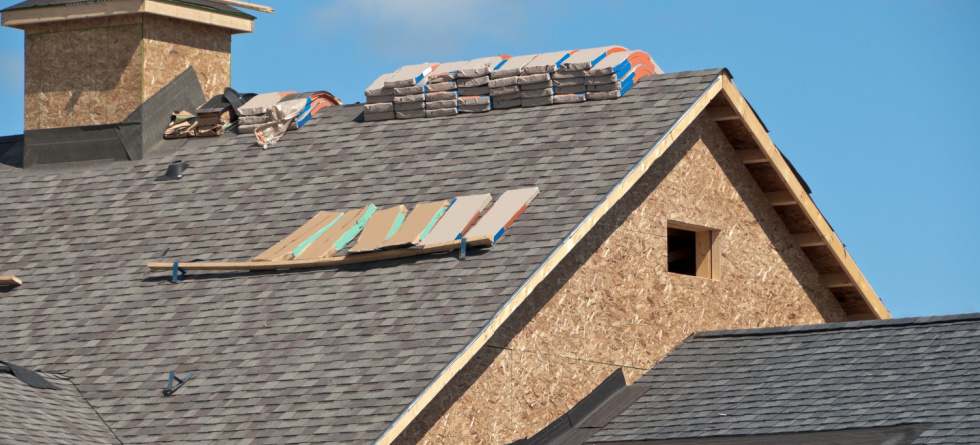
When diving into the world of roofing materials, one cannot overlook the essential role that shingles play in safeguarding our homes. Among the myriad questions that arise regarding their installation and durability, one query frequently surfaces: how much does a bundle of shingles weigh? This seemingly straightforward question is laden with implications, affecting not only the cost of roofing projects but also the logistics involved in transport and installation. Understanding the nuances of this topic can shift your perspective and beckon you into the intricate world of roofing.
Before delving into the specifics of weight, it’s imperative to grasp the different types of shingles that are available on the market. Asphalt shingles, wood shingles, and metal shingles represent just a fraction of the choices homeowners may encounter. Each type possesses unique characteristics, which in turn influence the weight per bundle. Asphalt shingles, typically the most commonly used material, are known for their affordability and ease of installation, while wood shingles impart a rustic charm that appeals to many aesthetics.
On average, a standard bundle of asphalt shingles weighs between 50 to 80 pounds. This weight can slightly fluctuate based on various factors, including the style of the shingle, the manufacturer’s specifications, and the inclusion of additional materials such as granules or waterproofing enhancements. Understanding this weight range is crucial, not merely for planning the logistics of the installation but also for ensuring structural integrity and safety considerations are met.
Taking a deeper dive into the specifics, bundles typically cover around 33 square feet of roofing area, necessitating a comparison between weight and coverage. With this in mind, a heavier bundle might offer greater durability and weather resistance, but it also requires a careful strategy in transportation and setting up. Homeowners aiming for a specific aesthetic or functional goal should weigh the benefits of heavier shingles against their installation readiness.
When transitioning to other types of shingles, such as wood or metal, the conversation around weight takes on new dimensions. Wood shingles, while appealing for their organic appearance, usually weigh more than their asphalt counterparts, averaging 70 to 90 pounds per bundle. This can significantly impact labor costs, as lifting and maneuvering heavier bundles can be labor-intensive. Conversely, metal shingles, celebrated for their longevity and fire resistance, often reign superior in weight distinction, with bundles trending between 40 to 60 pounds. This variance accentuates the pivotal role that material selection plays when contemplating a roofing project.
Beyond weight, the sustainability aspect also warrants attention. Eco-conscious homeowners may gravitate toward lighter yet durable materials, such as synthetic slate shingles, which often weigh between 50 to 70 pounds per bundle. These options stand as convincing alternatives, harmonizing sleek aesthetics with environmental responsibility. The choice of shingles should increasingly reflect a harmony between practicality and environmental stewardship.
Now, let’s envisage the roofing project broader than just the initial choice of shingles. The resultant weight impacts the structural design of the roof itself, influencing whether additional reinforcements are necessary to support heavier materials. Engaging a reputable roofing contractor is paramount; they can offer invaluable insights into the appropriate materials and their implications on your home’s architecture.
Furthermore, let’s not forget about carrying and transporting these bundles. Roofing jobs can be physically demanding endeavors. From hauling bundles to navigating ladders, the logistics behind installing a roof necessitate strategic planning. A standard bundle carries a significant weight, which must be managed skillfully to avoid workplace accidents or injuries. For DIY enthusiasts, understanding the weight dynamics is not simply about numbers—it’s about maintaining safety and efficiency throughout the entire roofing process.
Another critical aspect that intertwines with weight considerations is the cost. The price of shingles correlates with their weight and material type, fostering a delicate balance between financial constraints and quality expectations. While heavier materials may promise enhanced durability, they can also drive up installation costs due to the complexity they introduce. It’s essential to evaluate the return on investment in terms of longevity, maintenance requirements, and aesthetic appeal when examining the overall expenditure.
Moreover, contemplating the total number of bundles required for your roofing project can yield unexpected insights. For instance, a typical roofing project may require anywhere from 3 to 20 bundles or more, depending on the roof’s size and the chosen material type. Knowing the weight of these bundles can aid in logistical planning and supplier negotiations, ensuring smooth procurement processes.
In conclusion, understanding how much a bundle of shingles weighs is fundamentally intertwined with a myriad of considerations that can significantly impact the outcome of any roofing project. From enhancing our awareness of building materials and their influence on structural integrity to the practicalities of transport and installation logistics, this knowledge arms homeowners with the insights needed to make informed decisions. As you reflect on your roofing journey, allow the weight of each bundle to guide you toward choices that resonate with both your aspirations and practical needs. A thoughtful selection now will yield benefits that unfurl for years to come, encapsulating both strength and beauty in your shelter from the elements.









Leave a Comment