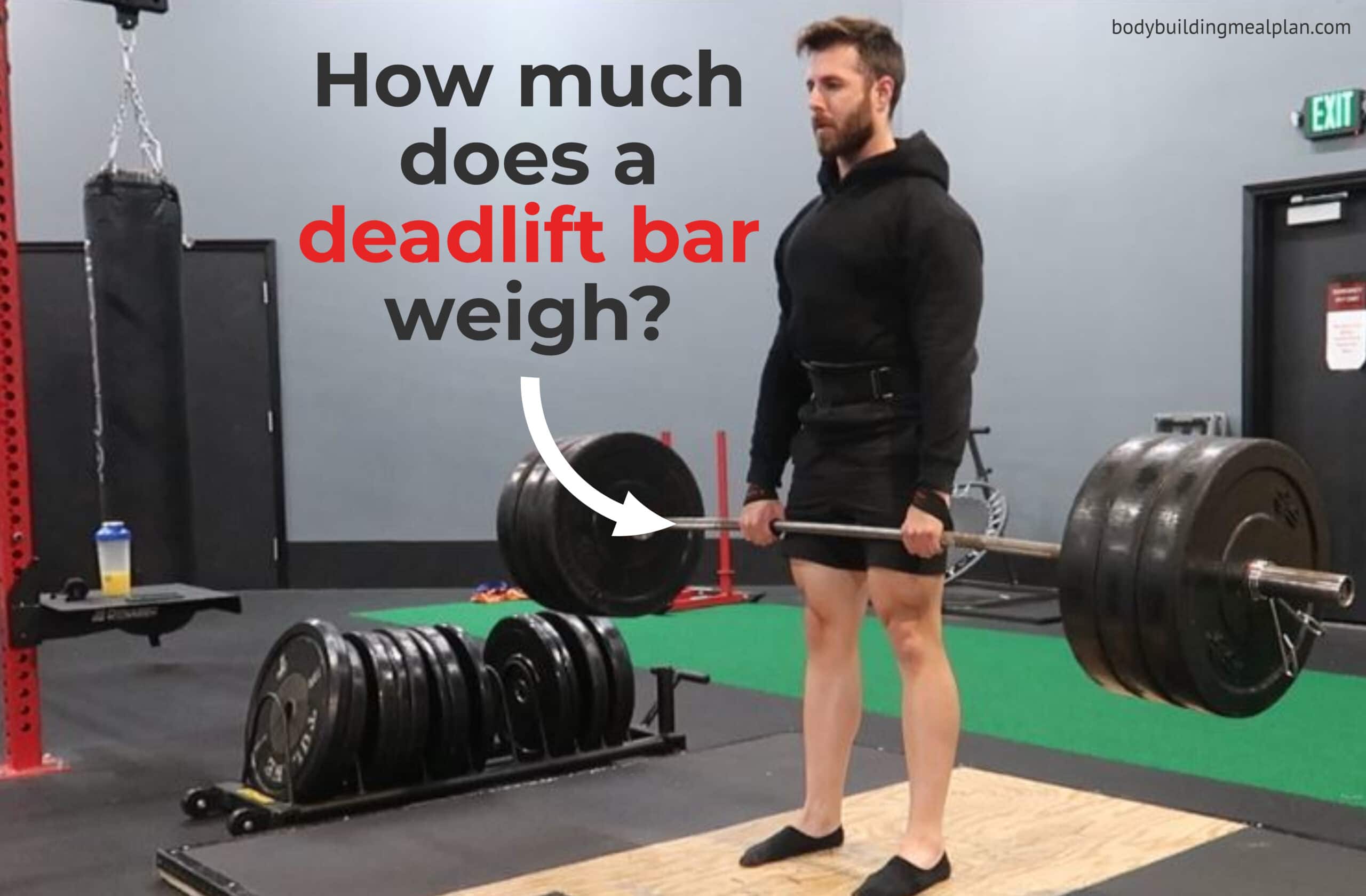
When it comes to the world of strength training, few exercises hold as much reverence as the deadlift. This compound movement engages an array of muscle groups, making it a staple in powerlifting and general fitness regimes alike. Yet, amidst the awe of lifting heavy weights, a seemingly simple question lingers: How much does a deadlift bar weigh? This inquiry may appear trivial at first glance, but it opens the door to a myriad of considerations that resonate deeply within the realm of physical training.
The typical deadlift bar, integral to this powerful lift, weighs 20 kilograms (about 44 pounds) when used in competitions. However, it is imperative to note that in most gyms, the standard Olympic barbell also weighs 20 kg. This is the most common variety and serves as a foundational tool for many lifters. But quantity is not the only consideration. The design and features of a deadlift bar can profoundly influence not only how it feels during lifts but also the lifting mechanics themselves.
One essential aspect to differentiate is the diameter and length of the bar. A deadlift bar is typically longer than a standard Olympic barbell, measuring approximately 2.4 meters (about 7.9 feet) in length. Its shaft is also more narrow, often with a diameter of 27 mm compared to the standard 28 mm of the Olympic bar. This subtle difference allows for a superior grip, particularly beneficial for athletes who utilize a mixed grip or hook grip. The nuances between different types of bars might seem whimsical, yet they can alter performance and technique significantly.
Beyond the sheer weight of the bar itself, the manner in which the weight is loaded can enhance one’s understanding of this lift. When performing a deadlift, lifters often use bumper plates that allow them to load more weight without damaging the platform. On the other hand, standard plates can present a more traditional experience, providing a wider variance in weight distribution and offering a different tactile experience as the lifter engages the bar from the ground up.
Another critical factor in the discourse of deadlift weights is the concept of whip. Whip refers to the bar’s flexibility and how much it bends during a lift. Deadlift bars are engineered to be more flexible, allowing for a slight “whipping” motion in the early phases of the lift, which can enable lifters to lift heavier loads. This ingenious design helps generate momentum as the weight is lifted off the ground, providing an appealing dynamic for competitive lifters.
In addition to these engineering nuances, the psychology of weightlifting also plays a critical role. Many lifters gravitate towards the deadlift bar because of the confidence it instills. The design, the promised performance boost, and even the alluring social cachet associated with lifting heavier weights create a compelling package. More seasoned lifters often marvel at the slightly lower weight but higher performance threshold attributed to deadlift bars, culminating in a lifter’s psychological satisfaction. The excitement experienced when breaking personal records cannot be overstated, encouraging a deeper fascination with this powerful tool.
A myriad of manufacturers creates deadlift bars, each presenting unique features catering to various preferences and budgets. Some bars boast specialized knurling for optimal grip, while others may leverage advanced materials that enhance durability and feel. From budget-friendly options made of basic steel to premium bars crafted with precision engineering, lifters have the opportunity to explore a range of choices tailored to their specific requirements.
However, one should be cautious about substitutions or making assumptions with weight differences. Many lifters contend with unique variances in how a bar feels during the lift based on its weight, distribution, and even the gym environment. Hence, while most lifters are well-acquainted with the standard 20 kg deadlift bar, they may not experience uniformity across different venues.
As lifters embark on their strength journeys, they often encounter discussions that delve deeper than numbers. For some, the question of how much a deadlift bar weighs expands into explorations of personal development, discipline, and even a quest for empowerment. The gym transforms into a sanctuary where individuals challenge their limits, marking progress with each additional plate they add to their lifts.
In conclusion, while the weight of a deadlift bar typically stands at 20 kg, the implications of this seemingly simple statistic reach far beyond physical measurements. Understanding the intricacies that accompany deadlift bars, from engineering specifics and design variations to the psychological impact of lifting, offers a unique perspective on this iconic exercise. As lifters pursue strength and mastery, they actively engage in a timeless battle against gravity, fostering not merely physical transformations, but also deeper revelations about resilience and ambition. This quest for strength transcends the numbers, igniting passions and forging communities rooted in the relentless pursuit of excellence.









Leave a Comment