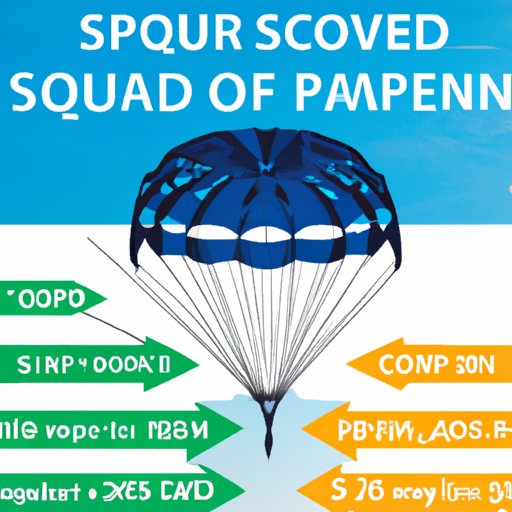
In a world brimming with exhilarating activities, few experiences evoke a sense of sheer freedom and adrenaline quite like parachute jumping. The act of defying gravity as one leaps from a flying aircraft engages not only the body but also the spirit, captivating those who seek both thrill and adventure. However, for many aspiring skydivers, the overarching question remains: How much does a parachute jump cost? The answer is multifaceted, shaped by a myriad of factors that influence pricing. Let’s explore the intricate web of costs associated with parachute jumping.
1. Understanding Pricing Structures
At the heart of the parachute jumping experience lies the essential cost of the jump itself. Prices can vary widely, typically ranging from $200 to $500 per jump. The variation often reflects whether the jump is tandem or solo, the type of aircraft used, and the facilities provided by the skydiving center. Tandem jumps, wherein the participant is securely harnessed to an experienced instructor, generally fall into the lower price bracket, appealing to novices. Conversely, solo jumps, which require comprehensive training and certification, can escalate the price considerably.
2. Tandem Jump Costs
Tandem jumps are designed for individuals embarking on their inaugural skydiving endeavors. As the standard entry point for many, these jumps are not just an adrenaline rush but also an apt introduction to the sport. The cost typically includes pre-jump training, equipment rental, and the jump itself. Pre-jump briefings are conducted to ensure safety protocols are supervised and adhered to. It’s wise to anticipate additional fees for services such as video documentation, which can enhance the memory of this unforgettable experience.
3. Solo Jump Pricing
For the more adventurous spirit seeking autonomy in the skies, solo jumps require a comprehensive training course—commonly the Accelerated Freefall (AFF) program. This extensive training can cost anywhere between $1,500 and $3,000, encompassing several jumps necessary for obtaining certification. Unlike tandem jumps, where an expert guides you, solo jumps require hours of instruction, ground school training, and a minimum number of jumps under close supervision. This investment, although substantial, culminates in the unparalleled joy of jumping independently.
4. Equipment Rental versus Purchase
An integral aspect of the parachuting experience is the equipment used. Rental fees for parachuting gear, including jumpsuits, helmets, and parachutes, are typically included in the jump price for tandem experiences. However, for those committed to pursuing skydiving as a sport, purchasing personal equipment can significantly influence overall costs. A basic parachuting setup, including a main parachute, reserve parachute, and altimeter, can set one back by $3,000 to $10,000 or more. Maintenance and upgrades should also be factored in, particularly as technology advances within this thrilling domain.
5. Location Dynamics
The cost of a parachute jump can also depend greatly on the geographical location. Renowned skydiving hotspots may charge a premium for the experience, given the breathtaking views and favorable conditions they offer. For instance, jumps over picturesque landscapes like Hawaii or the Grand Canyon might command higher prices due to their unique offerings. Conversely, less-trafficked locations may provide more budget-friendly options, making skydiving more accessible to those eager to try it out.
6. Seasonal Variations
Seasonality can play a pivotal role in pricing. Peak skydiving seasons, often during spring and summer months, may see higher prices due to increased demand. Discounts and package offers might be available during off-peak seasons, presenting opportunities for budget-conscious thrill-seekers. It’s essential to remain vigilant and research if timing your jump can yield significant savings.
7. Additional Fees and Considerations
Beyond the basic costs of a parachute jump, one must navigate various additional charges that could arise. These may include transportation fees to the jump site, high-definition video and photography packages to capture the experience, and even gear rental for those not owning personalized equipment. Instructors may also offer options for guided training sessions, which can incur additional costs. Understanding these potential supplementary expenses is crucial for budgeting the entire experience.
8. Insurance and Safety Measures
While not a direct cost of the jump itself, insurance is an essential consideration for those embarking on a parachuting adventure. Appropriate coverage can provide peace of mind and financial protection against potential mishaps. Some skydiving companies may offer insurance options specifically tailored for jumpers, shielding participants from unforeseen costs associated with accidents or equipment failure.
Ultimately, the cost of a parachute jump is a blend of various factors. It’s important to view the experience not just through the lens of monetary value but as an investment in personal fulfillment, exhilaration, and the acquisition of new skills. Immerse yourself in the experience, revel in the unmatched sensation of floating in the open sky, and appreciate every moment of that breathtaking descent. The financial commitment, while notable, often pales in comparison to the unforgettable rush and emotional high of a successful leap into the unknown.
Regardless of the costs involved, parachute jumping offers an exhilarating experience that resonates with countless individuals. It’s a unique dance with gravity and freedom, a moment suspended in time where the mundane transforms into extraordinary. So, as you ponder the question of cost, remember that the true value of a parachute jump is encapsulated in the very essence of the sky, waiting to be explored.









Leave a Comment