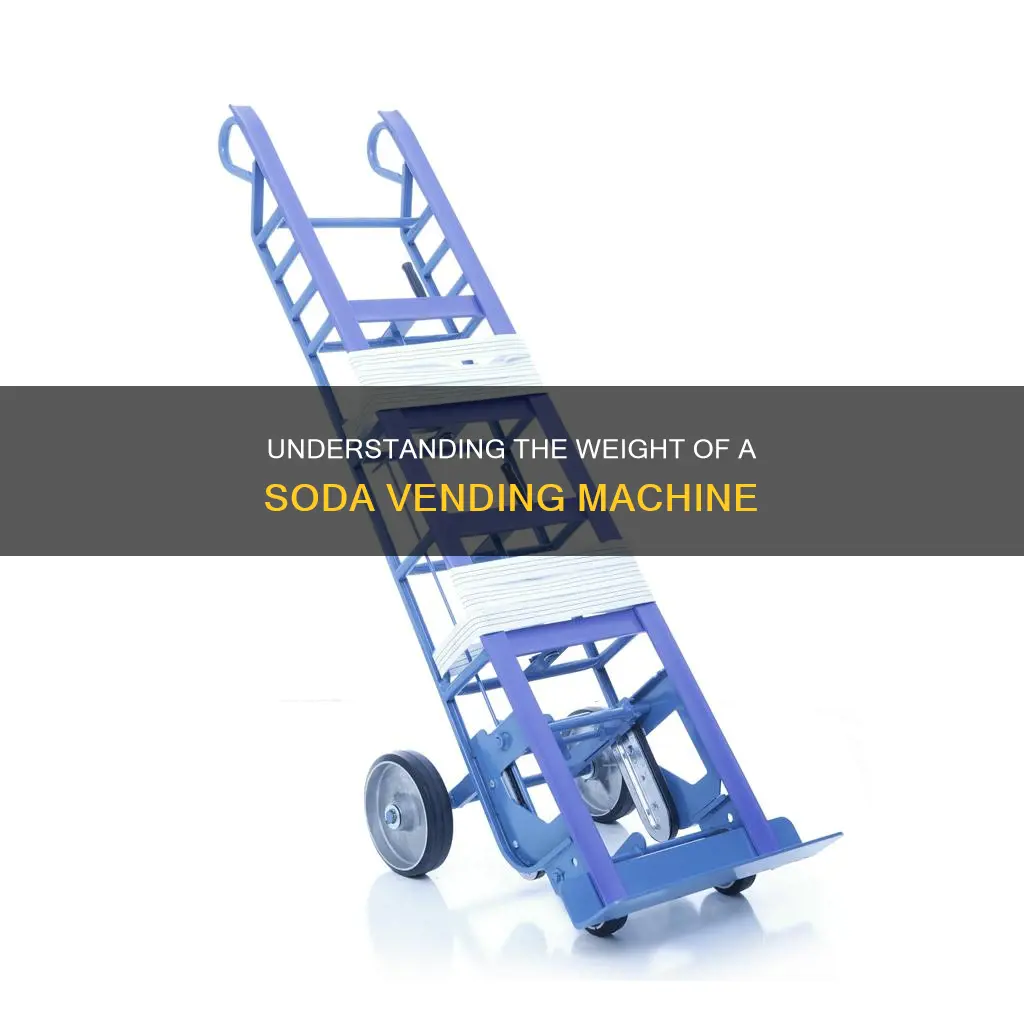
Have you ever wandered through a shopping mall or an office building, eyes scanning the rows of shiny vending machines? Have you paused to wonder, “How much does a vending machine weigh, especially when stocked with soda?” It’s a playful conundrum that often escapes our thoughts until we need to move one or perhaps replace it. Let’s embark on a detailed exploration into the intricacies of vending machine weight, particularly when it comes to those quintessential soda dispensers.
To tackle this question, we must begin with an understanding of the various factors influencing a vending machine’s heft. The construction material, design features, soda capacity, and the type of drinks offered all contribute significantly. A typical vending machine can be made from steel or plastic, each material presenting its own set of characteristics and a corresponding weight. Recently constructed machines favor lightweight materials, aiming for portability, but sturdily built older models can be rather hefty.
Generally speaking, a standard soda vending machine weighs between 300 to 600 pounds when empty. When fully stocked, particularly with popular choices like colas, fruit-flavored sodas, and energy drinks, you might find the weight surging to around 800 pounds or more. What a burden to bear! But what exactly contributes to this impressive heft?
First, let’s consider the build of the machine itself. Most vending machines sport a robust steel frame designed to withstand years of service. Steel is incredible for maintaining the machine’s structural integrity, but it’s undeniably heavy. Alternatively, lighter plastic machines exist, but they may sacrifice durability, which is crucial in high-traffic environments. Understanding the trade-offs between sturdiness and weight is essential for businesses that aim to procure the best machine for their needs.
Next comes the internal mechanics—features like coin mechanisms, displays, and cooling systems also add to the weight. Coin mechanisms need to be reliable and robust to ensure transactions go off without a hitch, while the cooling unit is essential for keeping sodas chilled and refreshing. These internal components are typically hefty, sometimes weighing upwards of 100 pounds collectively. You may find yourself in front of quite a weighty challenge when moving a fully stocked machine, as the workings inside add significant bulk.
Now, let’s dive deeper into the soda itself. Standard soda cans generally weigh around 0.5 pounds each. Considering that a vending machine can hold anywhere from 24 to 60 cans, the weight of the soda alone can tip the scales dramatically. If you assume an average capacity of 40 cans, that adds an additional 20 pounds to your calculations. Therefore, when fully loaded, the total weight can indeed reach staggering proportions. It’s perplexing to think about how carrying even one soda can morph into a significant physical undertaking!
So why does it matter? Understanding the weight of a vending machine is crucial for logistical reasons. Whether you’re contemplating installation or considering a vending machine rental, knowing how heavy it can get allows for informed decision-making about placement. For example, you wouldn’t want to find yourself struggling to maneuver a heavy vending machine through narrow aisles or up escalators when it could lead to mishaps or damages.
Another important aspect to consider is the surface it rests upon. Weighing 800 pounds or more when full, a vending machine requires a stable and secure base. Floors must be able to support this burden without risk of a dangerous tumble or damaging weakness. Adequate space also ensures that it complies with safety regulations, as tipping could pose a serious hazard to unsuspecting customers.
Vending machine placement further raises logistical challenges. Where do you find such machines? Do you need a dedicated power source, and how far is it from an electrical outlet? These logistical considerations, hinged on that all-important weight factor, shape the feasibility and practicality of operational capacities.
You may be asking yourself now: “What happens if I overload my vending machine or choose the wrong location?” The consequences can range from mechanical failures to operational inefficiencies. An unstable setup may lead to unbalanced weight distributions and could ultimately disable your machine and put a dent in your revenue stream. Hence, assessing its weight is not merely a curiosity but an essential factor in ensuring the vending experience is a reliable one.
In conclusion, the weight of a vending machine—particularly a soda-filled one—embodies a blend of engineering, logistics, and practical considerations. A multitude of factors contributes to this weight, from its construction to the very beverages it dispenses. Each of these aspects weaves together, forming a complex tapestry that informs business decisions surrounding purchase, placement, and operational efficiency. Next time you stare at a vending machine, take a moment to appreciate the engineering marvel before you—it’s not just a matter of convenience; it’s a calculated achievement in weight and design!









Leave a Comment