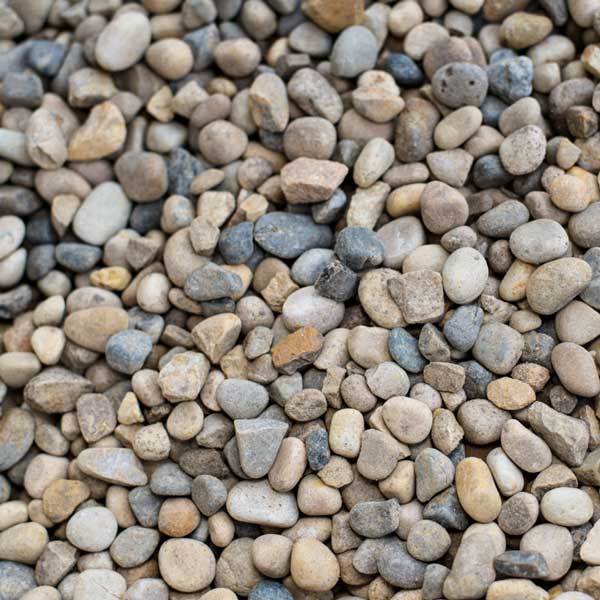
The weight of gravel is a subject that piques the curiosity of many. Whether you are embarking on a home improvement project or preparing for landscaping needs, understanding the weight of gravel becomes essential. With its myriad applications—from garden pathways to robust foundations—gravel serves as both a functional and decorative element in construction. Yet, many are left wondering: how much does a yard of gravel weigh? This quest for knowledge leads us into the intricate calculations and various types of gravel that contribute to its weight. Let’s delve deeper into this seemingly simple inquiry.
Understanding Volume and Weight
Before we can accurately ponder the weight of a yard of gravel, we must first grasp the relationship between volume and weight. A yard, specifically a cubic yard, measures volume. It is defined as a cube measuring three feet on each side, resulting in a total volume of 27 cubic feet. However, the weight of a cubic yard of gravel is not static; it fluctuates based on several factors, including density, moisture content, and gravel size. This variable nature compels us to explore the nuances affecting the weight of gravel.
Defining Gravel Types
Gravel is not a singular entity; it comes in numerous forms, each with distinct properties and uses. Broadly, gravel can be categorized into two primary types: coarse and fine. Coarse gravel consists of larger particles, typically ranging from 3/4 inch to 1 inch, while fine gravel comprises smaller particles, often under 1/4 inch. Coarse gravel, often used for drainage or as a base material, generally weighs more than fine gravel due to its greater particle size and density. Understanding these distinctions is imperative when calculating weight, as each variety’s density will directly influence how much a cubic yard will weigh.
Weighing Factors: Density and Composition
The density of gravel is another critical aspect that determines its weight. Density, often measured in pounds per cubic foot, usually ranges from 100 to 120 pounds for various types of gravel. However, when opting for specialty gravels, such as decorative stones or crushed rock, the density may vary significantly, sometimes even exceeding 140 pounds per cubic foot. This compositional variance is often attributed to the minerals and materials from which the gravel is derived, further complicating our understanding of its weight.
Another important consideration is moisture content. Gravel can absorb moisture, substantially altering its weight. For instance, a dry cubic yard of gravel may weigh approximately 1,500 to 2,000 pounds, while wet gravel could weigh significantly more. This highlights the necessity of accounting for environmental conditions when estimating weight, especially for projects that require precision.
Weight Conversion: Understanding Cubic Yards
To provide a concrete understanding, it’s essential to convert the weight of gravel into more relatable terms. A cubic yard of gravel typically weighs between 1,400 and 2,700 pounds, contingent upon the factors aforementioned. This weight can further illuminate the physicality of the material being handled. For instance, if one weighs out 2,500 pounds of gravel, it would be comparable to a small car or a heavy piece of machinery. Such considerations heighten the appreciation for both the material’s utility and its logistical implications.
Calculating the Weight for Your Project
Before embarking on any project that requires gravel, an accurate calculation of the required weight is advisable. This ensures that you order the correct amount, preventing wastage or shortages. First, determine the dimensions of the area where the gravel will be laid. Measure the length, width, and desired thickness of the gravel layer to calculate the volume required. Once you possess the volume in cubic yards, multiply by the weight estimation relevant to the gravel type chosen. This will yield the total weight required for your project.
Ordering and Transport Considerations
When ordering gravel, be mindful that suppliers often sell by ton or cubic yard. Understanding this conversion is essential to avoid confusion. Be aware that one ton is equivalent to 2,000 pounds. Therefore, if you’ve estimated needing 1.5 cubic yards of gravel with an estimated weight of 2,000 pounds per yard, the projected total weight will be 3,000 pounds, or 1.5 tons. Furthermore, consider that transporting gravel can be cumbersome due to its weight. Ensuring your vehicle can handle the load is crucial to a successful delivery.
Applications and Usage
Understanding the weight of gravel extends beyond mere curiosity; it has practical implications for its application in various projects. For instance, knowing the weight aids in ensuring the stability and integrity of a foundation when constructing pathways or driveways. It also helps in determining the excavation depth necessary to lay an effective drainage system. As gravel is frequently used in landscaping, its weight and composition directly influence aesthetic qualities and durability of the designs implemented.
Conclusion
In conclusion, the weight of a yard of gravel is a multifaceted topic that intertwines physical properties, environmental nuances, and project-related considerations. Recognizing the implications of density, type, and moisture content enables accurate estimations that can save both time and resources. Understanding how much a yard of gravel weighs is not just a matter of curiosity; it encompasses broader themes of construction and efficiency. As you embark on your gravel-related endeavors, may your newfound knowledge guide you toward successful outcomes, allowing you to appreciate this versatile aggregate as both a practical and an aesthetic addition to your space.









Leave a Comment