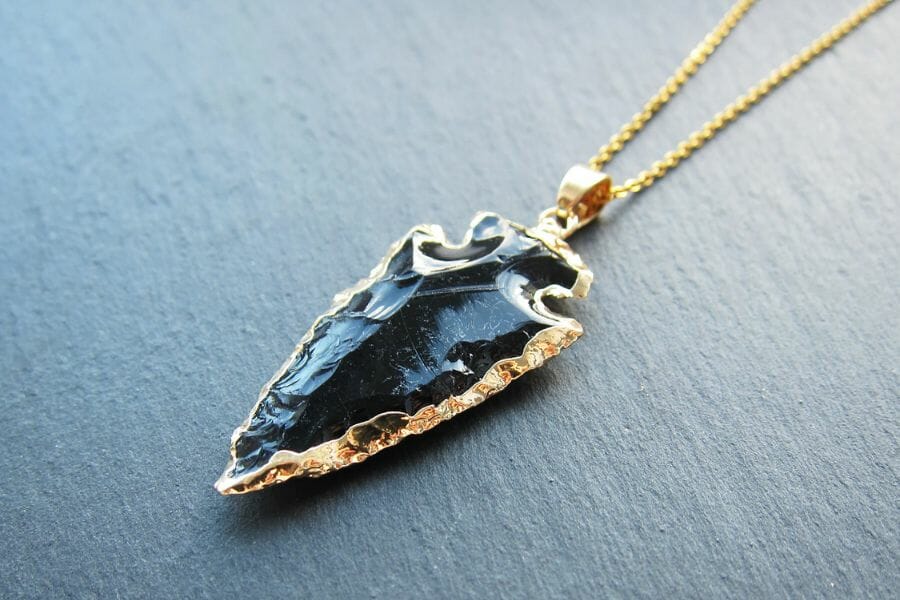
Obsidian, a volcanic glass formed from rapidly cooled lava, has captivated humans for millennia. This naturally occurring material boasts an alluring sheen and a rich history intertwined with human innovation and artistry. Its value is a subject of fascination, influenced by various factors that traverse both economic and cultural realms. Understanding how much obsidian is worth requires delving into the mineral’s unique properties, its applications, and the markets that dictate its price. Below is a comprehensive exploration of the factors that converge to define the worth of obsidian.
1. Understanding Obsidian
Obsidian is a naturally occurring volcanic glass, typically formed from the rapid cooling of lava without crystallization. Its glassy surface, often black or dark green, reflects light in captivating ways, leading to its aesthetic appeal. The color and translucency can greatly vary based on the mineral content and the cooling process, with variations such as snowflake obsidian and rainbow obsidian showcasing enchanting patterns that can further influence value.
2. The Rarity Factor
While obsidian is found in various parts of the world, not all deposits carry equal significance. Geographic rarity plays a vital role in determining its worth. For example, obsidian sourced from certain locales, such as the famous “Obsidian Cliff” in Yellowstone National Park or unique specimens from volcanic regions in Mexico, often fetch higher prices due to their historical significance and aesthetic qualities. The scarcity of specific varieties can create a demand that significantly drives up market prices.
3. Quality and Appearance
The quality of obsidian refers to its clarity, color, and overall aesthetic appeal. Pristine pieces, free from inclusions or blemishes, are deemed more valuable. Glossy, high-quality obsidian that displays unique features, such as swirls or sheen variations, often becomes a focal point in artisanal crafts and jewelry. Consequently, its market value can fluctuate dramatically based on visual characteristics, with more intricate patterns and richer colors typically commanding higher prices.
4. Applications in Toolmaking
Beyond its ornamental value, obsidian holds historical significance as one of humanity’s earliest materials used in toolmaking. The sharp edges of obsidian made it an ideal choice for crafting blades and arrowheads. Today, even in the realm of modern surgical tools, obsidian’s sharpness is harnessed, adding to its allure. Collectors and historians value archaeological finds, thereby influencing market prices. The presence of ancient, expertly crafted obsidian tools can elevate their worth not just as artifacts but as vital pieces of human history.
5. Obsidian in Jewelry and Art
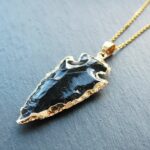
Obsidian is highly sought after in the realm of jewelry and artistic expression. Its distinct aesthetic qualities lend themselves well to various design forms, including pendants, earrings, and intricate carvings. Artists and jewelers often manipulate obsidian into stunning pieces that attract collectors. The collaborative intersection of art and material intrinsic to obsidian contributes to its market value, drawing enthusiasts willing to pay a premium for unique creations.
6. Current Market Trends
The valuation of obsidian is also influenced by broader gem and mineral market trends. Market demand can fluctuate based on consumer preferences, cultural trends, and even economic conditions. Certain years may witness spikes in popularity for specific styles of jewelry or tools, thereby driving up prices. Staying informed about these trends can be advantageous for both buyers and sellers alike. Auctions and gem shows often provide a pulse on current valuations, offering insight into what collectors are willing to invest.
7. Cultural Significance and Spirituality
Across various cultures, obsidian has been regarded not merely as a material but as a potent symbol carrying spiritual significance. In some indigenous cultures, obsidian is believed to possess protective qualities or induce clarity of thought. This intangible value may enhance its worth in certain communities, making it more than just a commodity. The collector who appreciates this cultural aspect might be inclined to pay a higher price than someone merely seeking an artifact.
8. The Environmental Impact
As consumers become increasingly conscious of sustainable practices, the environmental impact of mining natural resources, including obsidian, has come under scrutiny. Ethical sourcing can affect the market’s perception and value. Buyers may lean toward obsidian that is sustainably sourced, elevating its worth in particular markets. Transparency in sourcing and eco-friendliness might lead to heightened demand and consequently higher prices.
9. Ranges of Pricing
The price of obsidian varies widely based on the factors discussed above. Generally, raw obsidian might range from $10 to $50 per pound, depending on its quality and source. Exquisite jewelry pieces can command prices from $20 to several hundred dollars, particularly if they feature intricate designs or unique color variations. Exceptional artifacts and historical pieces can reach prices in the thousands, especially if they originate from noted excavation sites.
10. Conclusion: The Enigmatic Allure of Obsidian
The worth of obsidian is a multifaceted concept entwined with rarity, quality, cultural significance, and market trends. This enigmatic mineral continues to fascinate collectors, artisans, and historians alike. Its journey from volcanic formations to prized possessions highlights humanity’s enduring relationship with nature’s offerings. As obsidian’s value fluctuates across dimensions, it remains more than a mere stone; it conveys stories, history, and artistry that transcend time, illustrating the profound connections that bind us to the Earth’s raw materials.




Leave a Comment