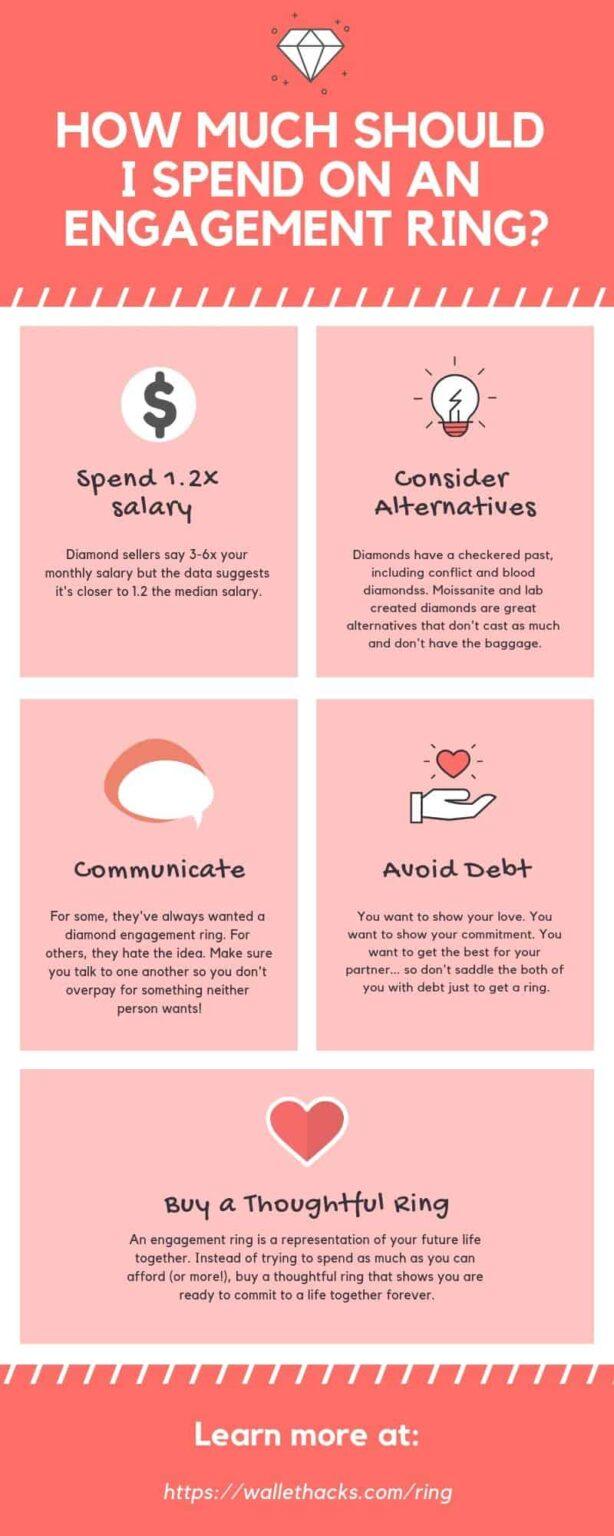
When it comes to the momentous occasion of proposing marriage, one of the standout considerations is undoubtedly the engagement ring. This sparkling token of love encapsulates promises, devotion, and the beginning of a lifelong partnership. However, determining how much to spend on an engagement ring can be daunting amidst the vast sea of options and societal expectations. While conventional wisdom may suggest specific benchmarks, the truth is that the decision is as personal as the relationship itself. Below, we delve into crucial elements that can help aspiring proposers navigate this intricate financial landscape.
1. Understanding the 3-Month Rule
Traditionally, the “three-month salary rule” suggested that one should spend an equivalent of three months’ salary on an engagement ring. This guideline emerged from marketing campaigns in the early 20th century and has evoked mixed reactions. Many now argue against its rigidity, advocating that the true measure of investment should resonate with personal circumstances rather than outdated expectations. Therefore, one should weigh various factors, including financial stability and the couple’s lifestyle, before adhering to this rule.
2. Individual Finances Matter
Each person’s financial situation informs the amount they can comfortably dedicate to an engagement ring. Assess your monthly income, ongoing expenses, and savings objectives. It is crucial to set a budget that not only accommodates the ring but also allows for a sustainable financial future. For instance, maintaining an emergency fund or saving for a honeymoon should remain priorities. Crafting a realistic budget can alleviate any potential stress associated with the purchase.
3. The Significance of the Ring
Beyond price tags and materials, consider the emotional value attached to the engagement ring. The ring symbolizes commitment and love, and its value should resonate with the nature of the relationship rather than mere monetary worth. An engagement ring can be a family heirloom handed down through generations, or it may be a custom piece infused with personal significance—its value lies in its meaning. Couples often find that rings with emotional ties create deeper connections.
4. Explore Different Styles and Materials
The style and materials of an engagement ring can dramatically influence its price. A diamond ring, while traditional and timeless, often comes with a heftier price tag. However, alternative gemstones, such as sapphires, emeralds, or moissanite, proffer unique beauty without breaking the bank. Additionally, the prominence of less conventional rings—as well as ethically sourced materials—continues to rise. An appreciation for artisanal craftsmanship may lead buyers to explore vintage or bespoke rings, which can forge a distinct identity at varying price points.
5. Setting Priorities
Before delving into your purchase, outline what factors are paramount when selecting the ring. Is the diamond’s carat weight more crucial than its clarity or color? Or perhaps the intricacy of the band holds greater allure? Establishing priorities can steer both the design and the budget, allowing for informed decisions that align closely with the recipient’s taste and preferences. Not all elements carry equal weight; understanding this can prevent overspending on less significant aspects.
6. Harnessing the Power of Comparison
In a world dominated by e-commerce, leveraging the vast array of online retailers can be exceptionally beneficial. Compare prices across various platforms to uncover competitive deals or discounts. However, do not sacrifice quality for price; thorough research on a jeweler’s reputation is paramount. Seek out customer reviews and assess certification, especially when considering gemstones and precious metals. Balance between affordability and reliability will yield the best results.
7. Financing Options
While many opt to purchase outright, financing presents alternative pathways to acquiring the perfect engagement ring. Various jewelers provide installment plans or 0% financing options, enabling buyers to manage their budgets over time. However, tread carefully: it’s vital to comprehend the terms and ensure that monthly payments align with your financial comfort level. Engaging a financial adviser may provide insights that clarify any uncertainties about long-term impact on your budget.
8. The Impact of Timing
Timing can profoundly influence the cost of an engagement ring. End-of-year sales, seasonal promotions, or holiday-driven discounts often yield significant savings. Furthermore, consider proposing during less popular times, as off-peak seasons can result in advantageous pricing due to reduced demand. A savvy approach to timing can provide financial advantages, allowing for a larger investment without the accompanying stress.
9. Insuring the Ring
Once the engagement ring is acquired, attention should turn towards safeguarding this precious investment. Insuring the ring ensures that, in the unfortunate event of loss or theft, financial repercussions are mitigated. Most jewelers or independent insurance companies offer specialized jewelry coverage, often varying in terms and conditions. Navigate these options meticulously, selecting a policy that provides adequate protection for the value of your ring.
Conclusion
Ultimately, determining how much to spend on an engagement ring is a personal decision grounded in one’s financial circumstances, relationship dynamics, and emotional significance. The key takeaway is that the right amount should feel right, both to the giver and recipient, encapsulating their unique love story. By considering factors such as style, material, financial capabilities, and overall priorities, celebrated proposals can thrive without the weight of excessive financial burden. After all, the engagement ring is but the precursor to a lifelong journey of love and commitment, which is truly priceless.









Leave a Comment