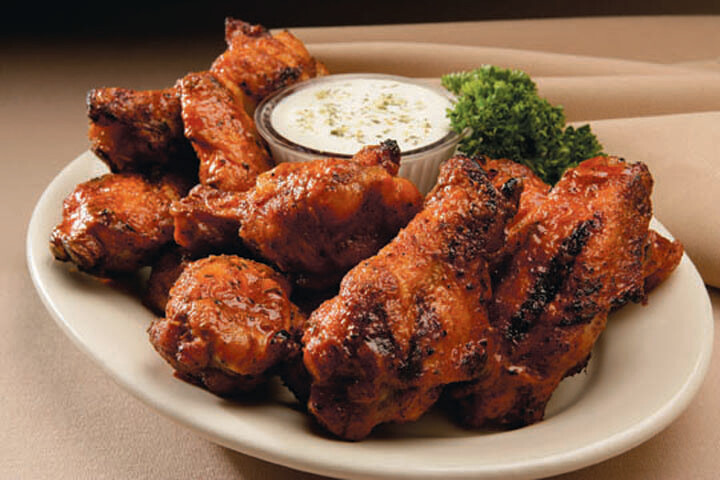
The tantalizing aroma of chicken wings, whether they’ve been marinated, fried, or glazed, has a remarkable ability to ignite the cravings of food enthusiasts everywhere. In homes, sports bars, and bustling eateries, these delectable morsels reign supreme as the quintessential comfort food. However, amidst the delightful anticipation of indulging in perfectly crispy wings, a perplexing question often arises: how many wings are contained in a pound? This seemingly simple inquiry ushers us into a labyrinth of culinary exploration, revealing more than just a straightforward numerical answer.
To navigate the intricacies of wing-to-pound calculations, it is essential to comprehend the anatomy of a chicken wing itself. Typically, a chicken wing comprises three distinct sections: the drumette, the flat (or wingette), and the tip. Each segment varies in size and weight, contributing to the overall calculation. Hence, understanding these parts is crucial in addressing the question effectively.
The average raw chicken wing weighs about 4 to 5 ounces. Given that there are 16 ounces in a pound, a conservative estimate suggests you can expect approximately three to four wings in one pound. However, this is where the intrigue escalates. The actual number can fluctuate based on various factors such as the specific breed of chicken, the method of butchering, and whether the wings are bone-in or boneless.
For instance, when dealing with traditional bone-in chicken wings, the average weight leans more towards the 4 to 5 ounces range. On the contrary, boneless chicken wings – often composed of chicken breast meat molded to mimic their bone-in counterparts – tend to weigh significantly less, allowing for a greater number of pieces per pound. Thus, one might find as many as six to eight boneless wings in a single pound, presenting a compelling contrast to their bone-in siblings.
As one delves deeper into the mystique of wings, the size distinction among different suppliers and establishments becomes apparent. Barbecue joints, grocery stores, and food distributors may offer wings ranging from standard sizes to colossal varieties. The appeal of larger wings lies in their juicy meatiness, delivering a fulfilling experience with each bite. Conversely, smaller wings may entice diners with a higher quantity, permitting a diverse sampling of flavors in one sitting. Thus, those pondering the pound-to-wing ratio may find themselves at a delightful crossroads, faced with choices that cater to both quality and quantity.
Beyond size and weight, the type of preparation also invites reflection. Fried, baked, or grilled wings may vary notably in yield, as cooking can alter their moisture content and overall mass. Fried wings often lose a degree of weight due to the cooking process, while baked wings maintained at a lower temperature will emerge steam-cooked yet succulent. Consequently, if weight becomes paramount in your calculations, specifying the style of preparation will be advantageous.
Moreover, cultural variances in the culinary world can further complicate our initial question. Various cuisine types emphasize different wing preparations and servings. For instance, in some American BBQ traditions, wings could be generously doused in rich sauces, while in Asian cuisines, they may be prepared with intricate marinades that amplify flavors without necessarily maximizing the pound count. Understanding these culinary nuances enhances one’s appreciation for chicken wings and beckons exploration into the textural and flavorful depths of this inviting dish.
To truly appreciate the implications of varying sizes and types of wings per pound, one should also consider the social context. Wings are often enjoyed in communal settings, wherein sharing platters elicit an atmosphere of conviviality. Party favors and game-day gatherings find these delightful bites as their centerpiece. Thus, estimating the appropriate number of pounds required for a gathering may pivot the planning process into a cooperative venture, where more poignant considerations arise as to how many are needed for adequate sharing.
When calculating the perfect number of wings for your next gathering or personal feast, it is prudent to remember that appetites may differ based on several factors, including age, occasion, and accompanying sides. An average adult may devour approximately 6 to 10 wings in a sitting, but it’s not unusual for enthusiastic food lovers to surpass that threshold, especially during a sporting event. Consequently, proportioning wings accurately involves more than mere arithmetic; it encompasses the art of conviviality and event planning, creating an experience that entices and delights.
In conclusion, the inquiry of how many wings are in a pound extends beyond numerical value and delves into the realm of gastronomic intrigue. With a myriad of variables such as preparation styles, regional adaptations, and size variations, every dining experience becomes enriched with the potential for discovery. Whether one gravitates toward the manageable comfort of a single pound of traditional wings or revels in the opportunity to experiment with adventurous flavors and preparations, the world of chicken wings promises an abundance of culinary joy that is surely worth savoring. So, the next time you find yourself faced with a pound of wings, embrace the journey – the flavors, the gatherings, and the countless bites await. Indulge, share, and allow the savory experience to transform your perspective of this beloved dish.











Leave a Comment