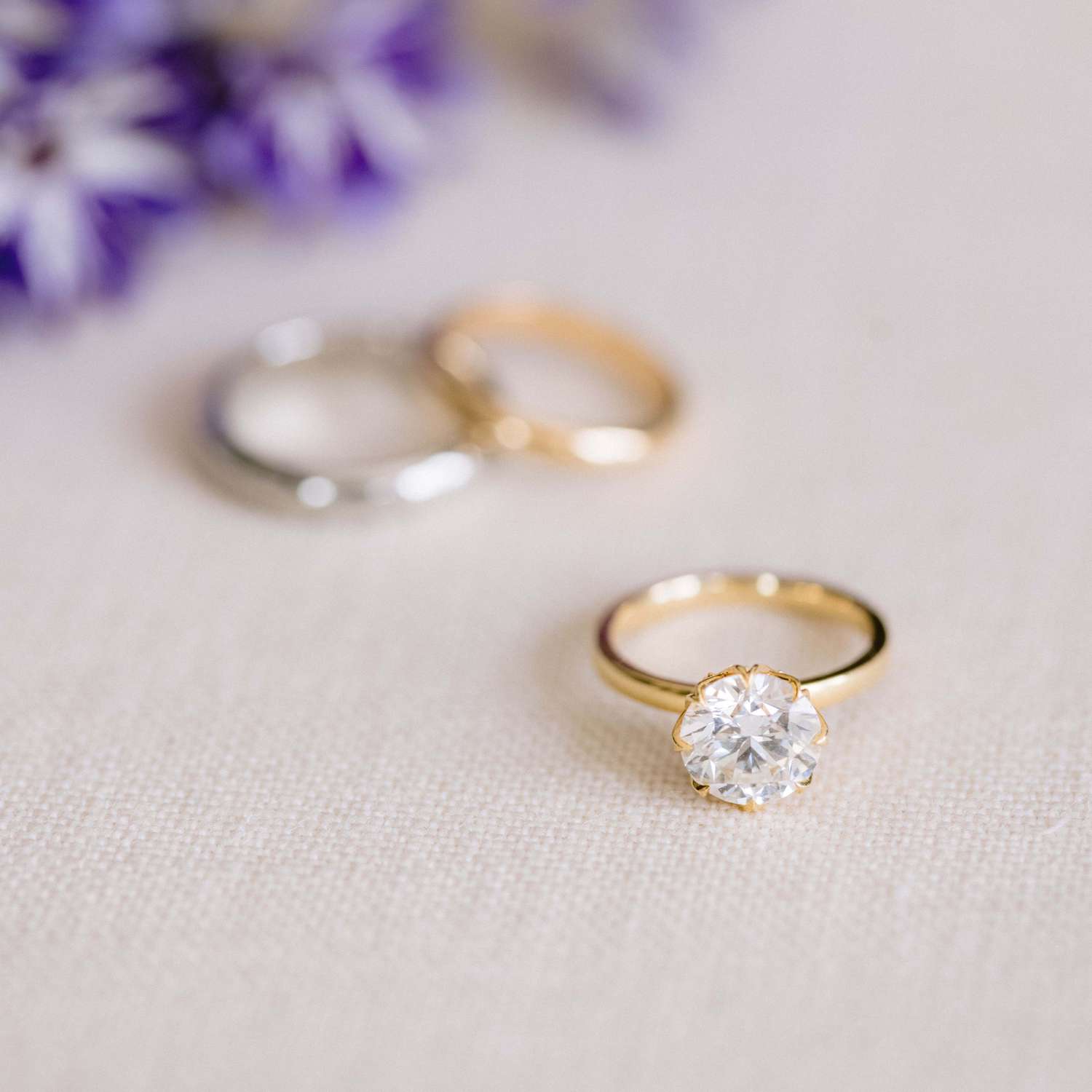
Engagement rings, wedding bands, and other ornamental jewelry pieces often hold profound sentimental value. They not only symbolize enduring love but also mark significant life milestones. However, as time passes, our bodies inevitably change; weight fluctuations or shifts in lifestyle can render the once-perfectly-fitted ring a problematic accessory. This leads us to a common question: how much would it cost to get a ring resized? The answer is multifaceted and warrants deeper exploration.
Resizing a ring is an artful undertaking, merging both craftsmanship and precision. Various factors influence the cost associated with this service, and understanding them can equip you with the knowledge necessary to make an informed decision.
1. Material of the Ring
The first and arguably the most significant factor affecting the cost of resizing a ring is its material composition. Rings are typically fashioned from a variety of metals, including but not limited to gold, silver, platinum, and palladium. Gold rings, particularly those made from 14k or 18k gold, are generally more malleable, allowing for easier resizing. Platinum, being a denser and more durable metal, often incurs a higher cost due to its robustness and the skill required to work with it. On average, the material can influence the resizing price by $50 to $100 or more, depending on the specific type and karat of the metal involved.
2. Complexity of Design
The intricacy of a ring’s design plays a crucial role in determining the price of resizing. A simple band will likely cost significantly less to resize compared to a ring adorned with multiple gemstones or intricate engravings. Resizing such ornate pieces can require additional care and precision, potentially leading to prices that exceed standards by hundreds of dollars. Expect to pay a premium for pieces where stones are clustered closely together; resizing will necessitate careful handling to avoid damaging the gems.
3. Size Change Needed
Generally, the more drastic the size adjustment, the higher the cost. A minor size change—typically one or two sizes—may have a nominal fee ranging from $20 to $50. However, going up or down three or more sizes can dramatically increase labor and material costs, potentially pushing the price to $100 or more. This variance stems from the time and effort required by the jeweler to ensure structural integrity and aesthetic appeal post-resizing.
4. Location and Jeweler’s Reputation
The geographical location of the jeweler can also impact the pricing structure. Urban areas tend to exhibit higher costs due to elevated overhead expenses associated with rent and operation. Moreover, the jeweler’s reputation and level of expertise can significantly escalate the price. Opting for a highly reputed jeweler renowned for their craftsmanship and customer service can result in a steeper bill; however, the investment might be worthwhile given the quality assurance it typically entails.
5. Additional Repairs
During the resizing process, unforeseen issues might surface, such as loose stones or weakened settings. Jewelers may recommend additional repairs to ensure that your ring remains in excellent condition. The costs for these supplemental repairs can range widely based on the work required. Therefore, it’s prudent to expect that your resizing bill could increase if further issues are identified during the resizing procedure.
6. Time Frame
The urgency of your resizing request can also be a contributing factor to final costs. Standard resizing typically takes one to two weeks, but if you need the service expedited, some jewelers may charge a rush fee. This can add anywhere from $20 to $50 to your total. For those arranging surprise engagements or special occasions, this fee may be a worthwhile expenditure for timely service.
7. Examination Fees
During the initial consultation, some jewelers may charge a nominal fee for assessing the ring’s condition or providing you with an estimate for resizing. While this may seem like an unnecessary expense, it’s a significant step for ensuring the longevity of your cherished piece. However, many reputable jewelers will waive this fee if you proceed with their services, allowing you to make an informed choice without financial repercussions.
8. Why Resizing Matters
Beyond the financial aspect, the act of resizing a ring carries emotional significance. A ring may symbolize the bond between two individuals or celebrate personal achievements. Hence, having a well-fitted ring not only enhances comfort but also reinforces its role as a cherished piece of jewelry. The process itself can feel empowering, transforming a piece that once felt mismatched into an adornment that serves as a true reflection of one’s personality and story.
Conclusion
The cost of resizing a ring is not a one-size-fits-all scenario. It is influenced by a variety of factors ranging from materials to design complexity. While the typical range for resizing might fall between $20 to $200, understanding the intricacies involved can illuminate why certain pieces merit higher costs. Ultimately, preserving the integrity and sentimental value of such an important item makes the expense a worthy investment. So, as you consider investing in a resizing service for your beloved piece, remember that both the monetary value and emotional significance intermingle to create an experience that transcends mere financial expenditure.








Leave a Comment