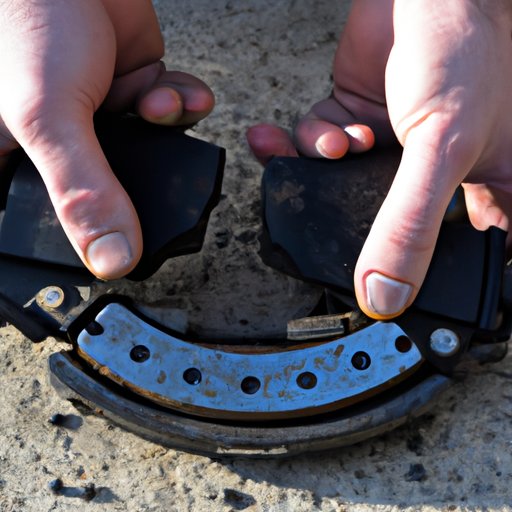
Welcome to the intricate world of automotive maintenance, where the unsung heroes of your vehicle’s safety—brake pads—hold a pivotal role. As the friction material that grips the rotors and brings your car to a halt, they directly influence not just the vehicle’s performance but also your safety on the road. Understanding the lifespan of brake pads is paramount, and what you discover may just transform how you approach vehicle maintenance. Prepare to uncover the nuances of brake pad replacement, as we delve into the factors influencing their longevity and practical tips to ensure your brakes are always in prime condition.
1. The Conventional Wisdom: Lifespan of Brake Pads
A common mantra among automotive enthusiasts is that brake pads typically require replacement every 30,000 to 70,000 miles. However, this estimate is merely a guideline, not an absolute decree. The real essence of brake pad longevity lies in understanding the contexts in which they operate, as various elements can dramatically alter their wear rate.
2. Factors That Influence Brake Pad Wear
The life expectancy of brake pads can be heavily dictated by several interdependent factors:
- Driving Habits: A principal determinant. Aggressive braking patterns or frequent stops, such as in urban driving, can hasten wear. Conversely, smooth driving techniques will foster longevity.
- Environmental Conditions: The climate plays a role as well. Frequent exposure to moisture can lead to rusting of brake components, while dusty or gritty conditions can increase wear.
- Vehicle Type and Weight: Heavier vehicles exert more pressure on brake pads. Therefore, if you drive a larger SUV or truck, expect the brake pads to wear more quickly compared to those fitted on lightweight sedans.
- Quality of Brake Pads: Not all brake pads are created equal. High-performance or premium pads often last longer than standard ones. Moreover, the choice between organic, metallic, and ceramic brake pads can alter wear rates significantly.
3. Symptoms Indicating It’s Time for a Replacement
While mileage is a helpful metric, pay close attention to the visceral signs that may indicate impending brake pad failure:
- Squeaking or Squealing Noises: This auditory cue typically signifies worn-out pads. Most new brake pads come equipped with a built-in wear indicator that produces a high-pitched sound as a warning.
- Grinding Sounds: If you hear a grinding noise, it’s an indication that the brake pads are completely worn down, leading to metal-on-metal contact. Immediate attention is necessary to avoid rotor damage.
- Vibration or Pulsation: A noticeable vibration during braking could signal warped rotors, which often occurs due to excessive heat generated by worn-out pads.
- Reduced Responsiveness: If the brake pedal feels less effective or “spongy,” it might be a sign of worn pads or other brake system issues.
4. Preventive Measures for Maximizing Brake Pad Lifespan
Taking proactive steps can significantly extend the life of your brake pads:
- Regular Inspections: Schedule routine brake inspections, especially if you drive in challenging conditions. Mechanics can assess wear levels and replace brake pads as necessary.
- Brake Fluid Maintenance: Keep an eye on brake fluid levels and condition. Contaminated fluid can impair brake function and lead to excessive wear.
- Avoid Overloading Your Vehicle: Be mindful of the weight you carry. Excess load can strain the braking system, leading to accelerated wear of brake pads.
- Upgrade Components: Consider investing in higher-quality brake pads suited to your specific driving needs, whether they be performance-oriented or daily commuting.
5. The Art of Brake Pad Replacement
Knowing when to replace your brake pads is as crucial as understanding the process itself. The replacement entails several steps:
- Gather Tools: You’ll need a jack, lug wrench, and a C-clamp, among other tools specific to your vehicle.
- Raise the Vehicle: Safely elevate your vehicle and secure it on jack stands before removing the wheels.
- Inspect Brake Components: Before replacing pads, examine rotors for damage or warping. If needed, have them machined or replaced.
- Install New Pads: Follow the manufacturer’s specifications while fitting new pads, ensuring all bolts are secured correctly.
6. Conclusion: Shift Your Perspective on Brake Maintenance
In essence, comprehending when and how often your brake pads require replacement can not only safeguard your vehicle’s performance but also enhance your safety on the road. By remaining vigilant about signs of wear, adopting preventive measures, and understanding the factors that influence durability, you can shift your perspective from reactive to proactive maintenance. Take the knowledge you’ve gained today and apply it; your brakes will thank you with a longer, safer life. Whether it’s your daily commute or cross-country excursions, ensure your brake system is always in prime condition.









Leave a Comment