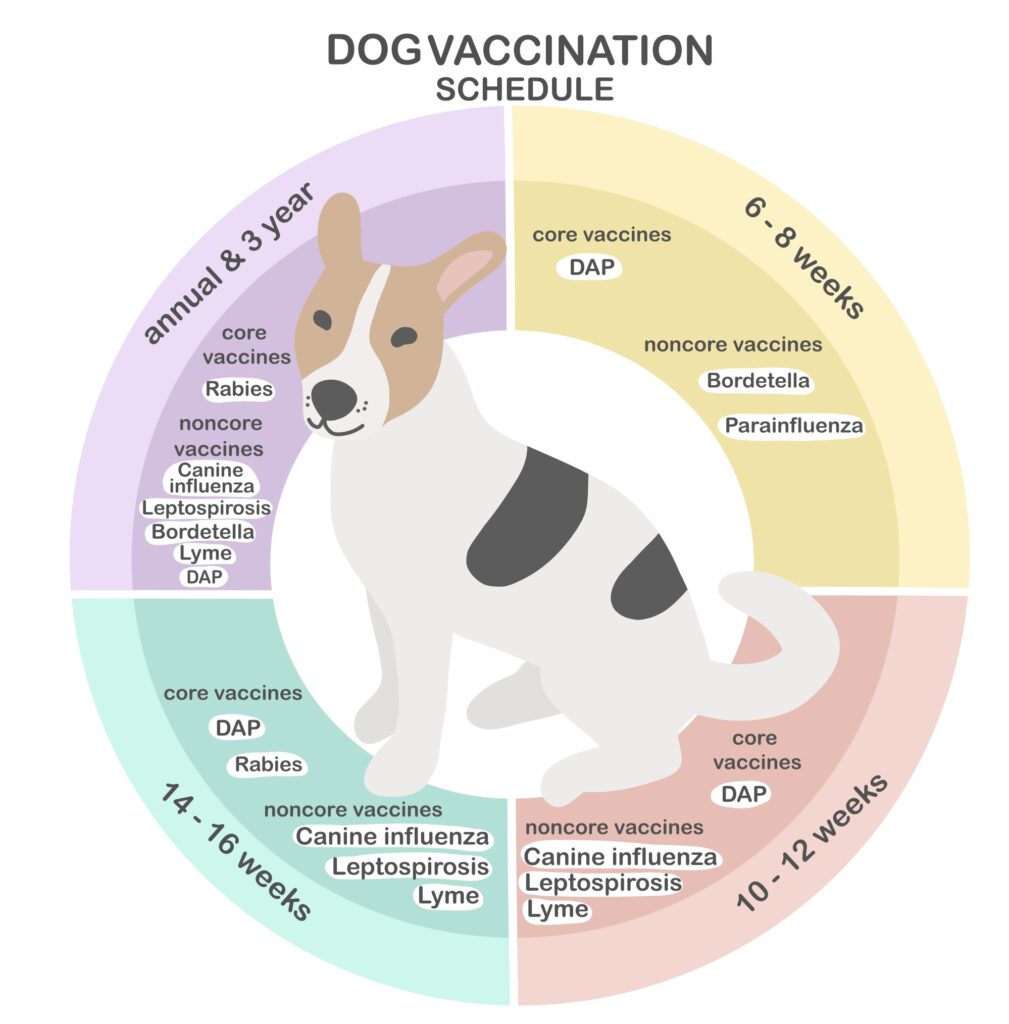
When it comes to the health and well-being of our beloved canine companions, few vaccinations are as critical as the rabies shot. This crucial immunization not only protects our pets but also serves as a frontline defense against a disease that has plagued humanity for centuries. As pet owners, understanding the frequency and schedule of rabies vaccinations can be a game-changer in safeguarding our furry friends. The journey into the world of rabies vaccinations is both enlightening and imperative, revealing insights that can reshape our perspectives on canine health.
Understanding Rabies and Its Implications
Rabies is a viral disease that affects the central nervous system and is invariably fatal once symptoms appear. Transmitted through the saliva of an infected animal, typically via bites, rabies poses a substantial risk to dogs, humans, and wildlife alike. In the United States, the Centers for Disease Control and Prevention (CDC) attribute a significant percentage of rabies cases in humans to domestic animals, primarily dogs. Such statistics underscore the paramount importance of vaccination.
Initial Vaccination: Setting the Foundation
The rabies vaccine is typically administered to dogs as part of their fundamental health regimen beginning at a young age. Most veterinarians recommend that puppies receive their first rabies shot between three and six months of age. This initial vaccination is not merely a bureaucratic step; it lays the groundwork for your dog’s immune defense against this deadly virus. Ensuring that your dog is vaccinated during this crucial period can have far-reaching effects on their health and safety.
Core Vaccination Schedule: The Law and Recommendations
Following the initial vaccination, the frequency of rabies shots is governed by various factors, including local laws, veterinary guidelines, and your dog’s lifestyle. In most regions, the law mandates a rabies vaccination every one to three years. Some states might require an annual vaccination, while others accept a three-year interval after the initial booster. The specific time frame often hinges on the formulation of the vaccine used; some vaccines are designed for more extended efficacy than others.
This variability presents an opportunity for pet owners to consult with their veterinarians to establish a vaccination schedule tailored to their dog’s individual needs. Factors influencing this schedule may include the dog’s breed, age, health status, and exposure to potentially rabid wildlife.
Understanding Booster Shots: Reaffirming Immunity
The subsequent boosters represent essential components in maintaining immunity against rabies. After the initial vaccination, dogs typically receive a first booster within one year, followed by additional shots as prescribed. Importantly, these boosters are not merely repetitions; they are vital in reinforcing your dog’s immune system’s ability to fight off rabies effectively. Think of the boosters as regular check-ins for your dog’s body, ensuring that their defenses remain robust against unforeseen encounters with the pathogen.
Exemptions and Special Circumstances: A Nuanced Perspective
While the ubiquitous recommendation is clear, some dogs may require special considerations. Dogs with documented medical conditions that may contraindicate vaccination could be eligible for exemptions. Furthermore, older dogs, particularly those with compromised immune systems, may also need alternative approaches. Discussing these nuances with a veterinarian can clarify whether adjustments to the vaccination schedule are necessary.
The Clinical and Behavioral Signs of Rabies
Recognizing the signs of rabies in dogs is crucial, even for vaccinated pets. Initial symptoms may include behavioral changes such as increased aggression, withdrawal, or irritability. As the disease progresses, dogs may exhibit excessive salivation, paralysis, and ultimately, death. Understanding these indications emphasizes the necessity of not only vaccination but also vigilance regarding your dog’s health.
Traveling or Relocating: Additional Considerations
For pet owners who travel frequently or consider relocating, the rabies vaccination schedule might necessitate adjustments. Some countries or states have stringent entry requirements for animals, including proof of rabies vaccinations. It is essential to keep abreast of the regulations in the areas to which you plan to travel. This forethought can avert the unpleasant surprises of quarantine or ineligibility for entry with your furry friend.
Community Impact: Why Rabies Vaccination Matters
The implications of rabies vaccinations extend beyond individual dogs, impacting public health. The more dog owners invest in routine vaccinations, the lower the risk of rabies outbreaks within communities. By fostering a healthy population of vaccinated pets, we contribute to the broader goal of disease eradication and enhance community safety. It’s a wonderful ripple effect, one that emphasizes the interconnectedness of our societal fabric and our responsibilities toward one another.
Conclusion: A Commitment to Canine Health
Understanding how often dogs need rabies shots entails more than adhering to a vaccination schedule; it encompasses a deep commitment to the well-being of our canine companions and societal health. Regular vaccinations create a barrier against potentially life-threatening diseases and instill peace of mind among pet owners. The exploration of rabies vaccinations reveals the multi-layered facets of canine health care — a reminder that our pets depend on us to be informed, proactive, and engaged guardians of their health. So, take that extra step: consult your veterinarian, stay informed, and appreciate the sanctity of this essential aspect of pet ownership.








Leave a Comment