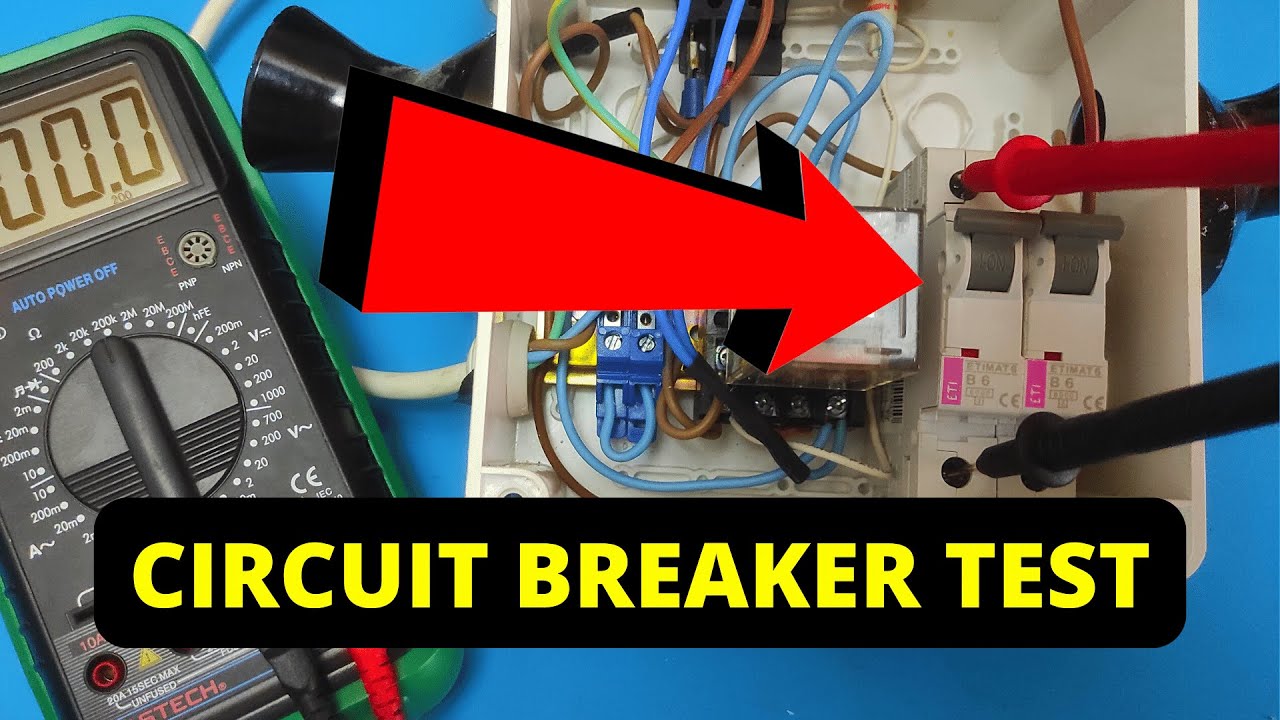
Understanding how to check a breaker can be a pivotal skill, especially for homeowners and DIY enthusiasts. This seemingly mundane task can empower you with the knowledge to troubleshoot electrical issues effectively, saving you time and money. In this article, we’ll take a deep dive into the intricacies of breaker inspection, unraveling the layers of safety and efficiency.
First, it’s essential to comprehend the function of a breaker. A circuit breaker is a safety device that automatically switches off electrical circuits when they become overloaded or short-circuited. Essentially, it acts as a guardian to prevent electrical fires and equipment damage. Knowing how to check a breaker enables you to ensure that your home’s electrical system is functioning optimally, thus fostering a safer living environment.
1. Gather Your Tools
Before embarking on your breaker inspection journey, equip yourself with the necessary tools. You will need:
- A voltage tester or multimeter
- Insulated gloves
- A flashlight
- A notepad for observations
Preparing your workspace is as crucial as the inspection itself. Ensure that the area around the breaker panel is well-lit and free of clutter. This attention to detail can mitigate hazards and promote a smooth inspection process.
2. Safety First: Preparing for the Inspection
Before diving into the intricacies of breaker inspection, prioritize safety. Put on insulated gloves to protect yourself from potential electric shock. If you have any doubts about your capabilities, consider calling a professional. Remember that safety should always take precedence over curiosity.
To ensure you have a safe environment for the inspection, take the following precautions:
- Ensure your feet are dry and the floor is free of water.
- Turn off any large appliances that may be connected to the circuit.
3. Inspection of the Circuit Breaker Panel
Open the breaker panel with caution. Take a moment to visually inspect the panel for any signs of wear, such as discoloration, rust, or melted wires. These indicators can serve as harbingers of deeper electrical issues. If you observe any irregularities, it may be prudent to consult a certified electrician before proceeding.
Next, familiarize yourself with the layout of the breakers. Each breaker is usually labeled with corresponding areas of the house or specific appliances. Understanding this configuration is vital before moving forward with functional testing.
4. Testing the Breakers
Once you have ensured that your environment is safe and the panel is free of visible issues, it is time to test the breakers. Here’s how:
- Using a voltage tester or multimeter, check the voltage at the terminals of the breaker. This measurement will confirm whether the breaker is functional.
- For breakers labeled as ‘on,’ you should read around the specified voltage (typically 120V or 240V in residential settings).
- If the voltage is absent, it indicates that the breaker may be tripped or defective. To remedy this situation, switch the breaker to the ‘off’ position and then back to ‘on.’
The act of resetting a breaker is not just about moving a switch—it is a critical moment where you can evaluate the breaker’s responsiveness. If it fails to reset, this could signal a more serious issue, and further investigation is warranted.
5. Investigate Tripped Breakers
A tripped breaker is often indicative of overload or a short circuit. If you find that a breaker trips frequently, take note of which circuits are affected. You may need to redistribute the load on the circuit or have a professional assess the situation. Look for appliances that may have a faulty wiring or are drawing excessive power. Unplugging these devices may resolve the immediate problem.
6. Document Your Findings
As you conduct your inspection, maintain a record of your findings. Documenting the condition of each breaker, including any resets, tripped instances, and observations made, will serve as a reference point for future inspections and can be invaluable for any electrician you may engage later.
7. Know When to Seek Professional Help
While many homeowners may feel empowered to check breakers themselves, there are certain instances where professional intervention is crucial. If you encounter melted wires, persistent tripping, or burning smells, it’s time to call an electrician. These scenarios indicate deeper electrical issues that require expert attention to ensure safety and compliance with electrical codes.
Conclusion
Checking a breaker transcends mere technical knowledge; it is a proactive approach to safeguarding your home and ensuring the seamless operation of your electrical systems. By equipping yourself with the right tools, following meticulous safety procedures, and understanding the workings of your circuit breakers, you’ve taken significant steps towards fostering an electrical environment that is both efficient and safe. This newfound perspective on breaker inspection not only enhances your autonomy but ensures you can confidently manage electrical hiccups, providing peace of mind in your daily life.










Leave a Comment