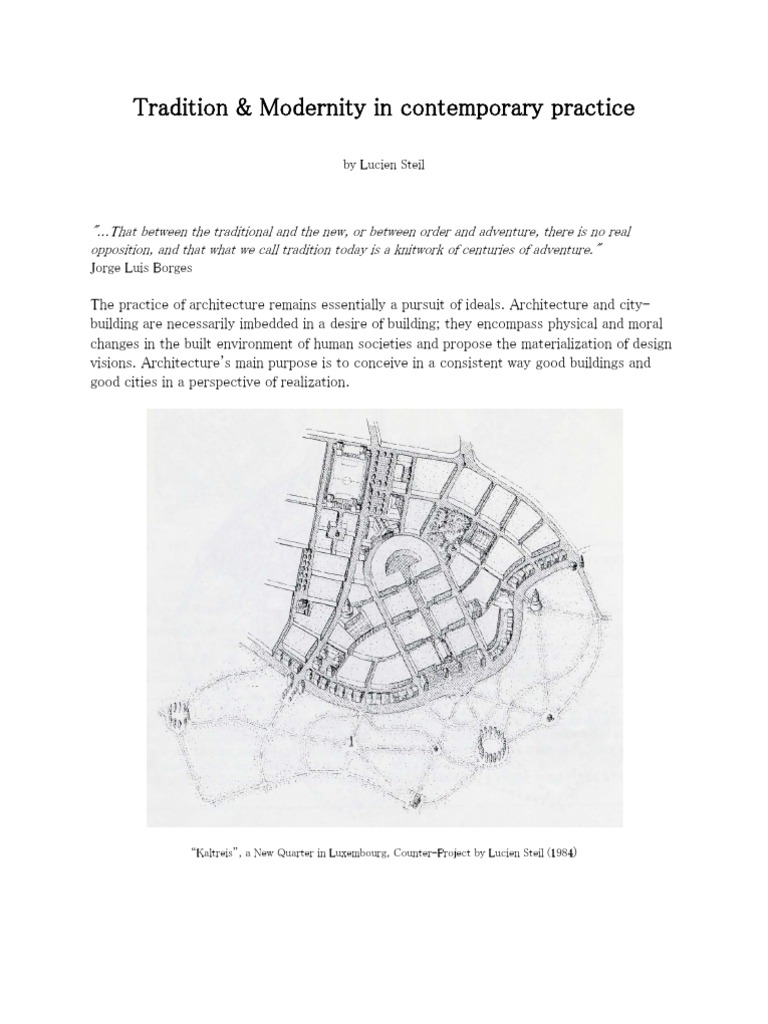
In a world that is ever-evolving, where technological advancements shape our daily lives, the notion of merging tradition with modernity becomes a tantalizing quest for many. How can we honor the time-honored practices of our ancestors while seamlessly integrating the innovations of our contemporary existence? This question invites a delightful challenge, one that requires introspection and creativity to navigate these often disparate realms. Herein lies a comprehensive exploration of strategies that facilitate a harmonious blend of the old and the new.
1. Embracing Cultural Heritage Education
To effectively converge tradition with modernity, one must first delve into the rich tapestry of cultural heritage. Understanding ancestral customs—whether they be in the form of music, art, or cuisine—provides a solid foundation for innovation. Take the time to educate yourself and others about historical narratives through workshops, documentaries, or community events. This foundational knowledge can spark a desire to reinterpret these traditions using modern artistic sensibilities, leading to novel expressions that resonate with contemporary audiences.
2. Innovating Traditional Crafts
The enchanting world of traditional crafts can benefit immensely from modern interpretations. Imagine the intricate art of pottery. By employing modern materials or incorporating contemporary aesthetics, artisans can appeal to a broader market. Even the textiles of the past can be reinvigorated through digital printing techniques, marrying ancestral patterns with futuristic designs. This duality not only preserves the integrity of the craft but also makes it relevant for today’s consumers.
3. Modern Technology as a Bridge
The advent of technology offers unprecedented opportunities to reimagine traditional practices. Consider the role of social media in disseminating knowledge about age-old customs. Platforms like Instagram and TikTok can serve as lively forums where artisans showcase their skills, clinching the attention of younger generations. Live streaming workshops or creating engaging video content can foster a dynamic dialogue between tradition-bearers and modern audiences, fostering appreciation and understanding on both sides.
4. Culinary Evolution
The culinary world exemplifies the beautiful marriage of tradition and innovation. Classic recipes can serve as a personal canvas for experimentation. Chefs around the globe are increasingly blending traditional ingredients with contemporary cooking techniques, thereby inventing fusion cuisine that reflects diverse cultural influences while captivating the palates of modern diners. Such culinary alchemy encourages exploration, prompting food enthusiasts to embark on their own gastronomic adventures while upholding ancestral flavors.
5. Reimagining Festivals and Ceremonies
Festivals and ceremonies serve as vital conduits for cultural expression. However, as societal norms evolve, so must these celebrations. Infusing modern sensibilities—like sustainability and inclusiveness—into traditional rituals designs a more relatable experience for participants. For instance, a wedding ceremony can incorporate age-old practices while adapting themes or activities that resonate with current cultural values. This not only honors the past but also crafts a unique narrative that speaks to today’s sensibilities.
6. Sustainability as a Core Principle
In an age where sustainability shapes consumer behavior, intertwining traditional knowledge with modern environmental practices becomes increasingly paramount. Many ancestral methods possess inherent ecological wisdom, offering insights into sustainable living. For example, permaculture principles preserve ancient agricultural techniques while addressing modern ecological challenges. Truly respecting tradition means heeding its teachings and finding ways to adapt them to contemporary sustainability practices, nurturing the planet for future generations.
7. Art and Design Collaborations
The synergy of art and design can catalyze dynamic dialogues between traditional aesthetics and contemporary innovation. Up-and-coming artists can collaborate with masters of traditional crafts to create pieces that deeply resonate with the sentiment of both worlds. A classic painting technique might serve as the foundation for avant-garde installations, creating a captivating visual narrative. This fusion not only revives ancient practices but also fosters new artistic movements that echo the complexities of the modern age.
8. Community Involvement and Collective Memory
Gathering community insights about cultural history can create a shared identity that binds both traditional and modern elements. Hosting community forums, cultural fairs, or storytelling nights allows for the exchange of wisdom and insights, where younger generations can learn the stories that shaped their heritage. By collectively engaging with their past, communities can establish a foundation that honors tradition while catalyzing modern innovations.
9. Teaching the Intergenerational Exchange
One of the most effective ways to bridge tradition and modernity is through teaching. Elder members of the community hold invaluable knowledge that can be passed down to younger generations. Implementing mentorship programs, where seniors can impart traditional skills and values to the youth, bridges the generational gap. In turn, younger individuals can introduce these revered practices to modern platforms, revitalizing their relevance.
10. Cultivating an Open Mindset
Finally, the journey of blending tradition with modernity requires an open mindset, unencumbered by rigid paradigms. Exploring new ideas, while remaining entrenched in cultural roots, is essential. Encouraging open dialogue about diverse perspectives allows for a more enriched understanding of both realms. This flexibility fosters creative expressions that transcend boundaries and lead to groundbreaking collaborations.
Ultimately, the amalgamation of tradition and modernity is not merely an intellectual exercise; it is a living, breathing practice that enriches our daily experiences. By exploring this captivating dialectic, we can cultivate a more profound appreciation for our heritage while simultaneously forging a path toward a creative and sustainable future. As we navigate the challenges of this quest, let us endeavor to respect our roots while courageously innovating for the times ahead. The interplay between tradition and modernity beckons us to create, inspire, and connect in ways that tear down the walls separating the past from the future.








Leave a Comment