Electrical systems are integral to our daily lives, powering everything from our essential appliances to sophisticated electronic devices. When these systems malfunction, the circuit breaker often takes center stage as a potential culprit. A malfunctioning breaker can lead to various power issues, making it vital to ascertain whether the breaker is bad. In this article, we will delve into the nuanced steps you can follow to determine if a breaker has succumbed to failure, providing clarity for both the novice and seasoned DIY enthusiast.
Understanding Circuit Breakers
Before delving into diagnostic procedures, it’s paramount to understand what a circuit breaker is and its role in an electrical system. A circuit breaker serves as an automatic switch that interrupts electrical flow in the event of an overload or short circuit, thus protecting your home’s wiring and appliances from damage. Familiarizing yourself with the types of breakers—such as standard, GFCI (Ground Fault Circuit Interrupter), and AFCI (Arc Fault Circuit Interrupter)—will significantly aid your troubleshooting efforts.
1. Observing Physical Signs of Damage
The initial step in assessing a breaker’s integrity is to visually inspect it for any overt signs of damage. Quite often, physical manifestations can signal an underlying issue:
- Burn Marks: Look for charred spots or burn marks on the breaker itself or around its panel. Such discoloration often indicates excessive heat, a strong indicator of failure.
- Uneven Switch Movement: A breaker switch should move smoothly between the ‘on’ and ‘off’ positions. If you encounter resistance or find it difficult to toggle, that’s a red flag.
- Frayed Wiring: Inspect the wiring connected to the breaker. Any signs of fraying or damaged insulation may be symptomatic of a more sinister problem.
2. Checking for Overheating
Heat is an enemy of electrical systems. If a circuit breaker is consistently hot to the touch, this could signify that it is overloaded or malfunctioning. To investigate further, you can use an infrared thermometer to measure the surface temperature of the breaker. A temperature reading significantly above normal operating conditions—generally around room temperature—suggests excessive resistance, leading to potential failure.
3. Testing with a Multimeter
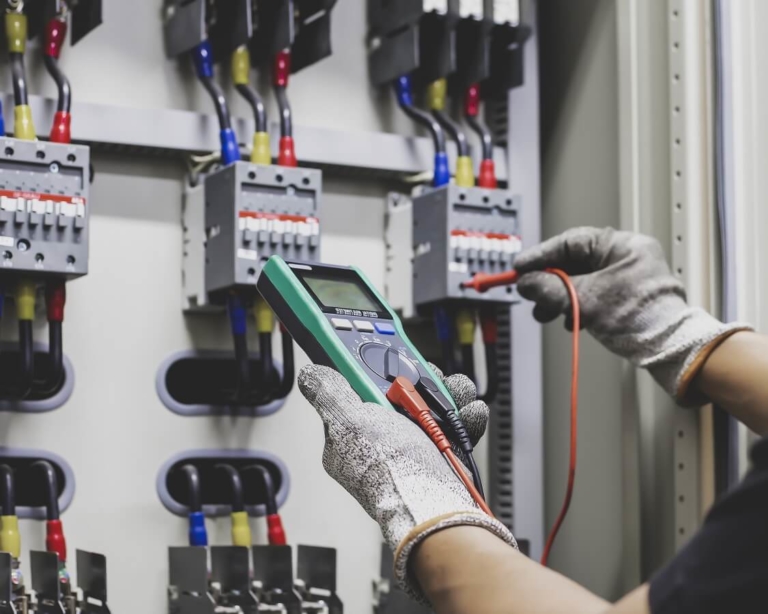
Utilizing a multimeter is an exemplary method for determining a breaker’s functionality. This tool can measure voltage, current, and resistance, all crucial indicators of a breaker’s health:
- Voltage Test: Set the multimeter to measure AC voltage. Carefully probe the load side of the breaker while it’s in the ‘on’ position. A reading of zero indicates that the breaker is not supplying power, thus hinting at potential failure.
- Continuity Test: With the power turned off, you can measure continuity by placing the multimeter probes on the breaker terminals. A lack of continuity means the circuit is open, indicating that the breaker has malfunctioned.
4. Monitoring Tripping Patterns
When a breaker frequently trips, it’s an unequivocal sign that something is amiss. However, the cause could be from overloaded circuits, a short circuit, or a failing breaker itself. To evaluate the situation:
- Load Analysis: Assess the load on the circuit. If it consistently exceeds the breaker’s rated capacity, it may contribute to tripping. Reducing the number of devices on that circuit can help ascertain if the breaker is simply handling too much.
- Test with Known Loads: By connecting a known load (like a lamp) and observing whether the breaker trips, you can determine whether the issue stems from the breaker or an external factor.
5. Identifying Flickering Lights and Appliance Issues
Odd behaviors such as flickering lights or straining appliances can often be traced back to problematic breakers. Observations to consider include:
- Flickering Lights: If lights dim or flicker when appliances turn on or off, it may indicate a wiring or breaker issue, demanding closer inspection.
- Appliance Performance: Appliances that do not operate efficiently or exhibit erratic behaviors, like stalling or fluctuating power, could be symptomatic of a failing breaker.
6. Seeking Professional Assistance
Sometimes, determining whether a breaker is faulty requires expertise beyond personal inspection. If after conducting the above tests, the issue remains unsolved, it may be time to consult a licensed electrician. A professional can utilize advanced diagnostic tools and techniques, ensuring that the electrical system remains both safe and functional. Remember, working with electricity can pose significant hazards, and professional guidance is often warranted.
In conclusion, recognizing the signs of a failing circuit breaker is vital for maintaining the integrity of your electrical system. Through careful observation and systematic testing, you can distinguish between a malfunctioning breaker and other issues within your system. Taking proactive measures will not only extend the lifespan of your electrical components but will also contribute to a safer home environment. Stay vigilant, and don’t hesitate to enlist professional help when necessary to safeguard your electrical well-being.









Leave a Comment