Imagine embarking on a journey—an adventure filled with potential, yet ensnared by the mundane task of low tire pressure. While it may seem trivial, the reality of properly filling your tires with air can significantly alter your driving experience. This guide transcends the ordinary filling process, offering a comprehensive exploration that promises clarity and instills confidence. Delve in, as we unearth the essential components of tire inflation that many overlook.
Understanding Tire Pressure
Before you embark on this tire-filling endeavor, it’s imperative to grasp the significance of maintaining proper tire pressure. Tires inflated to the manufacturer’s recommended levels ensure optimal performance, enhance fuel efficiency, and extend the life of your tires. Underinflation can lead to diminished traction, increased tire wear, and potential blowouts, while overinflation creates a harsher ride, compromising stability. Educating yourself about the ideal pressure—usually measured in psi (pounds per square inch)—will set the foundation for seamless tire inflation.
Gathering Your Supplies
With knowledge in hand, the next step encompasses assembling the necessary equipment. You’ll require a few deceptively simple tools: an accurate tire pressure gauge, an air compressor (portable or at a gas station), and, in some cases, an adapter if you’re utilizing a specialized valve stem. The importance of using a calibrated pressure gauge cannot be overstated; inaccuracies at this stage may lead to over or under-inflation, negating all efforts. Ensure your compressor is functional and consider keeping it in your vehicle for emergencies. What may seem trivial is actually a lifeline on lonely backroads.
Checking Current Pressure
Initiate the process by checking your tire’s current pressure. Remove the valve cap from the tire and firmly press the pressure gauge onto the valve stem. Observe the reading; if you’re catching signs of under-inflation, it’s time to reignite the filling process. Curiously, you might discover that one tire is lacking compared to the others—a phenomenon often connected to irregular pressure dispersal through driving habits or the terrain you traverse. Make a mental or physical note of each tire’s pressure, ensuring a comprehensive approach to inflation.
Location, Location, Location
Positioning is paramount when it comes to filling tires with air. If you’re utilizing a public air compressor, ensure that your vehicle is parked on level ground. This minimizes risks of mishandling the equipment while also ensuring your tires are radiating an accurate pressure reading. Finding the perfect spot may not seem significant, but achieving an even pressure fill becomes much simpler when you’re stable and secure.
Filling the Tire with Air
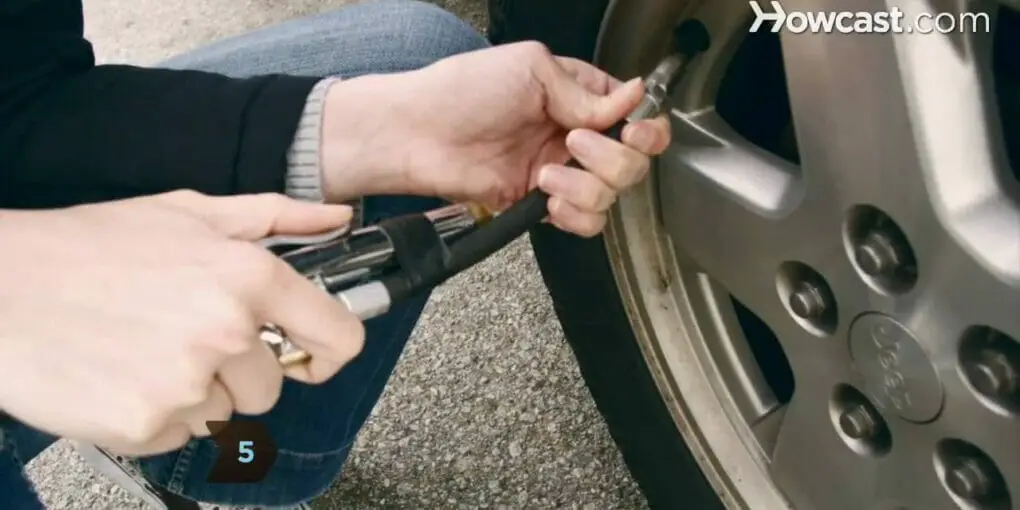
With everything prepped, it’s finally time to inflate your tires. Approach the air compressor with confidence, equipped with your objective: to restore your tires to their rightful pressure levels. Attach the air hose to the valve stem, ensuring a tight fit to prevent any unceremonious hissing. Gradually activate the compressor. Unlike the swift rush of air you might expect, the process should embody patience. Frequently pause to check the gauge readings after a few seconds of inflation, adjusting as necessary. This moment also serves as an opportunity to reflect on air’s ethereal nature—its ability to transform flat tires into vehicles of empowerment.
Adjusting and Final Checks
Upon nearing the recommended pressure level, adopt a meticulous approach. Disconnect the hose and quickly replace the valve cap to guard against dust and debris. It’s essential to double-check the pressure once more using your gauge, solidifying the accuracy of your inflation efforts. Every tire should now be on par, reflecting a uniform balance that speaks to both safety and performance.
Understanding Seasonal Considerations
Now that our tires are filled and poised for the road, it’s vital to contemplate the seasonal shifts that impact tire pressure. As temperatures drop, the air within the tires contracts, often leading to a discernible decrease in pressure. Conversely, warmer temperatures cause the air to expand, potentially leading to overinflation. A keen awareness of this natural phenomenon is pivotal, particularly as seasons change, ensuring safety remains paramount year-round.
Maintaining Tire Health
In the realm of automotive care, tire inflation is merely one component of an intricate system requiring consistent attention. Regularly assess not only tire pressure but also tread depth and general wear. This holistic mindset fosters longer tire life and enhances your driving experience, embodying a proactive approach to vehicle upkeep.
Conclusion: The Journey Ahead
With your tires now filled to optimal levels, you are well-prepared to head out on your next journey. The ritual of inflating your tires is an empowering process, a small yet significant act that can enhance fuel economy, improve vehicle handling, and most importantly, ensure your safety. By embracing the intricacies of tire care, you transform a seemingly mundane task into an engaging exploration. So the next time you approach the air compressor, remember: you’re not just filling tires; you’re invigorating your vehicle for all the adventures that lie ahead.










Leave a Comment