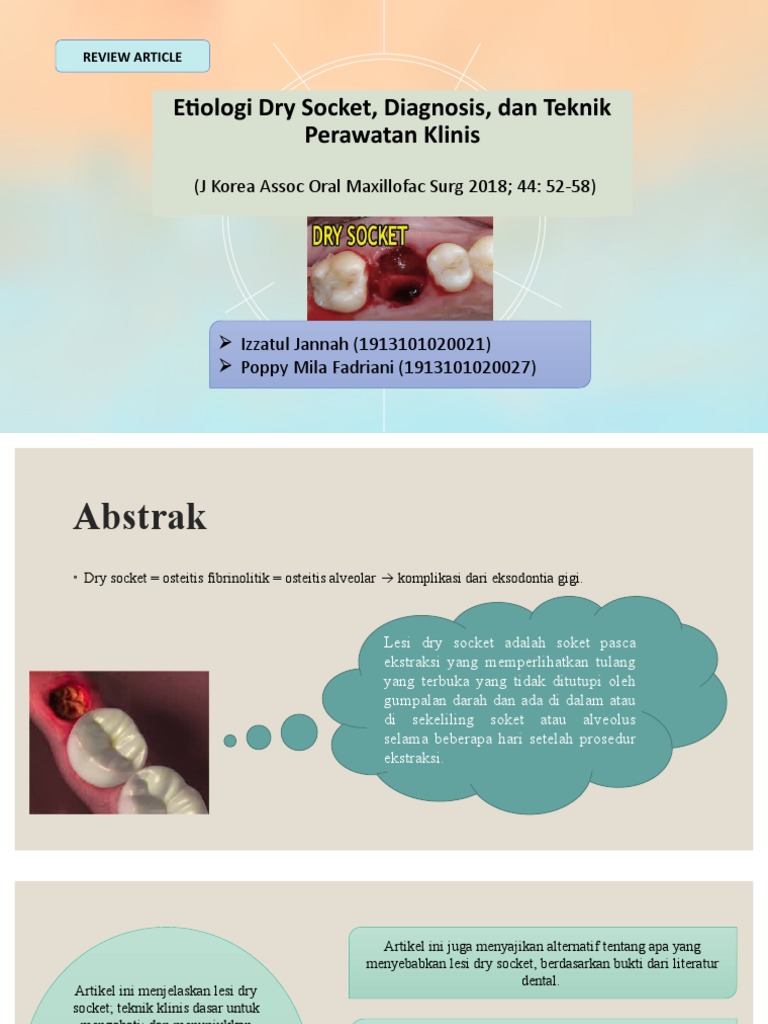
Experiencing a dry socket can be an excruciating ordeal following a tooth extraction. This condition, known scientifically as alveolar osteitis, occurs when the blood clot that forms in the socket after an extraction either dissolves or dislodges, exposing the underlying bone and nerves. The pain can be debilitating, often radiating into the ear, eye, or neck. As painful as it is, understanding dry socket can illuminate the reasons why it occurs, the preventive measures to take, and the remedies to employ when faced with this frustrating situation. Below is a detailed guide on how to get rid of dry socket and alleviate the accompanying discomfort.
Understanding Dry Socket: The Underlying Causes
Before delving into treatment options, it is essential to unpack the multifaceted causes of dry socket. Factors contributing to its occurrence include:
- Smoking: Nicotine can impede blood flow and delay healing, increasing the likelihood of a dry socket.
- Oral Contraceptives: Women on hormonal contraceptives may find themselves at a heightened risk due to hormonal fluctuations affecting blood clotting.
- Improper Aftercare: Negligence in following post-operative care instructions laid out by the dentist can exacerbate the chances of developing this condition.
- Infection: A pre-existing infection at the extraction site can jeopardize the stability of the blood clot.
- Trauma: Excessive activity or trauma to the extraction site can dislodge the clot.
The Symptoms of Dry Socket
Understanding the symptoms is crucial for early detection and management. Some common indicators include:
- Severe pain that typically begins two to five days post-extraction
- Visible bone in the socket
- An unpleasant taste or odor emanating from the socket
- Swollen lymph nodes
- Radiating pain to other parts of the face
Preventive Measures: Keep the Problem at Bay
Although misfortune can strike, there are proactive steps one can adopt to mitigate the risk of developing a dry socket:
- Avoid Smoking: At least 48 hours post-extraction, refrain from smoking to prevent complications.
- Follow Aftercare Instructions: Adhere to all post-operative directions provided by your dentist, including diet restrictions and oral hygiene practices.
- Limit Physical Activity: Engaging in high-intensity workouts can increase pressure in the mouth, risking dislodgment of the blood clot.
- Stay Hydrated: Drink plenty of fluids but avoid using straws, which can create negative pressure and disrupt the healing process.
- Use Antiseptic Rinses: Gentle rinsing with a prescribed mouthwash can soothe the area and decrease infection risk.
Immediate Remedies for Dry Socket
If despite your best efforts, you do end up with a dry socket, various treatment options can help relieve discomfort:
- Pain Management: Over-the-counter analgesics like ibuprofen or acetaminophen can provide temporary relief. In cases of severe pain, your dentist may prescribe stronger medication.
- Warm Saltwater Rinses: Gently rinsing your mouth with warm saltwater can soothe the socket and promote healing.
- Pack the Socket: A dentist can place a medicated dressing in the socket. This dressing not only alleviates pain but also protects the area while healing occurs.
- Topical Anesthetics: Over-the-counter topical gels can provide temporary relief to the affected area.
- Adequate Rest: Allowing your body time to rest is paramount. Sleep enhances recovery and reduces stress on the mouth.
When To Seek Professional Help
While many can manage the symptoms of dry socket at home, certain situations warrant urgent professional attention:
- If you experience nausea or vomiting along with pain, it may indicate a severe reaction, requiring immediate medical care.
- If topical treatments and over-the-counter medications fail to alleviate the pain after a few days, return to the dentist for a more thorough evaluation.
- Should you notice any signs of infection, such as fever or pus discharge from the socket, consult your dentist without delay.
Conclusion
In summary, navigating the path of recovery after a tooth extraction can be arduous, particularly when faced with complications like dry socket. Understanding the causes, symptoms, preventive measures, and remedies is vital. By adhering to this guide, one can breed not only patience but also knowledge—an invaluable asset during recovery. Should challenges persist, seeking out professional guidance becomes imperative. This comprehensive approach to managing dry socket paves the way for a smoother healing process and a return to optimal oral health.











Leave a Comment