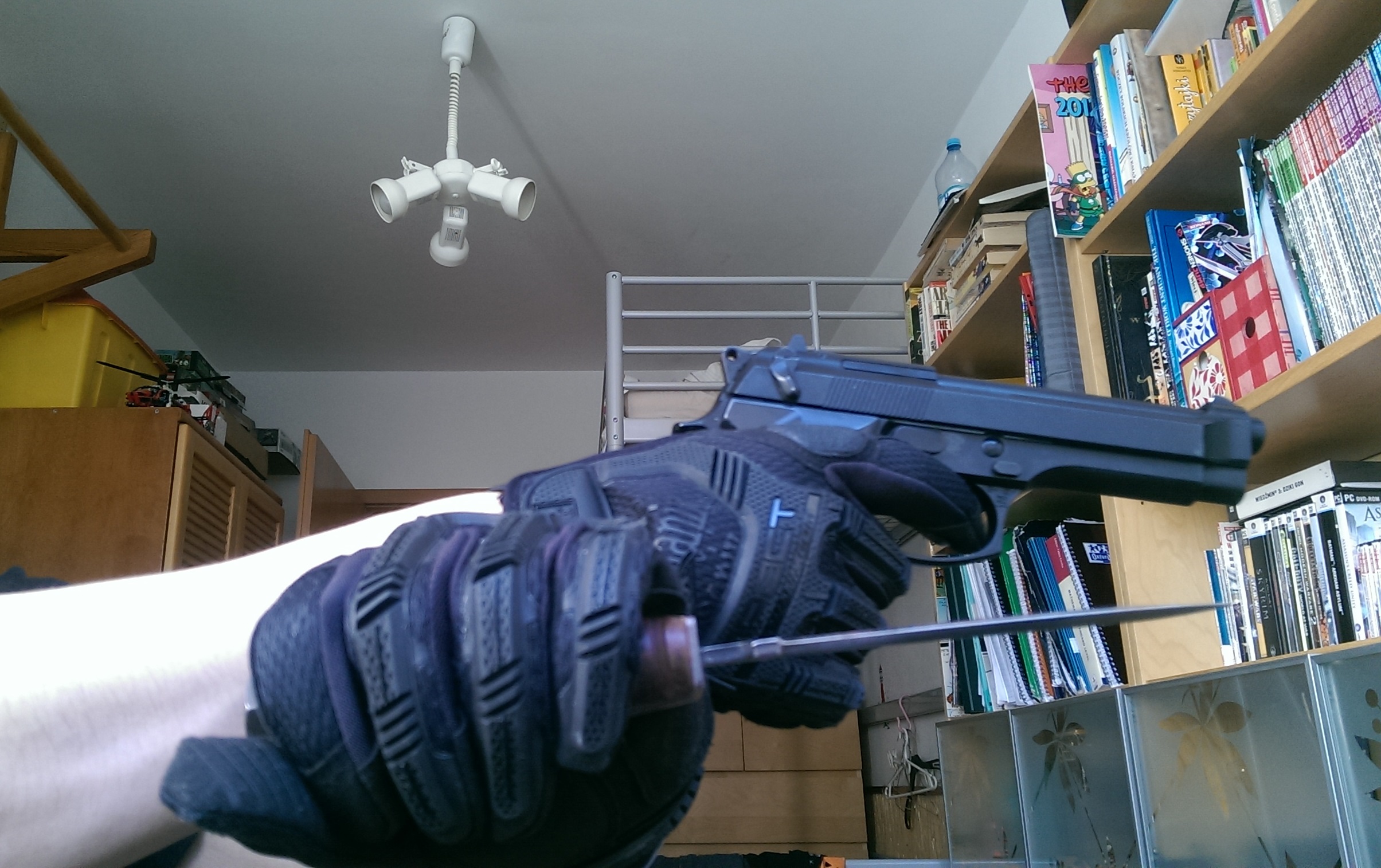
Gripping a pistol is an essential skill that not only affects accuracy but also influences safety. The right grip can make the difference between a steady shot and an errant round. This article delves into various aspects of gripping a pistol, offering a comprehensive guide for both novice enthusiasts and seasoned shooters alike. From understanding grip types to mastering techniques, this will serve as your definitive resource on the matter.
Understanding the Importance of Grip
Before delving into the mechanics of gripping a pistol, it is paramount to appreciate why grip is crucial. A proper grip stabilizes the firearm, minimizes recoil, and helps maintain alignment with the target. It also ensures better control, which can drastically reduce the likelihood of mishaps. As such, mastering grip is as much about enhancing performance as ensuring safety.
The Basic Components of a Pistol Grip
A pistol grip comprises several critical components, each playing a significant role in wielding the firearm effectively:
- Grip Angle: The angle formed between the barrel and the shooting hand is vital for alignment and aiming.
- Grip Size: Comfort is paramount; the grip should fit snugly in your hand without excess space, allowing for better control.
- Grip Texture: The surface of the grip affects handling; options include smooth, rough, or textured finishes for enhanced friction.
- Strong Hand vs. Support Hand: Mastering the dynamics between both hands is essential for a balanced and consistent grip.
Types of Pistol Grips
Grips can be categorized into various types, each with its unique characteristics and advantages. Familiarizing oneself with these can aid in finding the perfect grip style:
- High Grip: Positioning the hand high on the backstrap allows for greater control, reducing muzzle rise during firing.
- Weaver Grip: This stance offers stability and power, engaging both the strong and support hands effectively.
- Serrated Grip: Some grips feature serrations for increased tactile feedback, enhancing control during rapid firing sequences.
- Thumb Over Grip: This advanced grip involves placing the support hand’s thumb over the strong hand, offering more stability and control.
Step-by-Step Guide to Proper Grip
Gripping a pistol effectively involves a systematic approach. Follow these steps for optimal results:
- Choose the Right Pistol: Ensure that the firearm fits your hand. Test various options to find the most comfortable grip size.
- Establish Your Stance: Stand firm with feet shoulder-width apart. Position your body at a 45-degree angle to the target for stability.
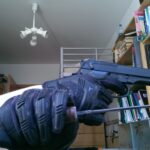
- Place Your Strong Hand: Grip the pistol with your dominant hand, ensuring that the web of your hand sits high on the backstrap to prevent recoil from lifting the firearm.
- Engage Your Fingers: Wrap your fingers around the grip securely. The index finger should naturally lie along the frame, outside the trigger guard until ready to shoot.
- Integrate the Support Hand: Position your non-dominant hand on the pistol; it should envelop the strong hand, with the thumb resting along the grip for added control.
- Check Your Thumbs: Ideally, your thumbs should point forward. This not only aids in control but also reduces the risk of slippage.
- Maintain an Extended Grip: Ensure that the grip remains consistent throughout the firing sequence. Muscle memory is pivotal for accuracy.
Grip and Trigger Control
While grip is vital, it must be complemented by effective trigger control. A poor grip can diminish any advantages gained from mastering the trigger. The following tips can enhance your trigger discipline:
- Utilize the Pad of the Finger: Always use the pad of your index finger on the trigger, as this offers better precision and less chance of jerking the shot.
- Practice the “Surprise Break”: Aim to apply pressure on the trigger smoothly until the shot surprises you, which can ameliorate flinching.
- Maintain Finger Alignment: Keep the finger away from the trigger guard until ready to fire, emphasizing safety and control.
Common Mistakes to Avoid
Even experienced shooters can develop bad habits. Recognizing these pitfalls is essential for improving grip and, subsequently, performance:
- Overgripping: Excessive grip pressure can lead to tremors. Aim for a firm but relaxed grip to enhance accuracy.
- Incorrect Finger Placement: Misplacing fingers can result in lack of control or unsafe handling; ensure proper alignment.
- Neglecting the Support Hand: The support hand plays a pivotal role in stabilizing the shot; neglecting its importance can lead to inaccurate shooting.
Fostering Improvement Through Practice
Ultimately, the key to honing your pistol grip lies in regular practice. Incorporate drills that focus specifically on grip and trigger control. Consider utilizing dry firing exercises, which can safely enhance muscle memory without the need for ammunition. Seek professional guidance when available, as an experienced instructor can provide constructive feedback tailored to your technique.
Conclusion
In mastering the art of gripping a pistol, you lay the foundation for improved accuracy and safety. Through understanding the intricacies of grip types, essential techniques, and frequent practice, you elevate not only your proficiency but also your confidence as a shooter. Always remember that a proper grip is integral to the responsible and effective use of firearms. Whether for sport, self-defense, or competition, refining your grip skills will undoubtedly serve you well in any shooting scenario.






Leave a Comment