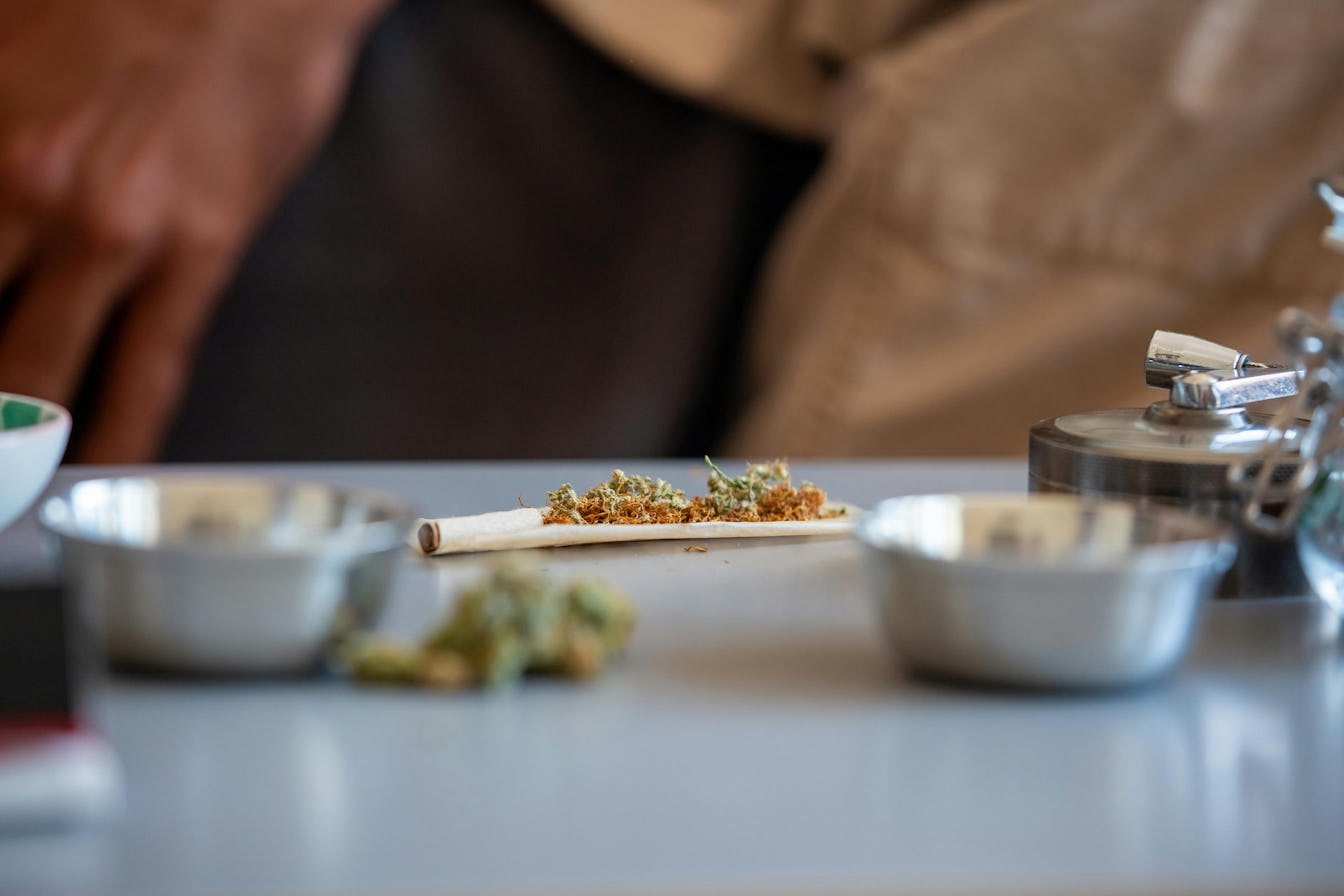
In recent years, the legalization and acceptance of cannabis have surged, transforming a once clandestine pastime into a mainstream activity enjoyed by many. However, with this newfound liberty comes a shadowy concern—whether the weed consumed is pure or tainted with harmful additives. The unsettling reality is that laced marijuana can pose significant risks to health and safety. The following guide elucidates the nuances of identifying potential adulteration in cannabis, fostering a heightened awareness that could very well protect users from unforeseen consequences.
Understanding the Risks of Laced Weed
Before diving into the telltale signs of laced marijuana, it’s imperative to grasp the potential dangers. Cannabis can be adulterated with an array of substances ranging from the innocuous—such as synthetic cannabinoids—to the hazardous, including toxic chemicals or even hard drugs. Knowing how to differentiate pure cannabis from its impure counterparts can significantly alter your experience, ensuring it remains pleasurable rather than perilous.
Visual Inspection: Appearance Matters
One of the most immediate methods of assessing cannabis integrity lies in visual examination. Pure marijuana typically exhibits vibrant colors—sects of green, touches of purple or orange, and the occasional glistening of trichomes. Here’s what to scrutinize:
- Color: Look for a spectrum of greens, bright orange hairs, or the crystalline sparkle of trichomes. Dull or discolored weed may indicate impurities.
- Texture: Crumbly or excessively sticky textures aren’t just annoying; they could signify that additives or chemicals have been introduced.
- Presence of Contaminants: Inspect for foreign particles like hair, plastic, or unusual debris. If you notice anything amiss, it’s time to reconsider your choice.
Olfactory Clues: Trust Your Nose
Next, consider the aromatic qualities of the cannabis. A genuine strain will emit a robust, distinctive aroma that reflects its unique profile—a synergy of earthy, citrus, and pungent notes. When investigating potential adulteration, heed the following considerations:
- Unpleasant Smells: A chemical or overly sweet scent can be indicative of additives. A foul odor may be a sign of rot or contamination.
- Lack of Fragrance: If the cannabis is lacking in smell, it’s a cause for concern. Pure strains have a rich bouquet, while laced weed may lack olfactory character.
Texture and Consistency: Feel It Out
Another layer of examination involves tactile sensations. Cannabis should feel dry but not crumble upon touch; it should possess a slight stickiness if trichomes are present. When assessing cannabis:
- Stickiness: The presence of an unusual tackiness may indicate the presence of sugars or glue-like substances. Pure cannabis maintains a delicate balance.
- Density: If the buds are overly dense, they might have been compacted with foreign substances. Ideal cannabis should be firm yet springy.
Burn Test: The Flame Speaks
A simple yet revealing home test involves observing how the weed ignites and burns:
- Color of Ash: Pure cannabis should burn to a white or light gray ash. Dark or black ash can indicate the presence of chemicals or additives.
- Flame Characteristics: If the weed sparks or crackles excessively, it may be due to excess moisture or contaminants, hinting at impurities.
- Smell of Smoke: Pay attention to the aroma of the smoke when inhaled—if it smells chemically or artificial, refrain from consuming it.
Effects: Monitoring Your Experience
Even if the visuals and odors seem acceptable, it’s critical to remain vigilant to the effects experienced post-consumption. Users should ask themselves:
- Unusual Reactions: If the effects are significantly different from what you typically experience, this could be a sign of lacing. Look out for paranoia, extreme sedation, or disorienting sensations.
- Duration of Effects: If the high lasts unusually long or short, this might suggest additives have altered the expected experience.
Trust Your Source: Do Your Research
Perhaps the most effective method to ensure your weed remains uncontaminated lies in sourcing it from reputable dispensaries. A trustworthy provider should provide lab testing results and transparency about their cultivation processes. Questions to ask include:
- Lab Testing: Has the cannabis been lab-tested for purity and potency? Reliable vendors will furnish these results.
- Reputation: Conduct research on the dispensary or dealer. Online reviews and word-of-mouth recommendations can illuminate potential red flags.
Conclusion: Prioritize Your Safety
In the realm of cannabis consumption, awareness and caution are paramount. Recognizing the signs of laced weed can significantly empower individuals, safeguarding their well-being while allowing them to enjoy a guilt-free experience. By engaging in meticulous observation and mindful selection, users can enhance their understanding of what constitutes pure cannabis. In this evolving landscape of legalization, let detachment from ignorance guide the journey towards safe and enriching experiences. Be informed, be cautious, and most importantly, prioritize the sanctity of your health.










Leave a Comment