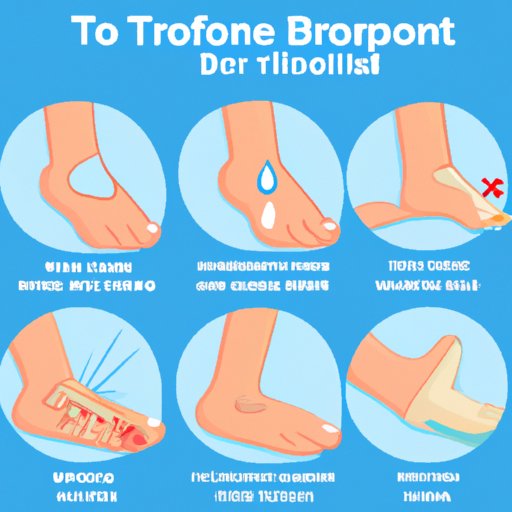
Comprehending the fragility of the human body is akin to deciphering a finely woven tapestry; each thread is susceptible to wear and tear, especially when confronted with the rigors of life. Among these delicate components, the toes—those often-underrated appendages—serve a crucial role in our balance and locomotion. A broken toe, while seemingly innocuous in comparison to more severe injuries, can elicit significant discomfort and disruption. Knowing how to discern whether you have broken your toe can save you from further complications and unnecessary panic. Here, we will delve into a detailed exploration of the signs, symptoms, and subsequent steps to take should you find yourself grappling with an injury of this nature.
1. Understanding the Mechanisms of Injury
Before we dissect the nuances of a broken toe, it’s essential to grasp how such an injury typically occurs. The toe is a vulnerable structure, often subjected to blunt force from accidental impacts—think of stubbing your toe against the corner of a piece of furniture or dropping something heavy upon it. Each collision can cause trauma, leading to fractures that range in severity from hairline cracks to more serious breaks.
2. Recognizing the Signs and Symptoms
When faced with potential injury, paying close attention to your body’s signals is paramount. Here are several key indicators that may suggest you have broken your toe:
- Pain: If the pain resonates like a storm in a teacup, surging when pressure is applied, this could be a strong indicator of a fracture. The discomfort can intensify with movement, making it unbearable to walk or even stand.
- Swelling: Observe any puffiness or inflammation surrounding the toe. Swollen digits can resemble a balloon filled with water, often accompanied by bruising, which can herald a fracture.
- Discoloration: A broken toe may present with a color palette of purples, blues, or yellows. Ecchymosis is common, forming as blood leaks from damaged vessels beneath the skin.
- Deformity: Look for any irregularities in the toe’s alignment. A toe that is out of place, appearing to lean unnaturally, may indicate a fracture.
- Difficulty Moving: The inability to flex or extend the toe suggests that something may be amiss. If your toe feels stiff, it might not simply be due to the shock of the injury.
- Sound: Often, along with the injury itself, one might hear an audible snap or crunch at the moment of impact, reminiscent of twigs breaking beneath a heavy footfall.
3. Self-Examination Techniques
If you suspect a toe fracture, the first step is to conduct a thorough examination:
- Inspection: Take a close look at the affected toe. Any visible deformity or abnormality warrants attention.
- Compression Test: Gently squeeze the toe to assess your pain response. If the pain escalates, it’s probable that a fracture exists.
- Movement Range: Attempt to move your toe. If it feels stiff, locked, or induces pain, you may have a break.
4. When to Seek Professional Help
While the signs and symptoms mentioned may provide a preliminary understanding, certain conditions warrant immediate medical attention:
- If bone protrudes through the skin, this requires emergency treatment.
- If there is extreme swelling, and you are unable to move the toe at all, a medical professional should evaluate the extent of the injury.
- If you begin to notice signs of infection—such as increased redness or warmth around the area—or if fever develops, you must seek assistance promptly.
5. Diagnostic Measures
Once in the capable hands of a medical professional, you may undergo various assessments:
- X-rays: These are commonly employed to visualize the bones and ascertain if a fracture is present.
- CT Scans: For more complex injuries or those not easily visible on an X-ray, a CT scan may provide detailed images of bone structures.
6. Treatment Options
The course of treatment for a broken toe depends upon the severity:
- Rest & Elevation: Initially, resting the foot and elevating it can reduce swelling and pain.
- Ice Application: Apply ice to minimize swelling. Just be cautious not to apply ice directly to the skin; use a cloth as a barrier.
- Buddy Taping: If a fracture is deemed uncomplicated, buddy taping—taping the injured toe to its neighbor—can provide support and stability.
- Medical Intervention: In cases of severe fracture, a doctor may recommend a splint or cast, and in rare cases, surgery to realign the bones.
Conclusion
Understanding whether you have broken your toe is not merely about identifying pain; it’s an intricate mosaic of symptoms, signs, and sensible self-examinations. By paying close heed to your body’s cues and seeking appropriate medical guidance when necessary, you can ensure an efficient recovery. Remember, the smallest figures among us deserve attention and care. Treating your injury with respect will allow your feet—the unsung heroes of mobility—to return to their rightful duties unmarred by disruption. Keep in mind that effective healing is an art form unto itself, requiring patience, understanding, and a hint of self-care.










Leave a Comment