Understanding the intimate mechanics of your vehicle often transcends mere curiosity, especially when the situation demands immediate attention. One of the most disconcerting experiences for any driver is encountering a lifeless car battery. It can happen abruptly, leaving one stranded and pondering not just the technical specifics but also the underlying significance of this essential component. Recognizing the signs of a failing battery can not only save you time and money but also deepen your appreciation for the intricate workings of modern automobiles. Let’s embark on a detailed exploration of how to ascertain whether your car battery is, indeed, dead.
1. Dim or Flickering Lights
One of the most immediate indicators that your car battery may be declining is the presence of dim or flickering headlights. When you start your vehicle, if the lights appear weak or fail to shine consistently, it’s a telling sign that the battery is struggling to deliver adequate power. Moreover, this symptom persists even when the vehicle is in operation—a more alarming scenario indicating potential systemic electrical issues.
2. Difficulty Starting the Engine
Experiencing trouble starting your engine? This can often manifest as a sluggish or hesitant cranking sound. When you turn the key, listen for a clicking noise. This sound suggests the battery is not emitting enough voltage to engage the starter motor effectively. Repeated efforts may lead to a gradual deterioration, invoking irksome moments that could potentially preclude your daily obligations.
3. Dashboard Warning Lights
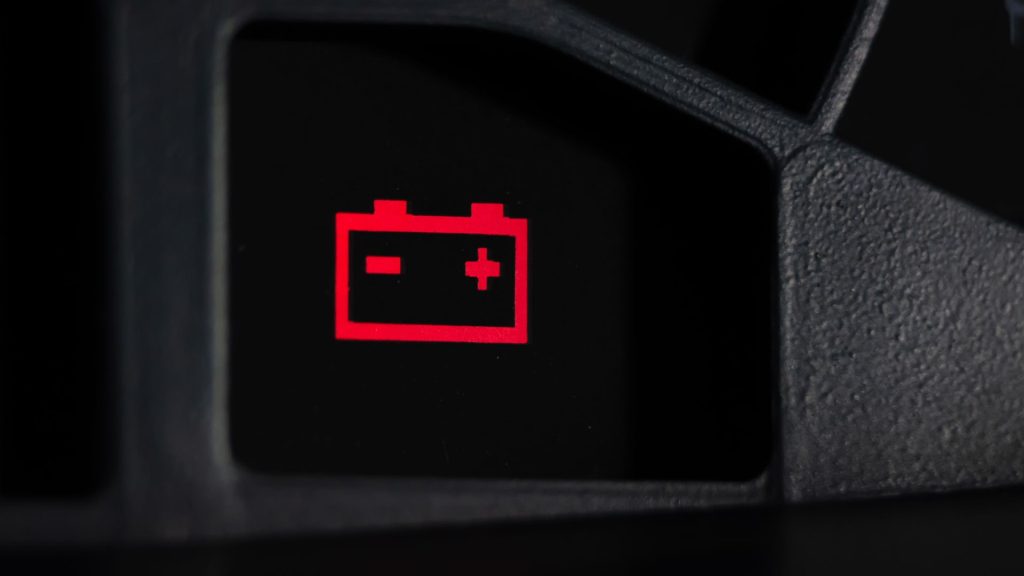
Modern vehicles are equipped with sophisticated onboard diagnostics systems that alert drivers to various issues. Should the battery warning light unexpectedly illuminate on your dashboard, it serves as a harbinger of electrical irregularities. It’s essential to heed this warning, as it may indicate a failing battery or, in some instances, a flawed alternator that fails to recharge the battery effectively.
4. Swollen Battery Case
Examine the physical state of the battery itself. If you observe bulging or swelling of the battery casing, it’s an unequivocal indication of internal damage, often exacerbated by excessive heat or overcharging. These physical manifestations should never be ignored, as they suggest a battery on the brink of failure, potentially leaking hazardous chemicals.
5. Age of the Battery
The lifespan of automotive batteries typically ranges between three to five years, depending on usage, climate, and maintenance. If your battery has outlived its expected service life, preemptive replacement may be advisable. This notion emphasizes not only the importance of routine inspection but also fosters a deeper understanding of the components that facilitate vehicle longevity.
6. Corrosion on Terminals
Inspect the battery terminals closely for signs of corrosion, characterized by a white or greenish crusty residue. This corrosion can impede electrical connectivity and lead to battery inefficiency. Cleaning the terminals can sometimes rejuvenate a failing battery; however, persistent corrosion may indicate an underlying issue necessitating professional evaluation.
7. Electrical Accessories Malfunction
If your car’s electrical accessories—such as the radio, power windows, or heated seats—exhibit signs of sluggish operation, it could signal a deficiency in battery power. When the battery cannot sustain the electrical load of these gadgets, it points to a waning power reserve, which merits immediate investigation.
8. Smell of Rotten Eggs
A pungent odor reminiscent of rotten eggs permeating from your battery could signify a serious issue—namely, the release of hydrogen sulfide gas resulting from overcharging or internal battery failure. This toxic gas not only indicates a failing battery but also poses significant health hazards and should be addressed promptly. Ventilation becomes crucial when investigating this scenario.
9. Battery Test with a Multimeter
For the mechanically inclined, using a multimeter can provide a definitive assessment of your battery’s health. By measuring the voltage across the terminals, you can determine the battery’s state. A reading below 12.4 volts indicates that the battery is undercharged, while anything below 12 volts is indicative of an imminent failure. This process not only reinforces your connection to the vehicle but also enhances your technical adeptness.
10. Jump-starting the Battery
Should you find yourself needing a jump-start, it’s imperative to approach the task with caution. If the vehicle starts successfully and operates normally afterward, it may suggest a recharge is needed; however, if the battery cannot hold a charge, it is likely time for replacement. The experience of jump-starting serves as an experiential lesson on the dynamic interdependence of your vehicle’s electrical systems.
Conclusion
Being attuned to the nuances of your car battery may initially seem mundane, but understanding its significance can foster a deeper connection to the vehicle’s operation. By recognizing the signs of a failing battery—ranging from physical symptoms to electrical deficiencies—you empower yourself to take decisive action, ensuring reliable mobility. Explore these indicators with a discerning eye and appreciate the underlying technology that keeps you and countless others on the road. In an age of burgeoning technology, the simple yet intricate battery remains a pivotal element of your driving experience, ripe for appreciation and vigilance.










Leave a Comment